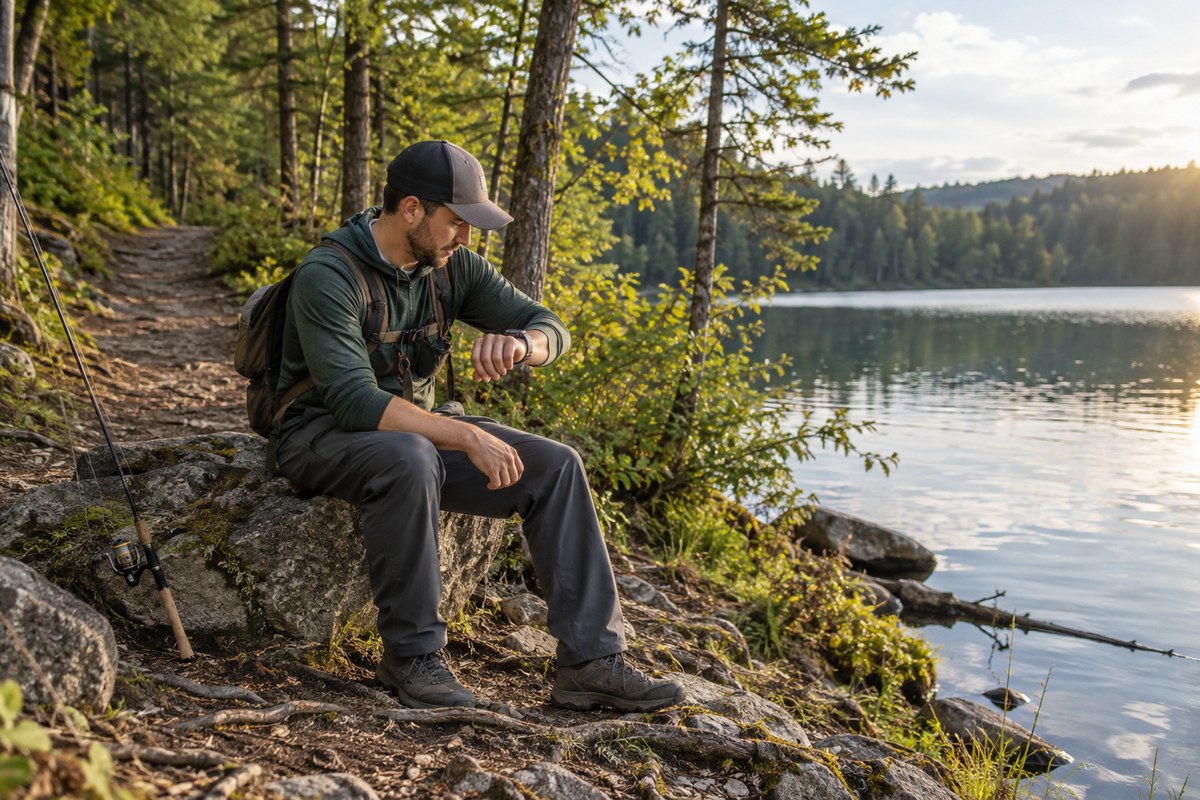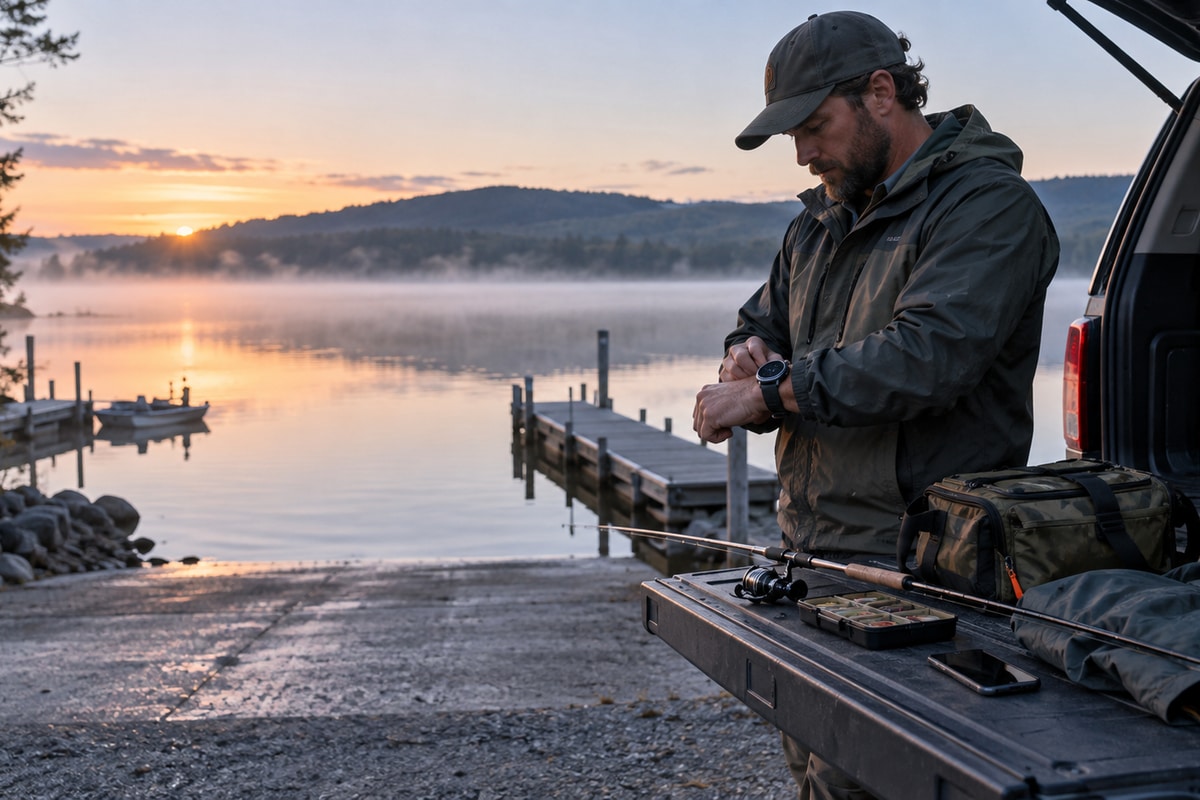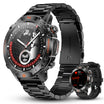
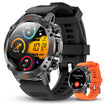
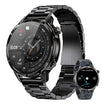
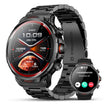


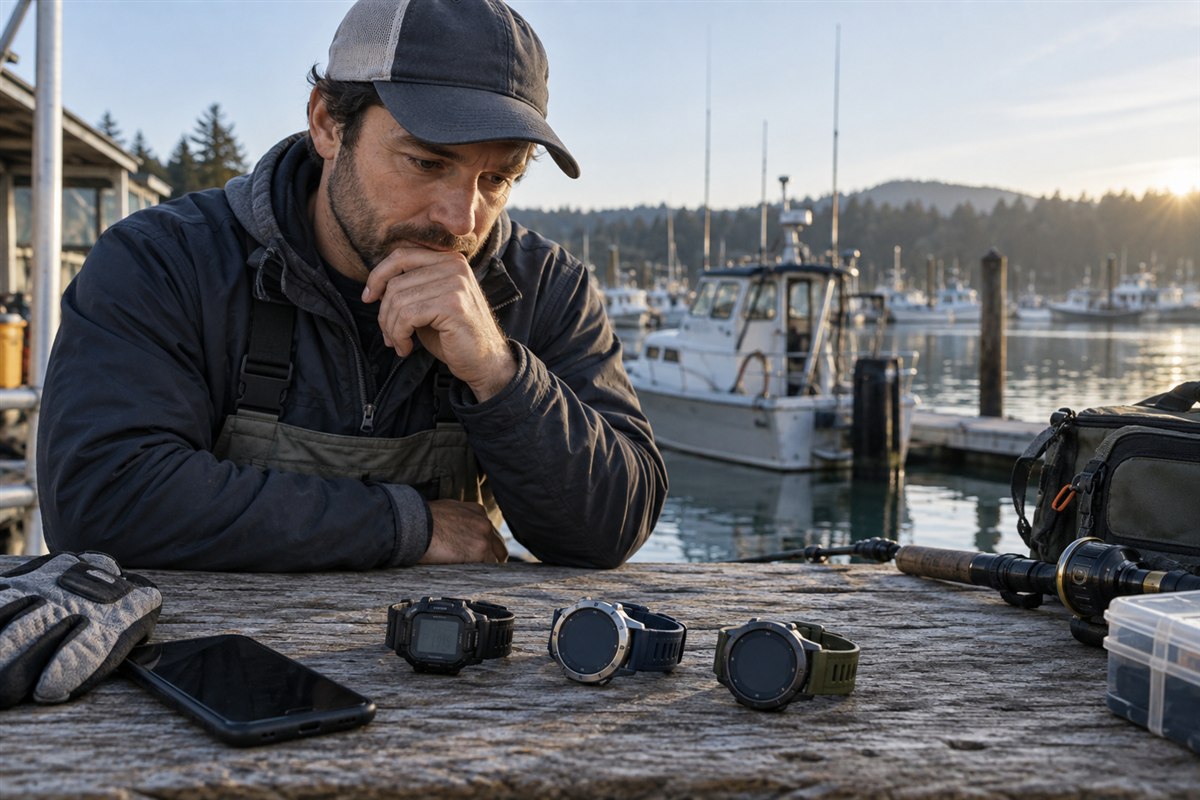
Quick verdict: choose Casio or G-SHOCK for simple tide or fishing-time reference, Garmin Quatix for a compatible marine ecosystem, COROS for supported fishing activities and logs, or a general GPS smartwatch for route recording and everyday outdoor use.
Key Takeaways
- Casio/G-SHOCK: simple, model-specific tide, moon or fishing-time tools.
- Garmin Quatix: premium marine functions with compatible Garmin equipment.
- COROS: fishing activities and logging on supported models.
- General GPS watch: route recording, ABC sensors and daily smart features.
1. First Separate the Four Types of Fishing Watch
“Fishing watch” is a broad search term. It can describe a durable digital watch with a tide graph, an expensive marine smartwatch connected to boat electronics, a sport watch with dedicated fishing activities, or a general GPS smartwatch worn while fishing. Comparing them as if every device should have the same features creates a misleading winner.
| Watch type | Primary job | Typical strength | Main tradeoff |
|---|---|---|---|
| Traditional fishing / tide watch | Quick time and model-specific tide or moon reference | Simple controls, durable construction, long-running designs | Limited maps, app depth or activity analysis |
| Marine smartwatch | Connect the wrist to navigation and compatible boat systems | Maps, waypoints, marine data and helm integration on supported setups | Higher cost and complexity; many benefits depend on an ecosystem |
| Fishing-focused sport watch | Record fishing sessions, catches, routes and environmental context | Dedicated activity modes and post-trip logging | Features vary by model, app and accessory compatibility |
| General outdoor GPS smartwatch | Route recording, time, ABC sensors and everyday connected use | Broad daily utility without a full marine system | No assumption of tide tables, fish logging or chartplotter control |
If your main question is more basic—GPS, water resistance, screen, controls and comfort—start with our fishing watch buying guide. The rest of this comparison focuses on specialized roles.
2. Casio and G-SHOCK: The Traditional Fishing-Watch Path
Casio's fishing-watch range varies by model. Tide graph, moon data, fishing-time indicators, solar charging, radio timekeeping, barometer and GPS are not universal. Check the exact model number and station setup. Treat displayed tide information as a reference, not a safety guarantee.

3. Garmin Quatix: The Connected Marine-System Path
Garmin describes the Quatix 8 as a marine GPS smartwatch. Supported models combine maps and navigation with boating apps and compatible Garmin marine equipment. That ecosystem can matter to a boat owner, but may be unnecessary for a bank angler. Quatix does not control every boat or replace the helm display.

Quatix belongs in a premium marine category, with more capability, setup and cost than a simple tide watch.
4. COROS: The Fishing-Activity and Logging Path
COROS documents fishing modes for NOMAD, VERTIX 2 and VERTIX 2S in its fishing activity guide. Supported devices can record routes, fishing time and environmental context. Model-specific tools differ, so confirm pins, maps, accessories and app requirements for the exact watch.
5. A General Outdoor GPS Smartwatch: The Simpler Path
Many anglers do not need a tide display, chartplotter integration or a fishing-specific activity mode. A general outdoor GPS smartwatch can still help with route recording, time, compass direction, elevation and pressure context, plus daily calls or notifications when connected to a phone. The value is broad usefulness across work, exercise, hiking and fishing.

This category requires the clearest boundaries. “Built-in GPS” does not automatically mean offline maps, saved fishing waypoints, turn-by-turn navigation, backtrack, chartplotter control or a fish finder. A barometer does not mean fish prediction. Connected weather does not replace official warnings. If you need those functions, verify them by name in the manual rather than assuming them from the word “outdoor.”
6. Compare the Capabilities That Change the Decision
| Capability | Traditional Casio/G-SHOCK path | Garmin Quatix path | COROS fishing path | General outdoor GPS path |
|---|---|---|---|---|
| Tide / moon display | Available on selected models; setup and data source vary | Marine and tide tools vary by model and configuration | Environmental/tide context on supported models and locations | Do not assume; use an authoritative app or source separately |
| GPS route recording | Not universal | Yes on current GPS models | Yes in supported fishing modes | Common on built-in-GPS models; verify route features |
| Fishing-session log | Usually limited | Waypoints and marine/navigation records depend on workflow | Core strength on supported devices | Usually a general activity record, not a catch journal |
| Boat electronics control | No general expectation | Major strength with compatible Garmin equipment | Not the defining role | No general expectation |
| Everyday smartwatch use | Varies; often simpler | Extensive premium smart, health and sport features | Sport, training and connected features vary by model | Usually the main balance of outdoor and daily functions |
7. Compare Total Ownership, Not Just the Watch
Count the whole system: watch, phone, app, maps, subscription, boat electronics and accessories. Then check what works offline and how much setup each trip requires. A feature you never configure has no practical value.
8. Which Type Fits Your Fishing Style?
| Your real use | Start with | Why | Do not assume |
|---|---|---|---|
| Surf, pier or inshore fishing; quick tide reference | Specific tide/fishing watch or phone app | Fast time and tide context may matter more than mapping | Every tide graph uses the best station automatically |
| Boat owner with compatible marine electronics | Garmin Quatix evaluation | Marine integration can reduce trips between wrist and helm | All boat functions work without compatible equipment |
| Angler who logs casts, catches and environmental context | Supported COROS fishing device | Dedicated modes and post-trip records fit the workflow | Every feature exists on every COROS model |
| Bank, pond, trail and everyday mixed use | General outdoor GPS smartwatch | Route recording and ABC tools may cover the practical need | GPS means maps, waypoints, SOS or fishing forecast |
| You dislike apps and charging | Simple durable digital or analog watch | Timekeeping may be the only job you need | A smartwatch is automatically the better choice |
9. What to Verify Before You Buy
- Name three actions. Check tide, record a route or log catches. Ignore unrelated features.
- Read the exact model manual. Brand-family pages mix different capabilities.
- Trace dependencies. Note every phone, app, subscription, map, chartplotter or accessory.
- Check coverage and fallback. Verify stations, maps and offline behavior; keep official safety sources separate.
10. Where WalkerFit Motion 6 GPS Fits
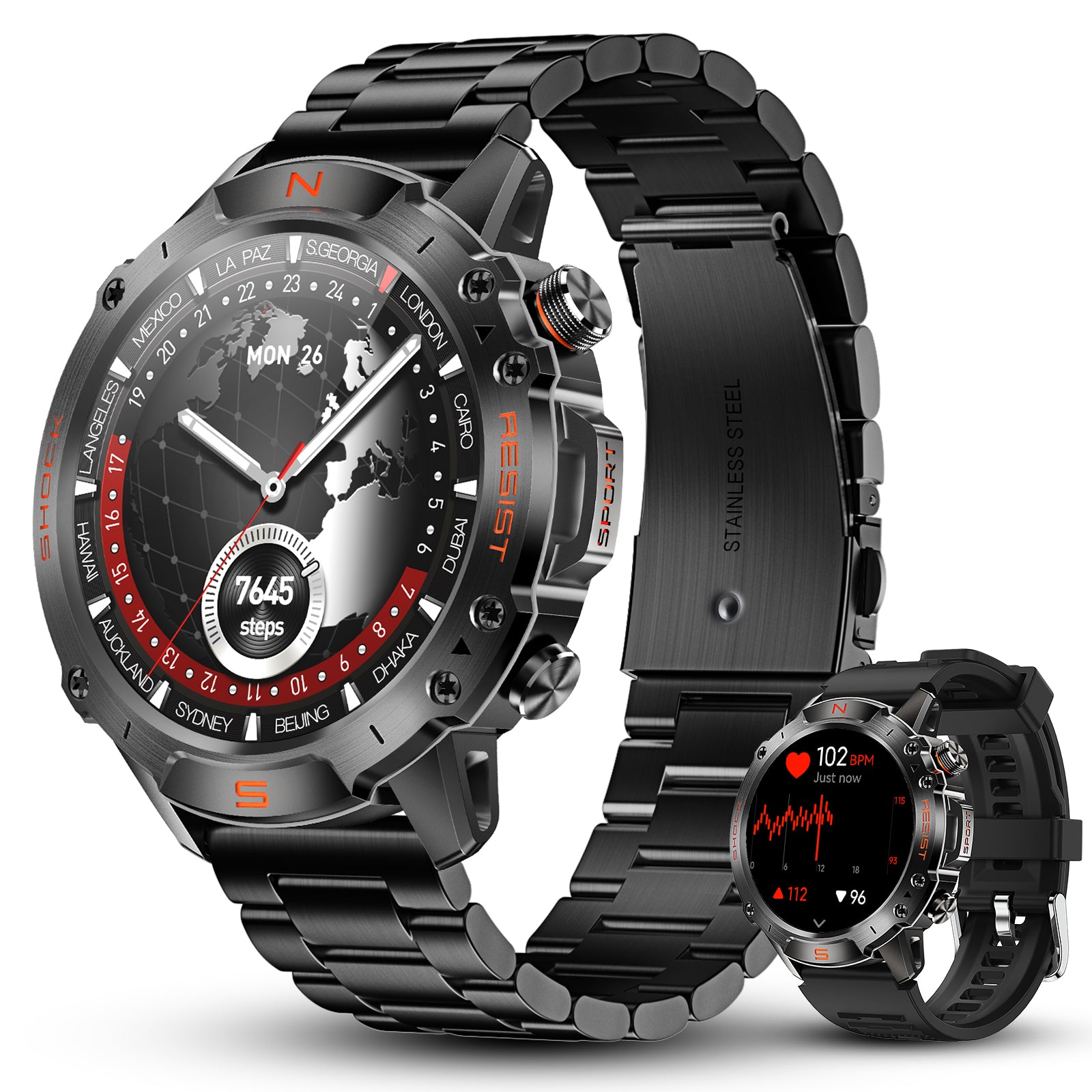
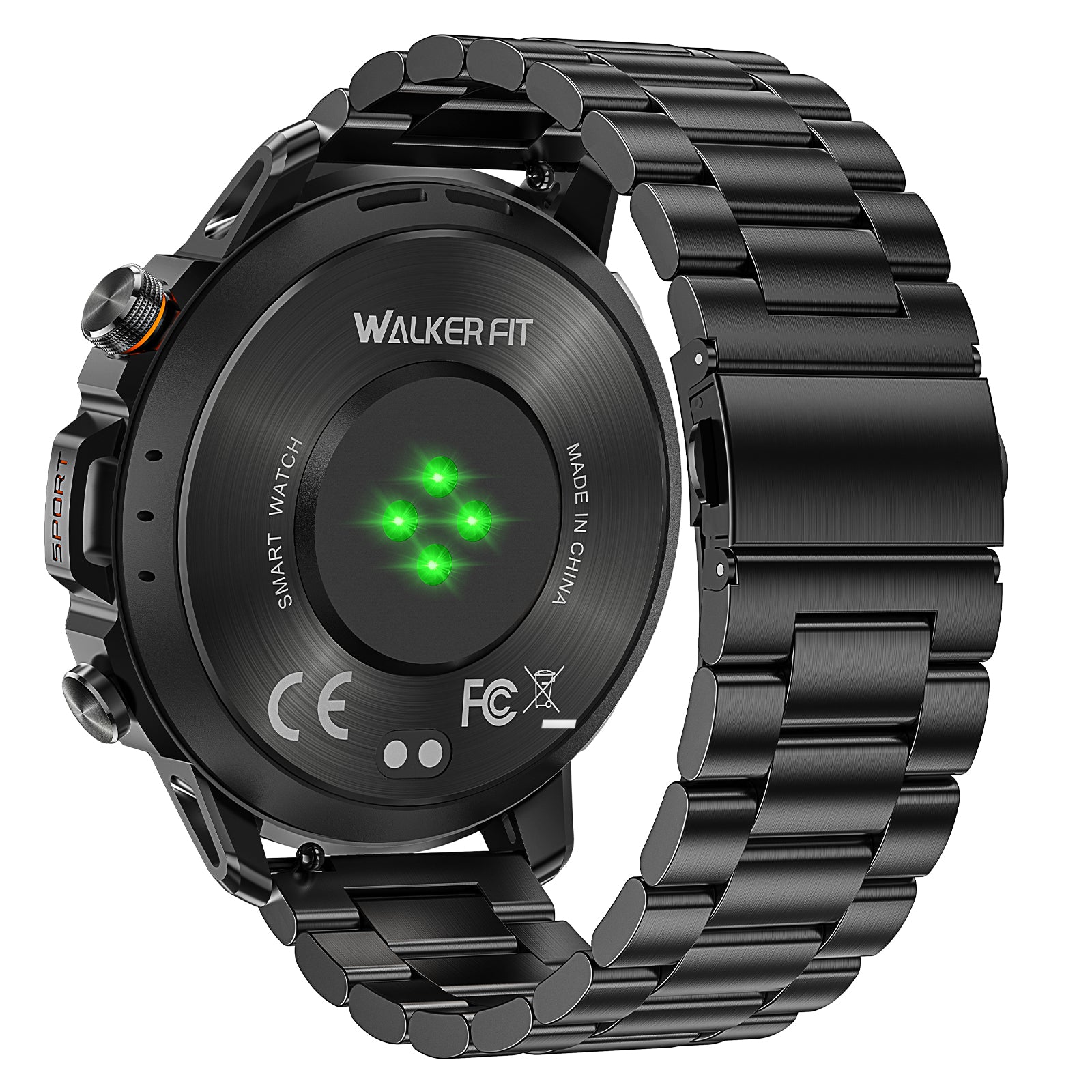
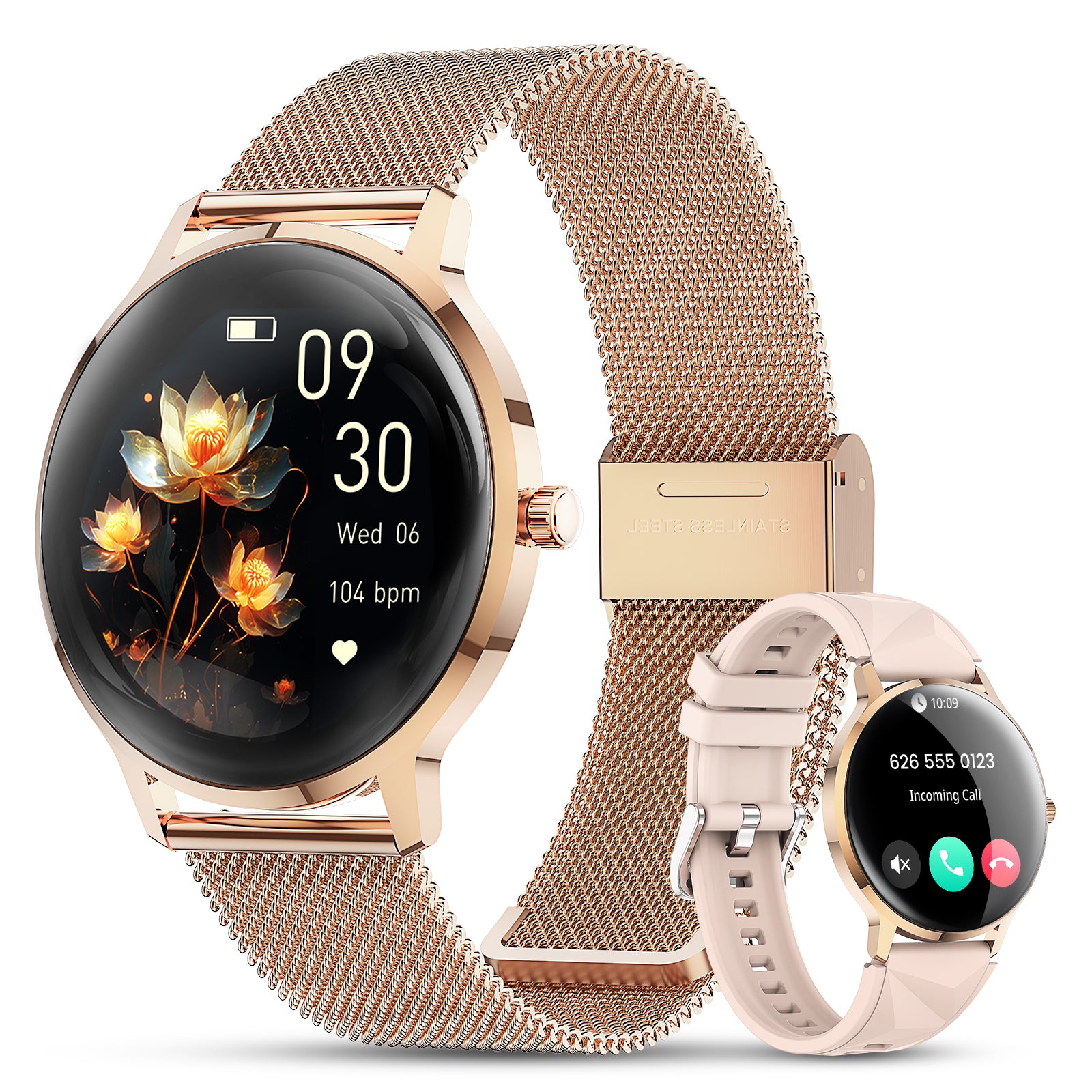
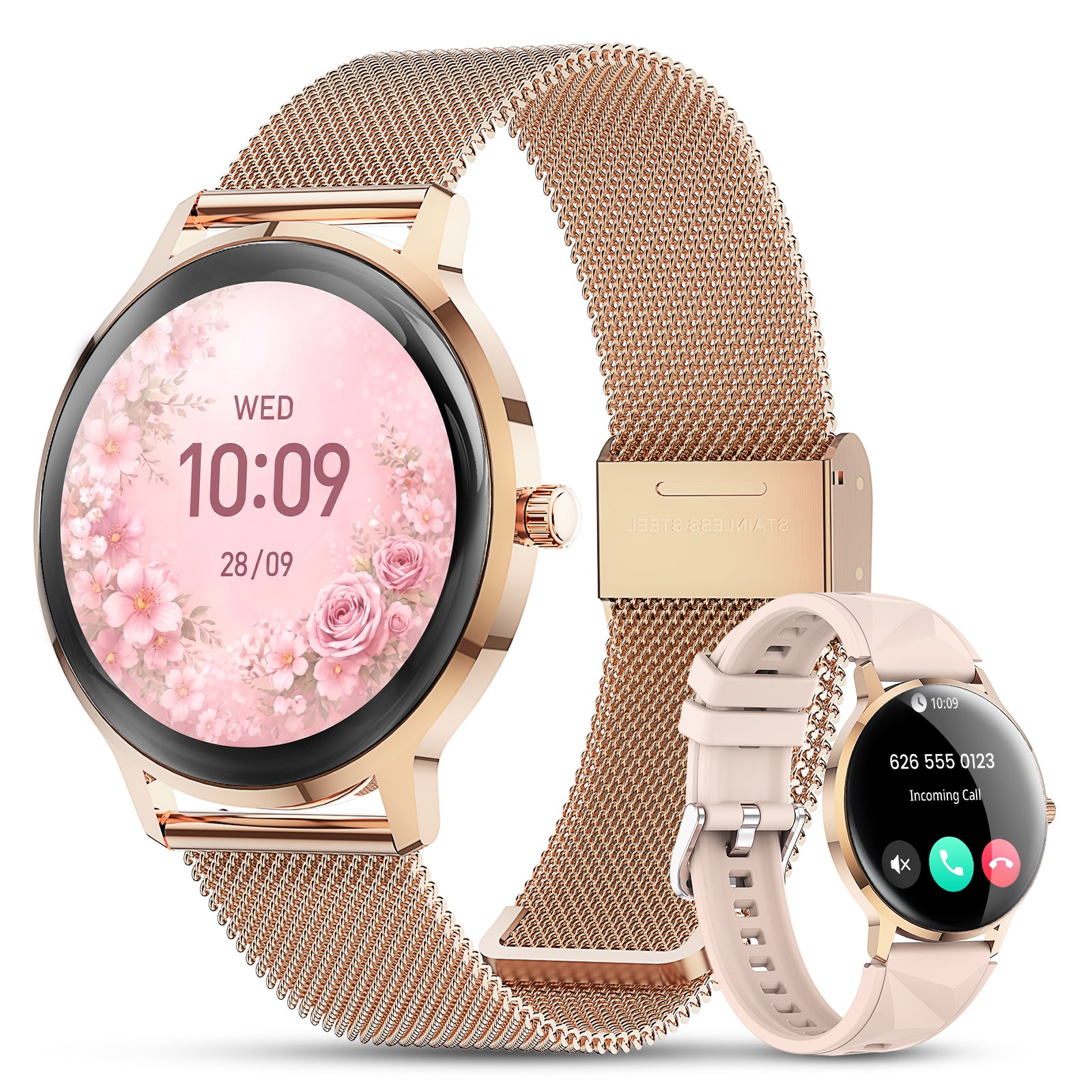
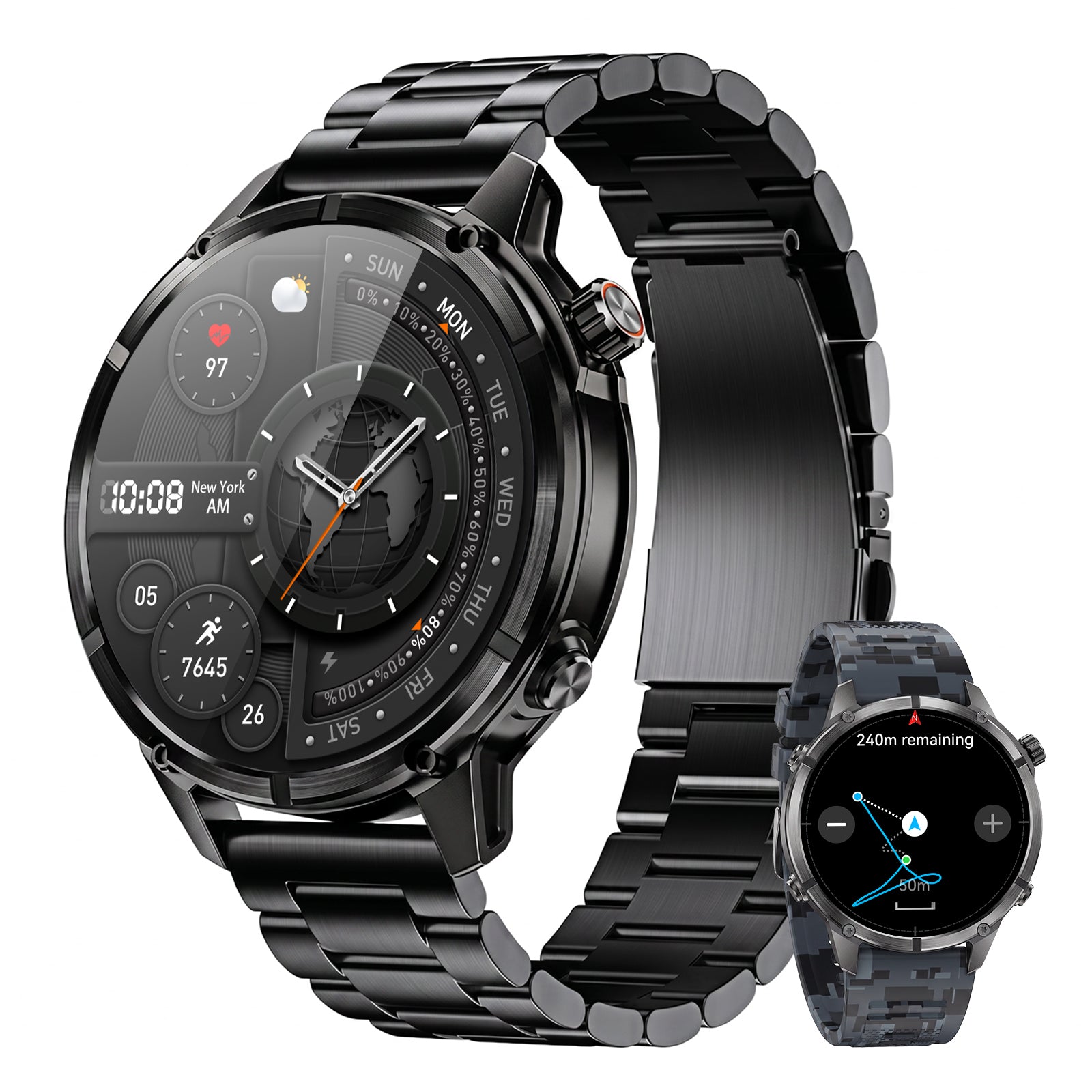
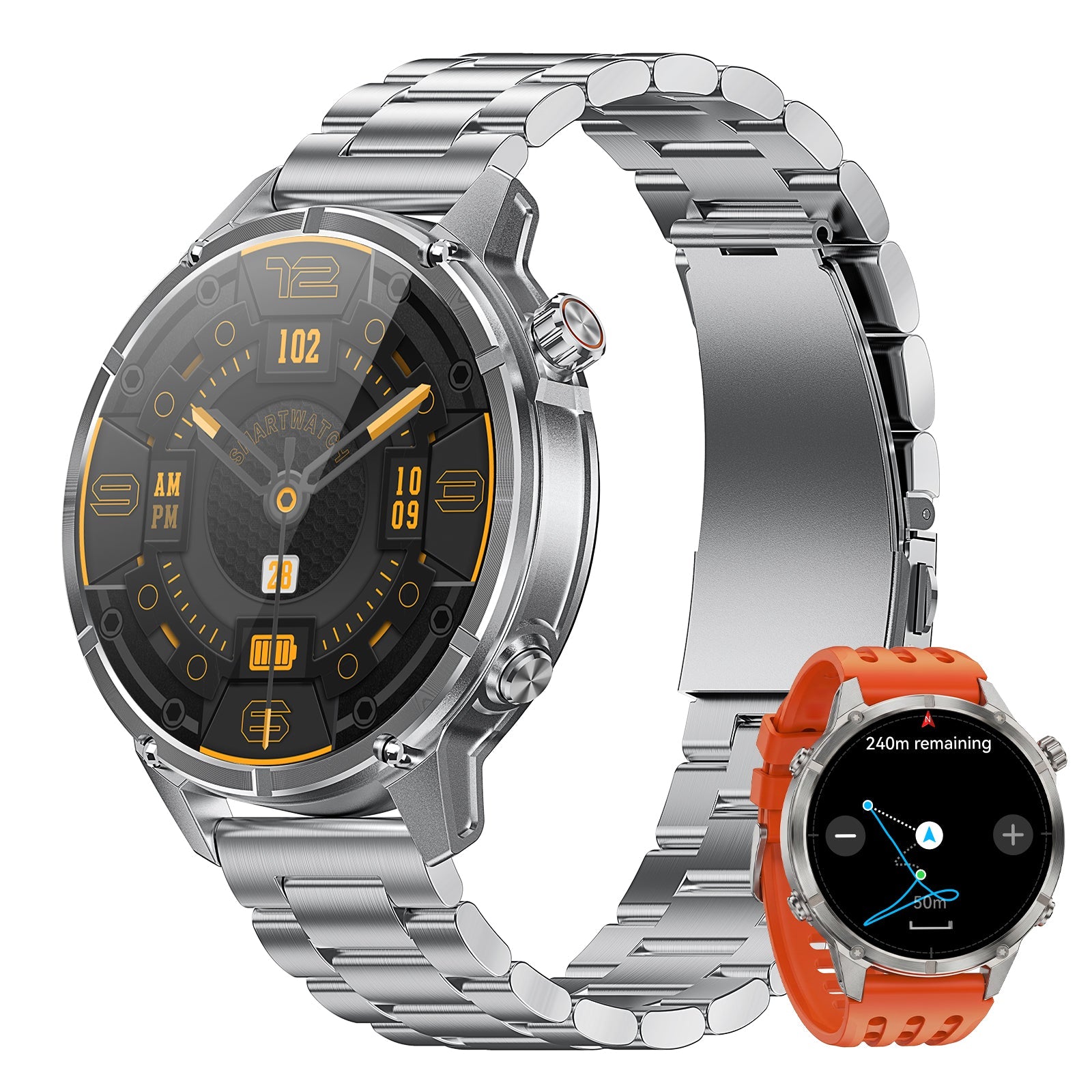
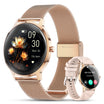
The WalkerFit Motion 6 GPS fits the general outdoor GPS category. It includes built-in multi-satellite GPS and route recording, compass, barometer and altimeter, a 1.43-inch AMOLED display rated up to 1,000 nits, four physical buttons and 5 ATM water resistance. It is the option to consider when those basics and everyday smartwatch use matter more than a connected marine system.
It should not be presented as a direct Quatix replacement for boat control, maps or marine integration, nor as a COROS fishing-log device or a Casio tide graph. This article does not claim a built-in tide table, solunar forecast, catch log, fishing mode, offline map, waypoint navigation, backtrack, fish finder or SOS.

Motion 6 GPS
Built-in multi-satellite GPS and route recording, plus compass, barometer, altimeter, 1.43-inch AMOLED display, four physical buttons and 5 ATM water resistance.
$129.90$162.38
Compare current WalkerFit models on the comparison page, browse outdoor watches, review 22 mm watch bands, or check the product and setup FAQs.
11. The Practical Verdict
Choose a Casio or G-SHOCK fishing model when simple, model-specific tide or moon reference and durable timekeeping are the priority. Choose Garmin Quatix when premium marine navigation and compatible boat-system integration justify the complexity. Choose a supported COROS device when fishing activities, catch logging and environmental records are central. Choose a general outdoor GPS smartwatch when you mainly need route recording, ABC sensors and daily smart features.
The honest comparison is not “which brand wins?” It is “which system matches the work I will actually do?” Once that answer is clear, the expensive or specialized features you do not need become easier to remove.
Frequently Asked Questions
Q1: Is a Casio fishing watch better than a smartwatch?
It is better for anglers who prioritize simple timekeeping and model-specific tide, moon or fishing-time displays. A smartwatch is better when GPS activities, notifications, maps or detailed logs matter. Check the exact model.
Q2: Do all G-SHOCK fishing watches show tides?
No. Tide graph, moon data, fishing time, GPS and barometer availability vary by model. Confirm the model number and manual before buying.
Q3: Do I need Garmin Quatix for boat fishing?
Not necessarily. Quatix is most compelling for boaters who value its navigation and compatible Garmin marine integration. Basic time, GPS recording or weather checks can be handled by simpler devices and official sources.
Q4: Which COROS watches have fishing modes?
COROS currently documents fishing modes for NOMAD, VERTIX 2 and VERTIX 2S. Individual tools such as Voice Pins or accessory support can vary, so check current model documentation.
Q5: Can a fishing watch replace a fish finder?
No general watch should be assumed to show underwater fish or structure. Some ecosystems use separate compatible sensors, but that is different from a watch working as a fish finder by itself.
Q6: Is a tide graph enough for safe coastal fishing?
No. Use the correct station and also check current, weather, waves, warnings, access and local conditions. A tide graph is one input, not a complete safety plan.
Q7: Is Motion 6 GPS a fishing watch?
It is a general outdoor GPS smartwatch that can support fishing trips with route recording, compass, barometer, altimeter and daily smart features. This article does not claim specialized fishing, tide or marine-control functions.