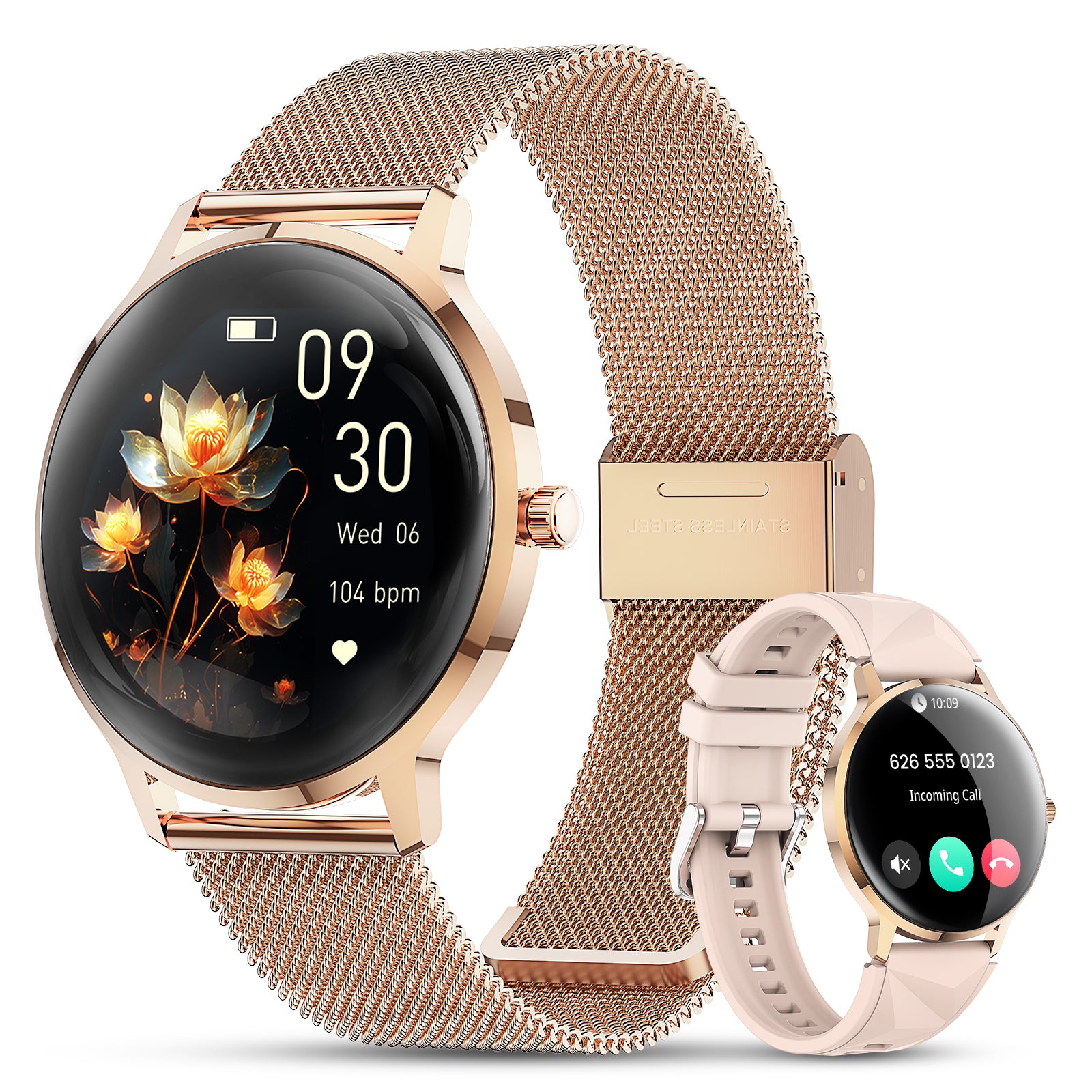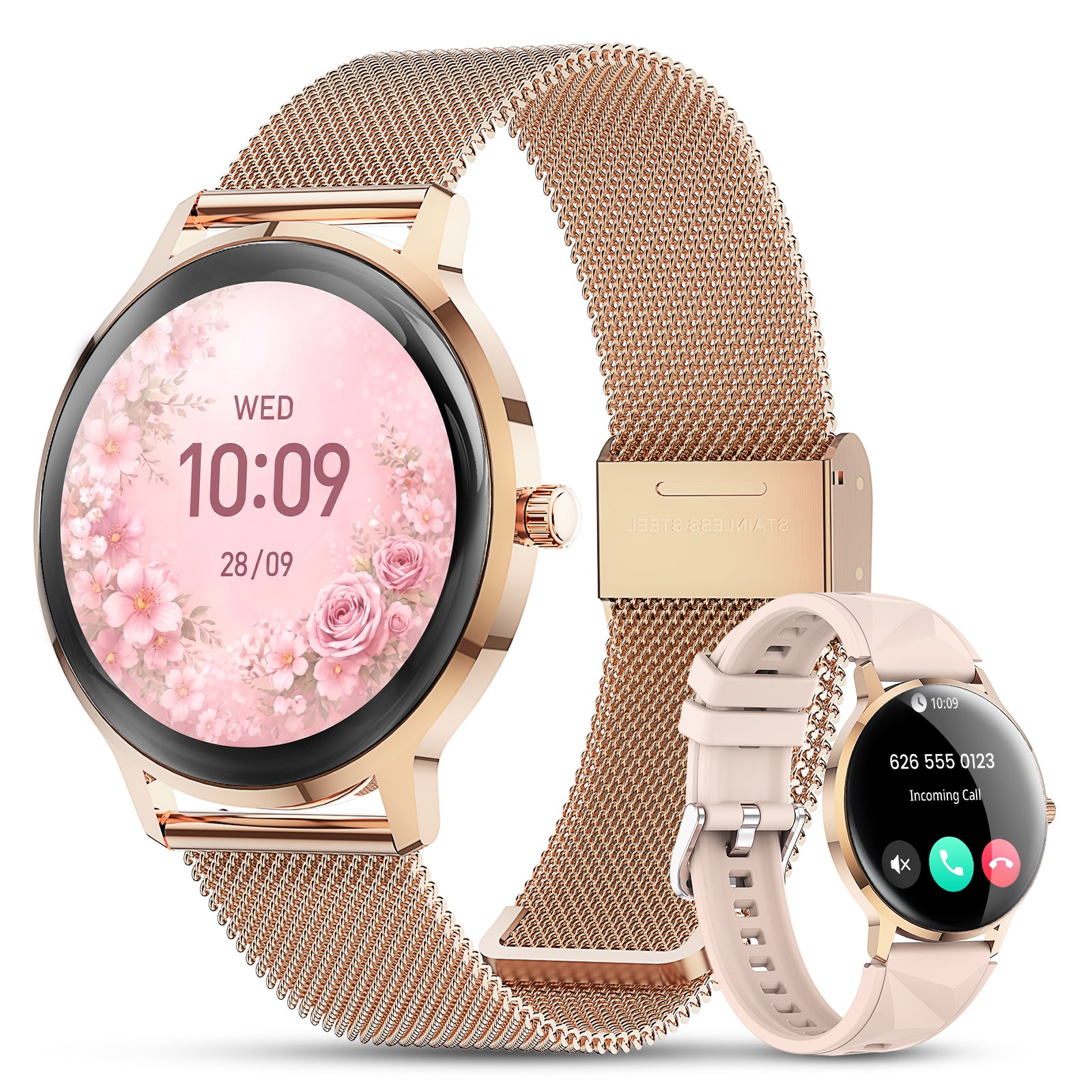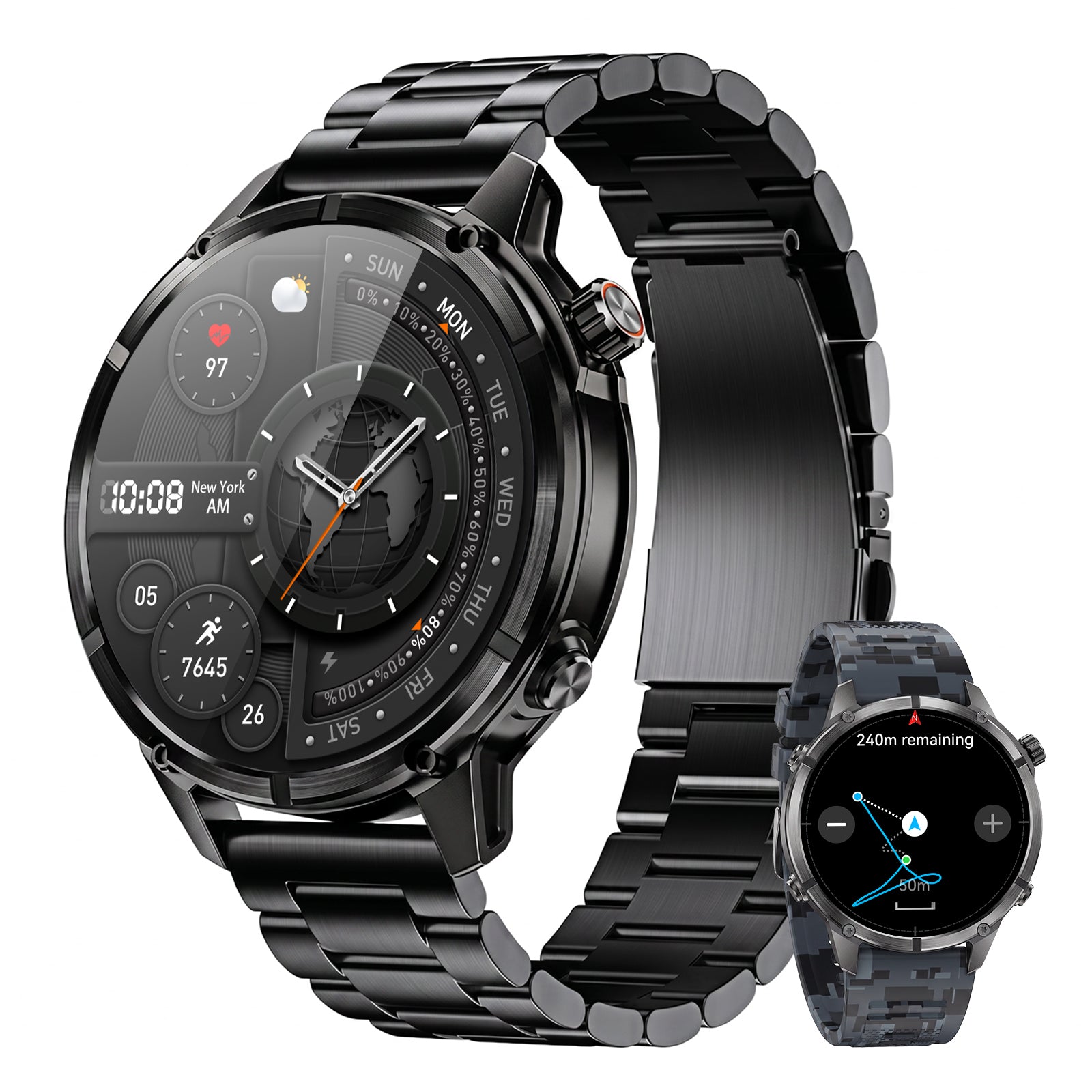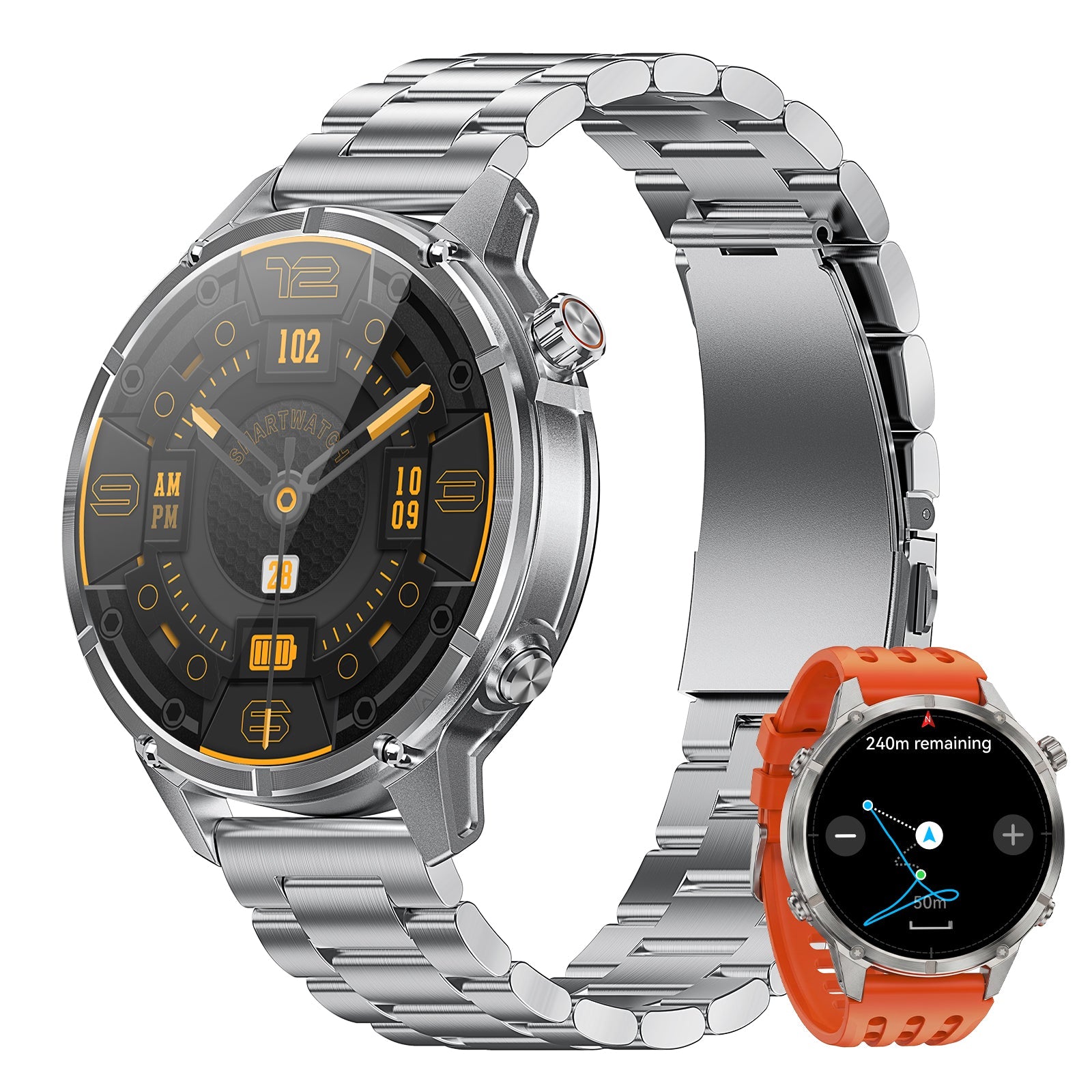
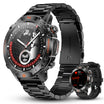
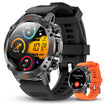
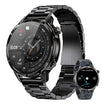
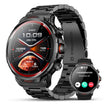


What Is a Fishing Watch—and Which Type Do You Need?
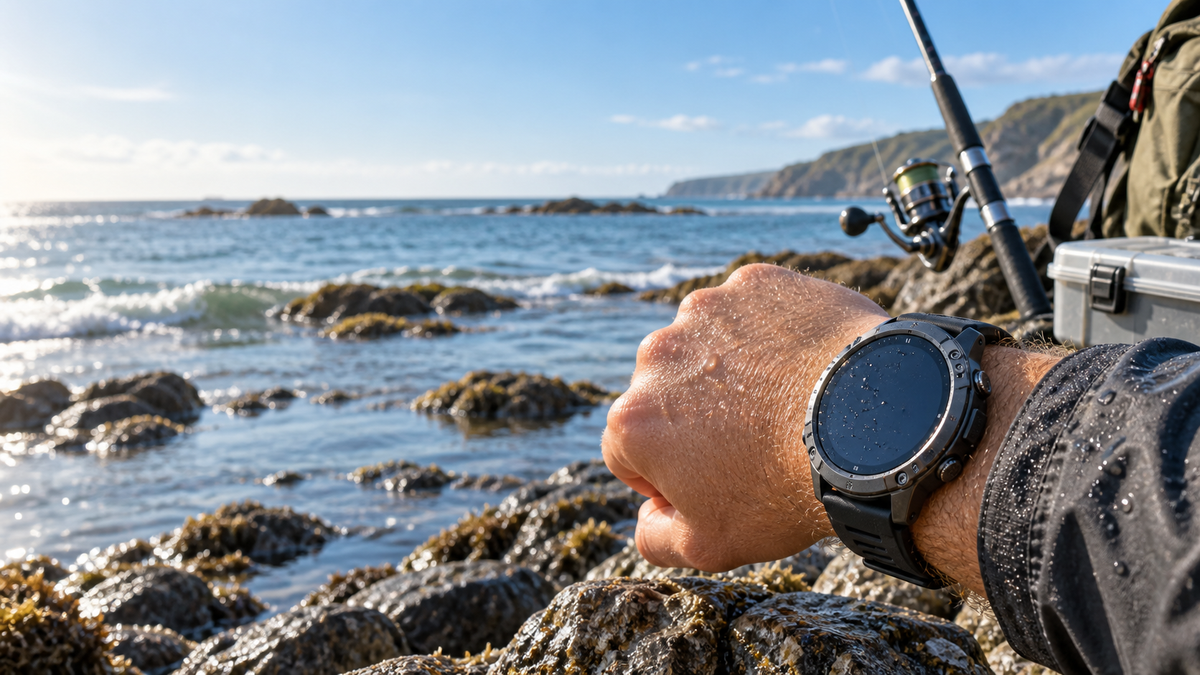
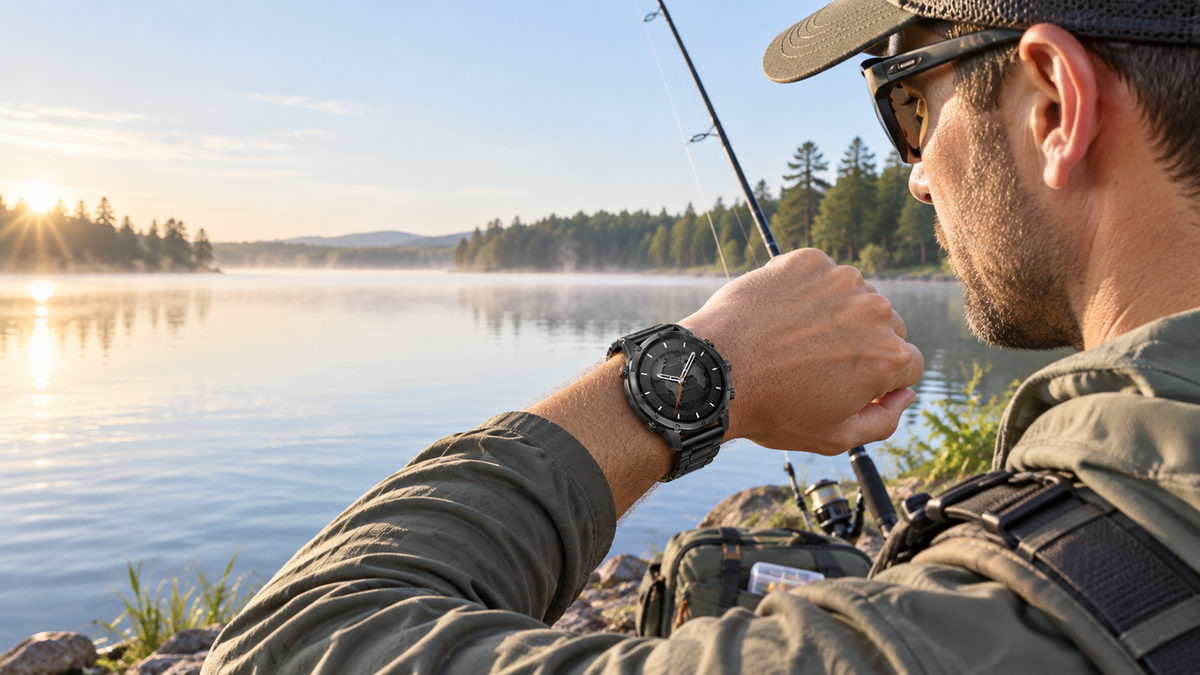
A fishing watch is any watch chosen to solve a real problem before, during or after a fishing trip. For one angler, that may mean checking the time and tide without touching a phone. For another, it means recording a GPS route to a remote bank, watching barometric pressure change, or using a bright screen with wet hands. The label covers several very different products, so the “best fishing watch” is not automatically the model with the longest feature list.
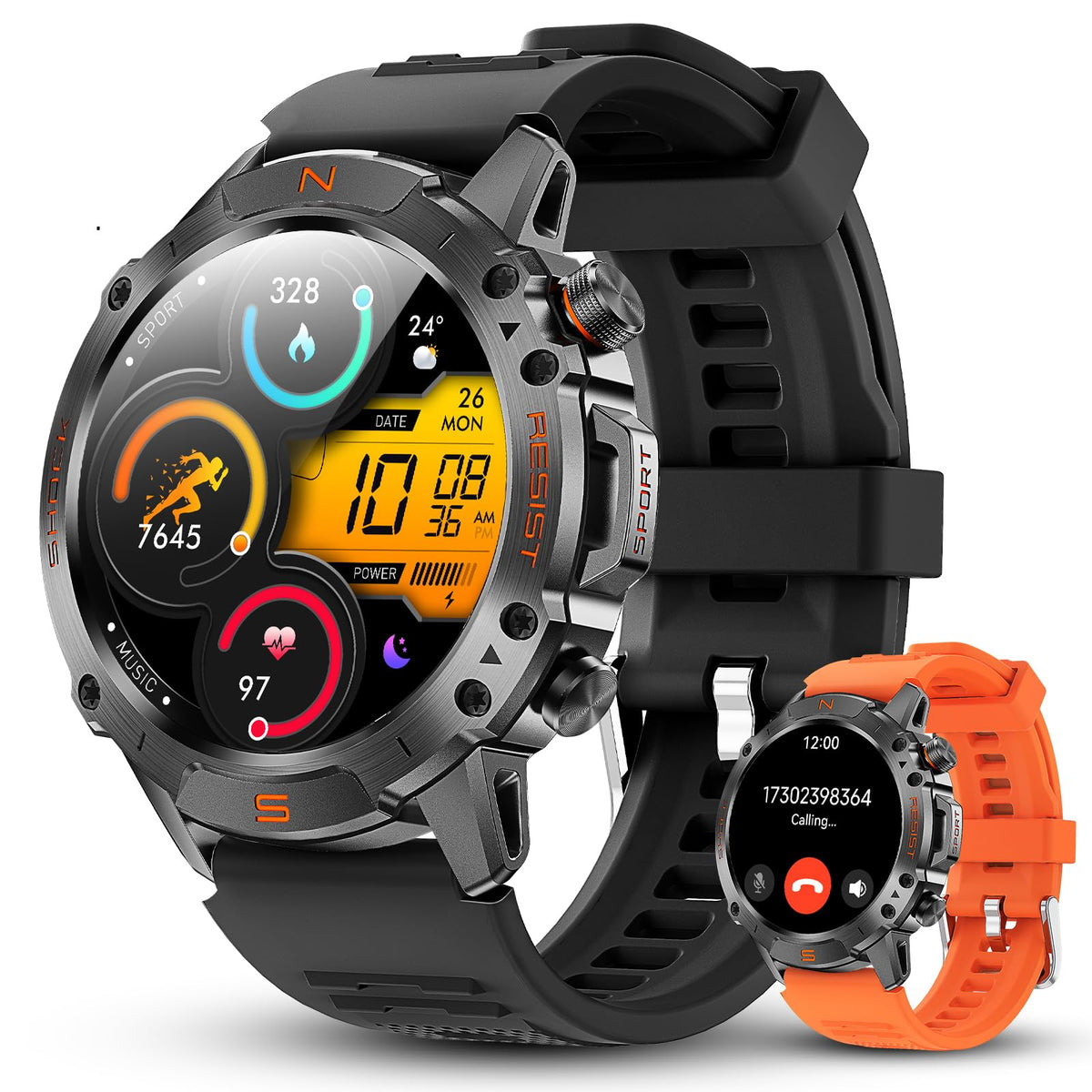
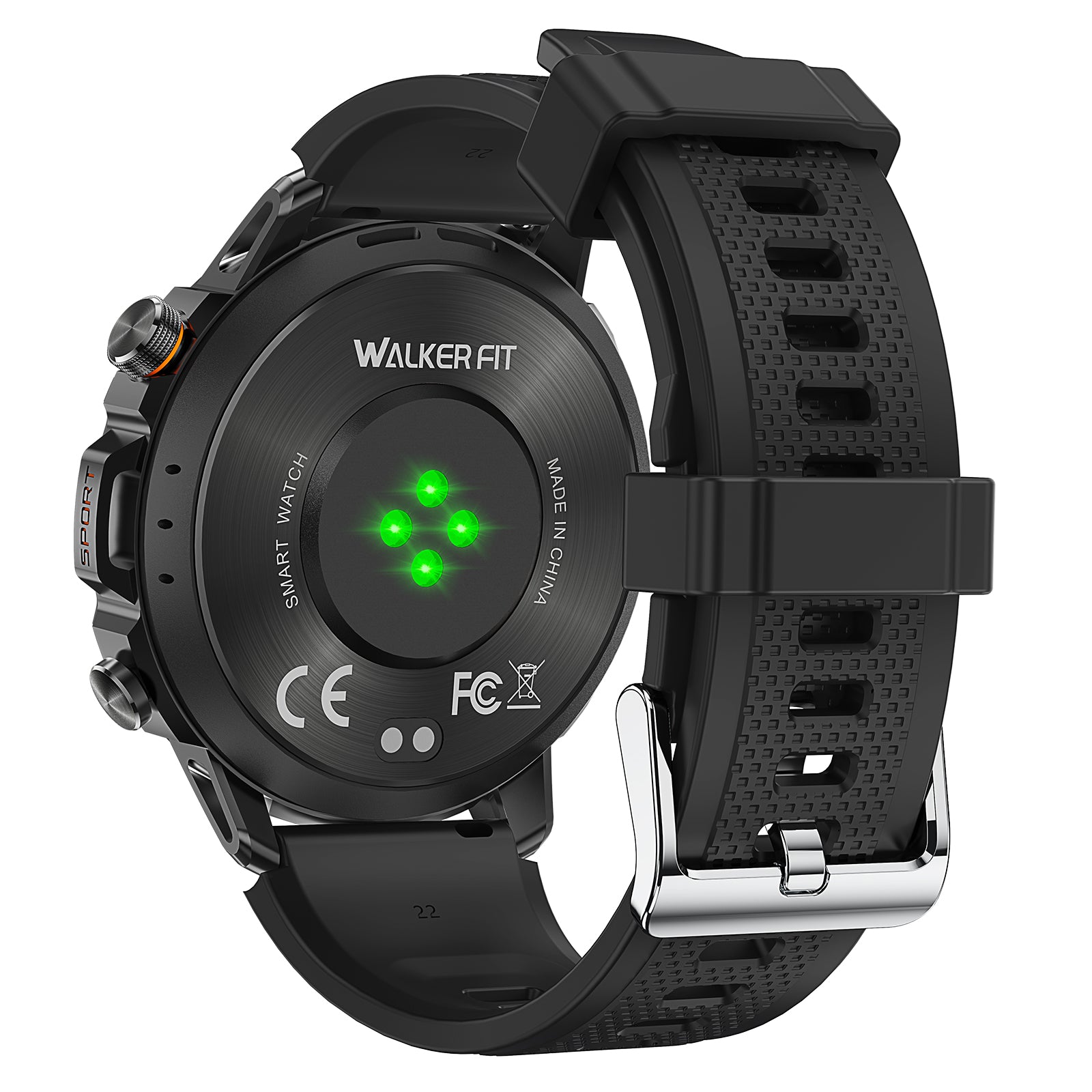
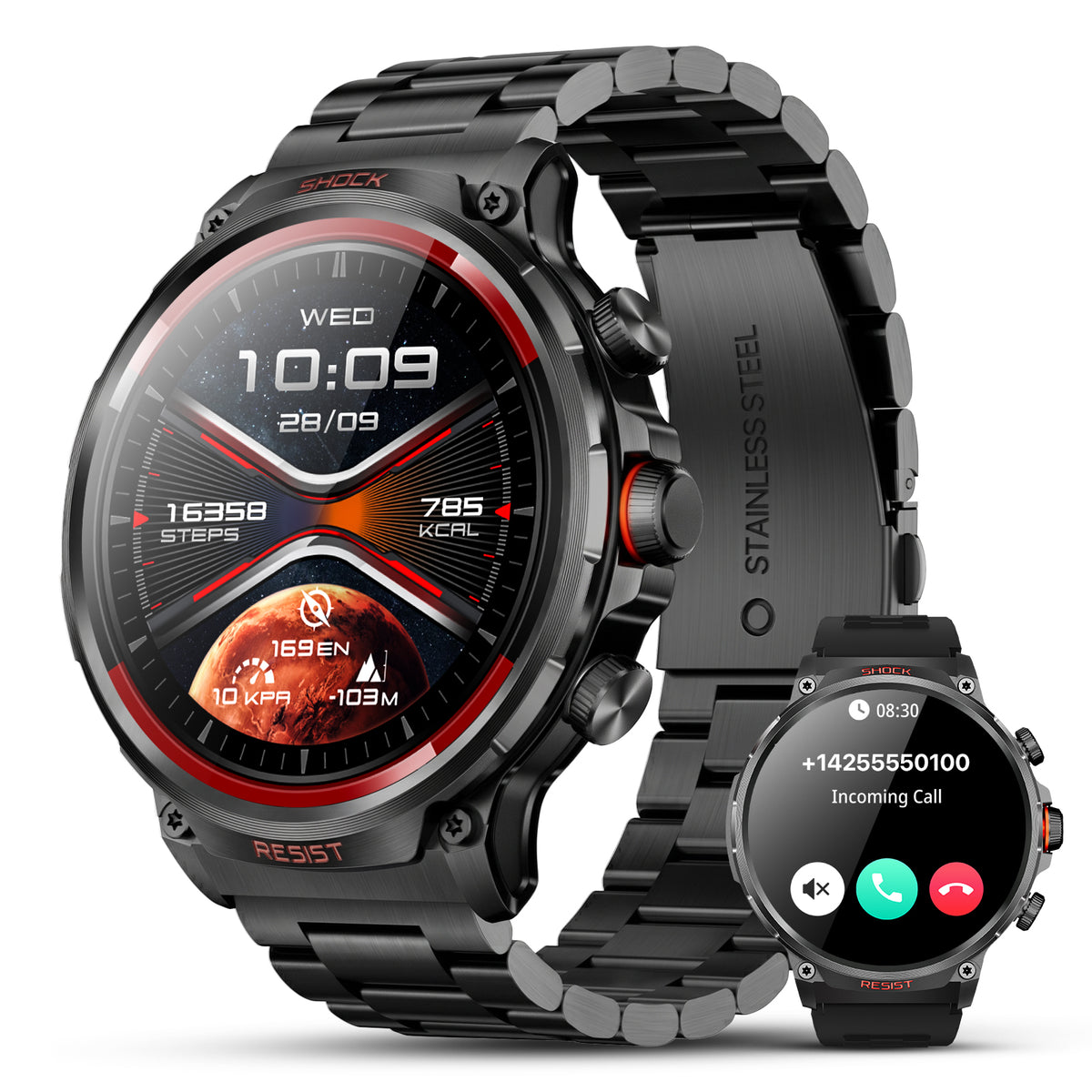
The useful first question is simple: What do you need the watch to do while you are fishing? A traditional digital fishing watch can be durable, simple and easy to leave on all day. A tide watch may prioritize tide and moon information. A GPS smartwatch adds location-based activity records, notifications and broader outdoor tools. A premium fishing-focused smartwatch may add specialist planning and logging tools. Those categories overlap, but they are not interchangeable. If you already know you want a smartwatch, you can also browse WalkerFit outdoor watches while using this guide as your checklist.
Choose a simple fishing or tide watch if…
- You mainly want time, tide or moon information.
- You prefer long battery life and minimal setup.
- You do not need activity syncing or route records.
Choose a fishing smartwatch if…
- You hike, paddle or move between fishing spots.
- You want GPS tracks and outdoor sensor data.
- You also want everyday health and phone features.
Expert Insights: Key Takeaways
- Start with your fishing environment and the task you want to complete. “Fishing watch” is a use case, not one fixed product category.
- Water resistance, readable controls and realistic battery life matter on nearly every trip. GPS, barometer, tide data and catch logging depend on how and where you fish.
- Do not assume every GPS watch includes maps, every barometer predicts fish activity, or every fishing watch shows tides. Check each capability separately.

The 7 Features That Matter in a Fishing Watch
Marketing pages often mix practical outdoor features with specialist fishing tools. Use the seven checks below to separate what will help on your trips from what only sounds impressive.
1. Water Resistance That Matches Your Actual Exposure
Rain, spray, wet line and accidental splashes are normal around water. Start by checking the watch’s stated water-resistance rating and the manufacturer’s permitted uses. A rating such as 5 ATM describes a tested pressure level, but it does not automatically mean the watch is suitable for saltwater, diving, high-speed water sports or every type of swimming.
Also check the care instructions. Salt, sand and residue can remain around buttons, charging contacts and seals. If your trips involve surf, wading or a kayak, the written use limits matter more than a product photo showing water.
2. GPS for Routes, Distance and Trip Records
Built-in GPS is useful when the fishing spot is part of a longer outdoor route. It can record where you walked, paddled or traveled and add distance and pace to an activity record. It also lets the watch collect location data without borrowing the phone’s GPS during the activity.
GPS alone does not promise offline maps, turn-by-turn navigation, saved fishing spots, a back-to-start function or an emergency locator. Those are separate software features. If you need to navigate in unfamiliar backcountry, check whether the exact watch supports maps and route guidance, and continue carrying an appropriate backup.
3. A Barometer for Pressure Trends, Not Bite Guarantees
Anglers often watch barometric pressure because changing weather can affect how they plan a session. A wrist barometer makes the trend easier to check without repeatedly opening a phone. The useful signal is usually the direction and speed of change over time, together with wind, temperature, cloud cover and what you observe on the water.
A barometer cannot tell you with certainty when fish will bite. Pressure readings can also shift with elevation, and wrist devices may need calibration or time to settle. Treat barometric data as one piece of trip context, not a prediction engine.
4. A Screen and Controls You Can Read Outdoors
Outdoor readability depends on more than the screen technology. Check brightness, contrast, text size, glare and whether key information is visible at a glance. Peak brightness can help in strong light, while large data fields reduce the time you spend staring at the screen.
Physical buttons are useful when fingers are wet, cold or covered. A touchscreen may still be convenient for daily use, but the watch should let you start, pause or exit the main outdoor activity without a long series of precise taps.
5. Battery Life Stated for the Mode You Will Use
Smartwatch battery life and continuous GPS battery life are different measurements. A watch may last many days in ordinary use while lasting a day or less with GPS running continuously. Always compare the battery figure for the mode that matches your trip.
For a half-day bank session, almost any modern outdoor watch may be enough. Multi-day camping, long kayak routes and backcountry access put more pressure on GPS endurance. Display settings, notifications, signal conditions and sensor use can all reduce real-world runtime.
6. Phone and App Dependence
Some fishing information lives on the watch. Other information comes from a paired phone or app. Weather updates, tide predictions, maps and synced notifications may need a phone connection, a recent data sync or a separate service. Check what still works when your phone has no signal or stays in a dry bag.
This is also where a smartwatch can earn its place. A watch can show a message, control the phone camera or keep basic activity data on your wrist. It should reduce how often you handle the phone around water, even if it does not replace the phone completely.
7. Comfort, Strap Security and Everyday Use
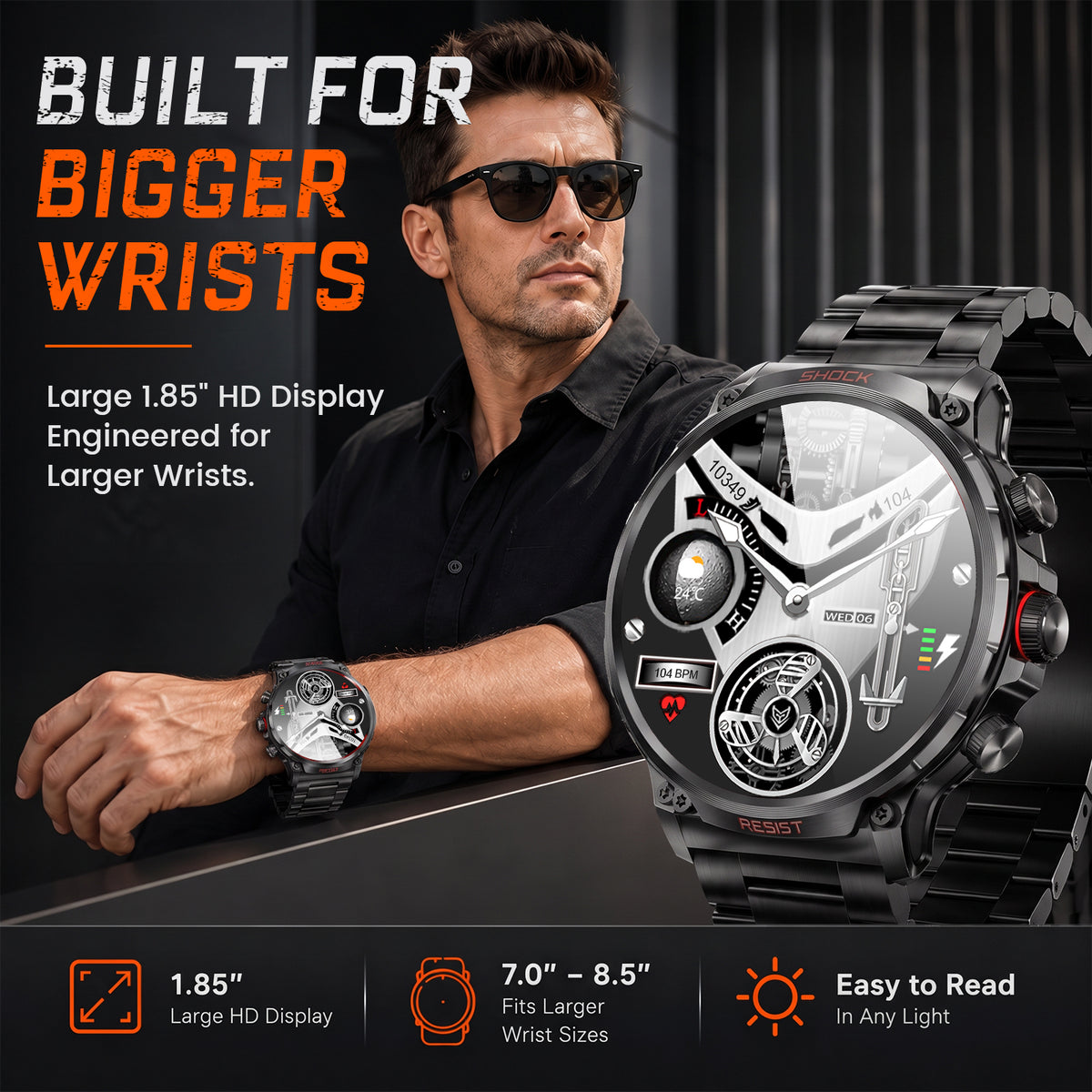
A fishing watch is only useful if it stays comfortable through casting, paddling and hours of wear. Check case size, weight, button position and strap fit. A standard quick-release strap size makes replacement easier, but the strap still needs to stay secure when wet.
Think beyond the fishing trip too. If the same watch handles walking, running, sleep tracking and notifications, you may wear it often enough to keep it charged and familiar. A specialist watch can offer deeper fishing tools, while a general outdoor smartwatch may deliver more value across the rest of the week.

Choose the Best Watch for How You Fish
The same watch can be a good choice for one angler and unnecessary for another. Match the product type to the environment first.
| Fishing style | Prioritize | Useful extras | What may be unnecessary |
|---|---|---|---|
| Bank or pier fishing | Readability, comfort, weather awareness | Barometer, notifications, long everyday battery | Advanced maps if access is simple |
| Kayak fishing | Secure fit, physical controls, suitable water rating | GPS track, compass, long GPS runtime | Heavy metal straps or touch-only controls |
| Backcountry fishing | GPS endurance, route tools, compass | Barometer, altimeter, sunrise/sunset | Phone-dependent features with no offline value |
| Coastal or tide-led fishing | Reliable local tide information and water-use limits | Moon data, weather context | A generic smartwatch that has no tide source |
| Boat fishing | Readable alerts, comfort, battery | Connected marine or catch-log tools | Expecting a watch to replace sonar |
Dedicated fishing platforms can go much further. For example, COROS describes fishing modes, catch logging, environmental data and route tools for its fishing ecosystem. That depth may appeal to anglers who want a detailed digital journal. It also shows why shoppers should compare named features rather than assume every “fishing smartwatch” offers the same software.
A tide-focused digital watch can be the better answer when tide information is the main requirement and fitness tracking is not important. A general GPS smartwatch makes more sense when fishing shares space with hiking, paddling, workouts and daily health tracking.
Fishing Watch vs Phone vs Fish Finder
A watch is easy to glance at and hard to drop overboard. A phone has a larger screen, broader app choice and easier access to detailed forecasts. A fish finder uses sonar and purpose-built marine hardware to show what is happening below the water. They solve different problems.
Do not buy a smartwatch expecting sonar
Built-in GPS tells the watch where it is. It does not detect fish, measure underwater depth or create sonar images. Some specialist systems can connect to external sensors, but the sensor—not the watch alone—collects that underwater data.
A practical setup may use all three at different times: the phone for planning, the watch for quick checks and route recording, and a fish finder on a boat when underwater structure matters. If you want to handle the phone less often, prioritize the few watch functions you will actually check during the session.
Where the WalkerFit Motion 6 GPS Fits
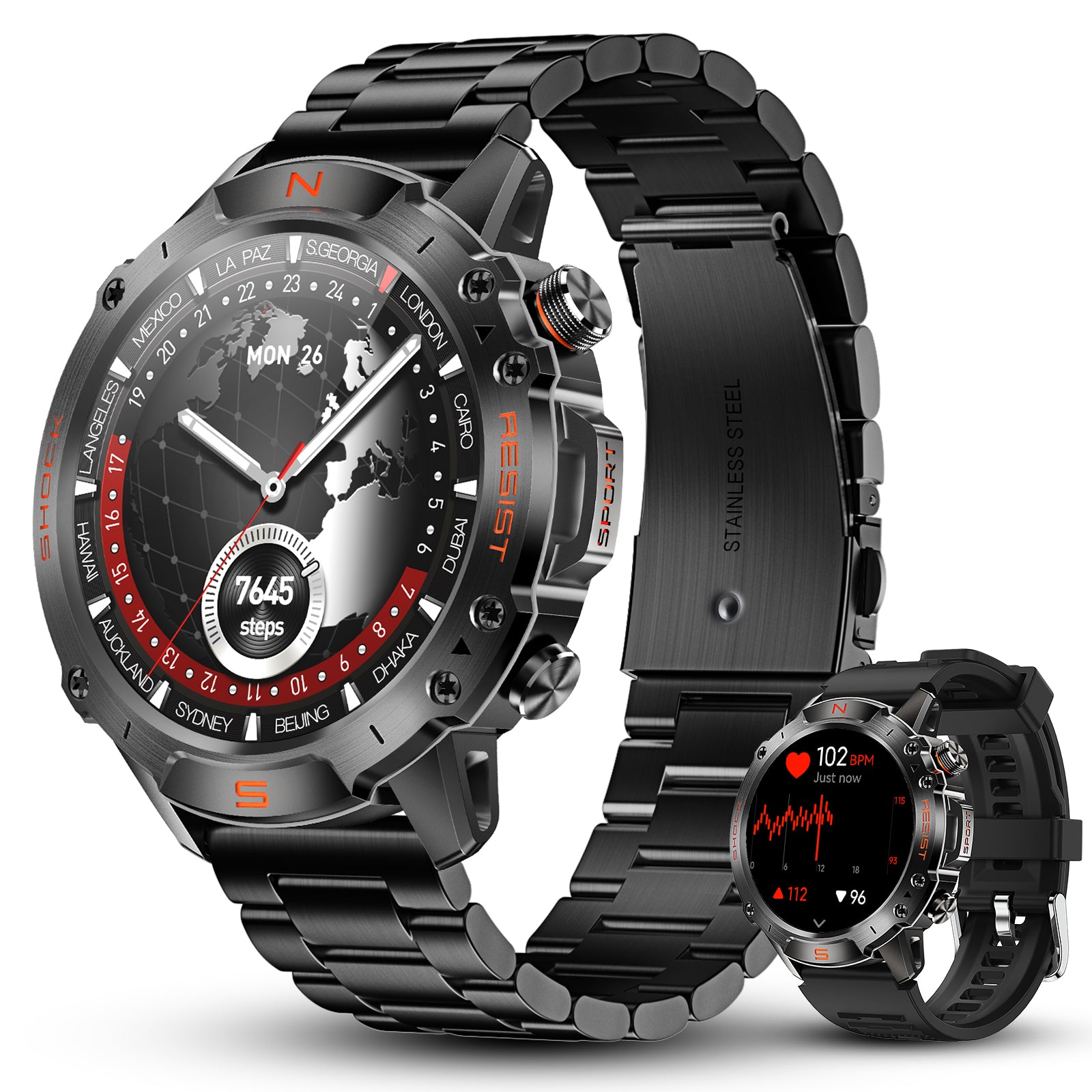
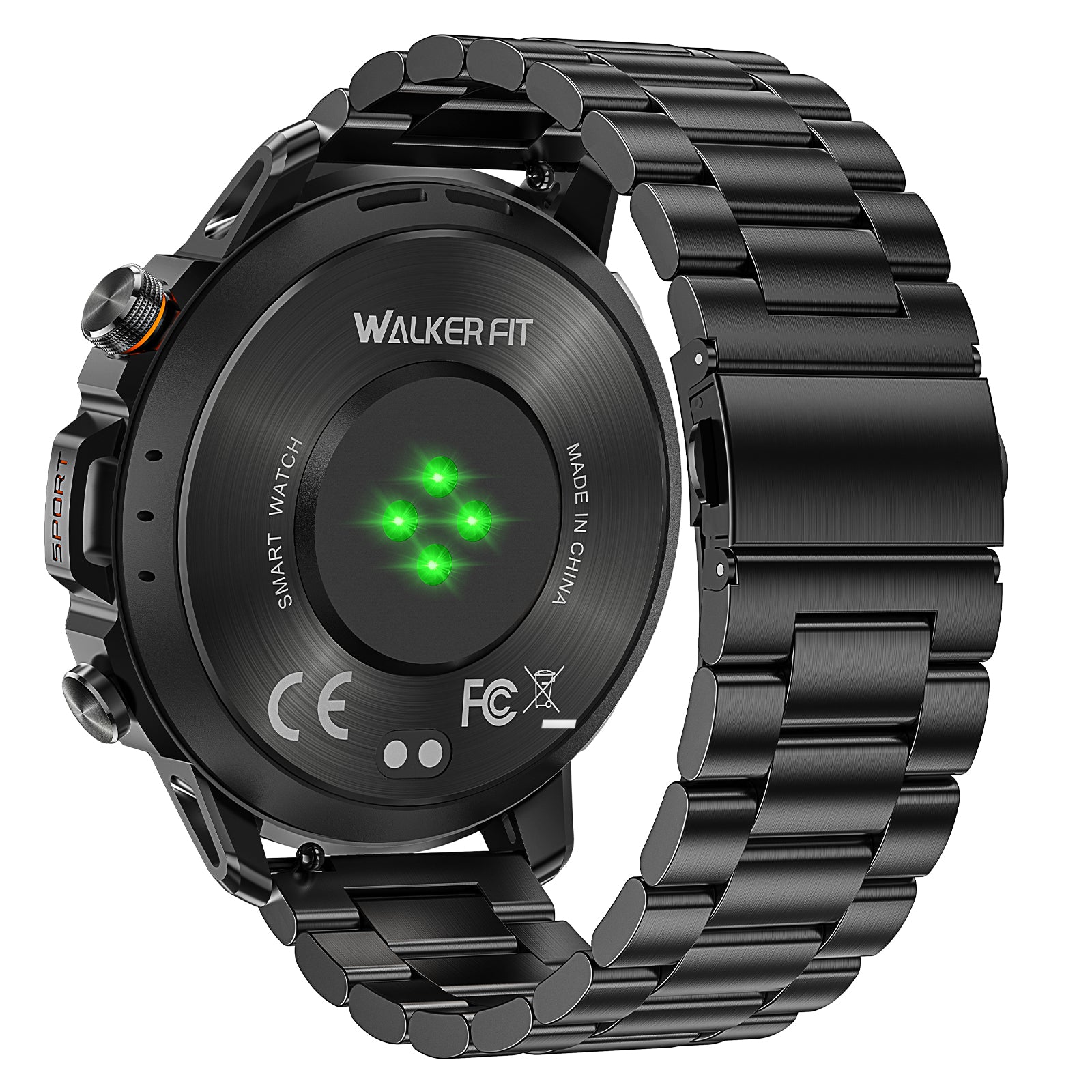
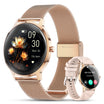
The WalkerFit Motion 6 GPS is a general outdoor GPS smartwatch with features that can support fishing trips. It is best considered by anglers who also want location-based activity records, outdoor sensors and everyday smartwatch functions.
Motion 6 GPS: relevant features for anglers
Built-in GPS plus Galileo, GLONASS, BeiDou, QZSS and NavIC support; route recording
Barometer, altimeter and compass
1.43-inch AMOLED, 466 × 466, up to 1,000 nits
5 ATM
Up to 14–15 days in typical use; 20–24 hours of continuous GPS use
Four physical buttons; syncs with GloryFit Pro
The barometer adds pressure information to the GPS, compass and altimeter toolset. Use those readings as context for the day rather than as a promise of fishing success. The 1.43-inch AMOLED display reaches up to 1,000 nits, while four physical buttons give you more ways to operate the watch when a touchscreen is inconvenient.
That makes Motion 6 GPS a practical candidate for anglers who want one watch for outdoor activity and everyday use. Compare the confirmed specifications with your own checklist, especially the length of your trips, the conditions around the water and the phone features you expect to use.
Set Up Your Fishing Smartwatch Before You Go
A useful fishing watch should be ready before you reach the bank or launch. Five minutes at home can prevent a low battery, a loose strap or a missing activity record from becoming the story of the day.
Charge for the full trip
Start with a comfortable battery margin and compare the planned activity duration with the watch’s GPS-mode runtime.
Sync the watch and phone
Open GloryFit Pro, complete the normal sync and confirm that the time, notifications and device connection are current.
Check outdoor sensors
Open the compass, barometer and altimeter screens once so you know where to find them without searching through menus outdoors.
Set screen and alerts
Choose a face with large fields, raise brightness when needed and mute alerts that would interrupt a quiet session.
Secure the strap and pack a backup
Check the quick-release pins, wear the strap snugly and carry the phone or other equipment your trip requires.

A Quick Fishing Watch Buying Checklist
Before ordering, answer these questions in writing. They prevent a broad search for the “best watch for fishing” from turning into a purchase based on one impressive feature.
- Where do I fish? Bank, pier, kayak, boat, surf or remote backcountry?
- What will touch the watch? Rain and splashes, swimming, saltwater, mud or sand?
- Do I need location recording or navigation? GPS tracks and offline maps are separate capabilities.
- Do I need tides on the wrist? If yes, confirm the exact tide source and whether syncing is required.
- Will I use a barometer? Choose it for pressure context, not a guaranteed fishing forecast.
- How long will GPS run? Compare GPS-mode battery with the length of your trip.
- Can I operate it with wet hands? Check physical buttons, screen size and glance readability.
- What needs the phone? Identify which data remains available without service.
- Will I wear it away from the water? Daily usefulness can matter more than one specialist feature.
The Best Fishing Watch Is the One That Solves Your Trip
For most shoppers, the decision comes down to three paths. Choose a simple tide or digital fishing watch when you want a focused tool with little maintenance. Choose a fishing-focused premium smartwatch when catch logging, maps and specialist software justify the extra cost. Choose a general outdoor GPS smartwatch when route recording, outdoor sensors and everyday use matter more than dedicated fishing software.
The WalkerFit Motion 6 GPS fits the third path. Its built-in multi-system satellite positioning, barometer, altimeter, compass, 5 ATM rating, bright AMOLED display and multi-day battery create a useful outdoor package for people who divide their time between fishing, other outdoor activities and everyday wear.
That is the most reliable way to choose a fishing smartwatch: buy for the tasks you will repeat, understand what requires a phone or another device, and ignore features that will stay buried in a menu. For more practical comparisons beyond fishing, visit the WalkerFit reviews and comparisons library.
Frequently Asked Questions
What is the best fishing watch?
The best fishing watch matches your environment and main task. Tide-focused anglers may prefer a dedicated tide watch. Anglers who hike or paddle to fishing spots may benefit more from a GPS smartwatch with route recording, water resistance and outdoor sensors.
Do I need GPS on a fishing watch?
You need GPS if you want to record routes, distance or location-based activities without relying on the phone's GPS. GPS is less important for familiar bank or pier locations where time, tide and durability matter more.
Does every fishing smartwatch show tides?
No. Tide information is a separate feature and may depend on the model, app, location setup or data sync. If this is essential to your fishing, verify the exact data source and update process before buying.
Is a barometer useful for fishing?
A barometer can show pressure trends that add context to changing weather conditions. It cannot guarantee fish activity or replace local forecasts and on-water observation.
Is 5 ATM water resistance enough for fishing?
A 5 ATM rating can be useful around wet conditions, but the rating alone does not approve every activity. Check the manufacturer's instructions for swimming, saltwater, diving, buttons underwater and care after exposure.
Can a fishing watch replace a fish finder?
No. A normal smartwatch does not use sonar to detect fish or underwater structure. A fish finder uses separate marine hardware. Some specialist watch systems can display data from external sensors, but the watch alone is not the sonar source.
Sources and further reading: COROS fishing platform overview · NOAA Tides & Currents