

Good fishing weather must be safe weather
A promising bite is never a reason to stay in a thunderstorm. The National Weather Service states that no place outside is safe during a thunderstorm. If you hear thunder, move to a substantial building or hard-topped vehicle. Do not wait for rain to start.
Boat and coastal anglers should read the official marine forecast, not only a general weather app. NOAA marine forecasts include wind, waves, visibility, and significant weather. Those details can change a normal trip into a poor decision.
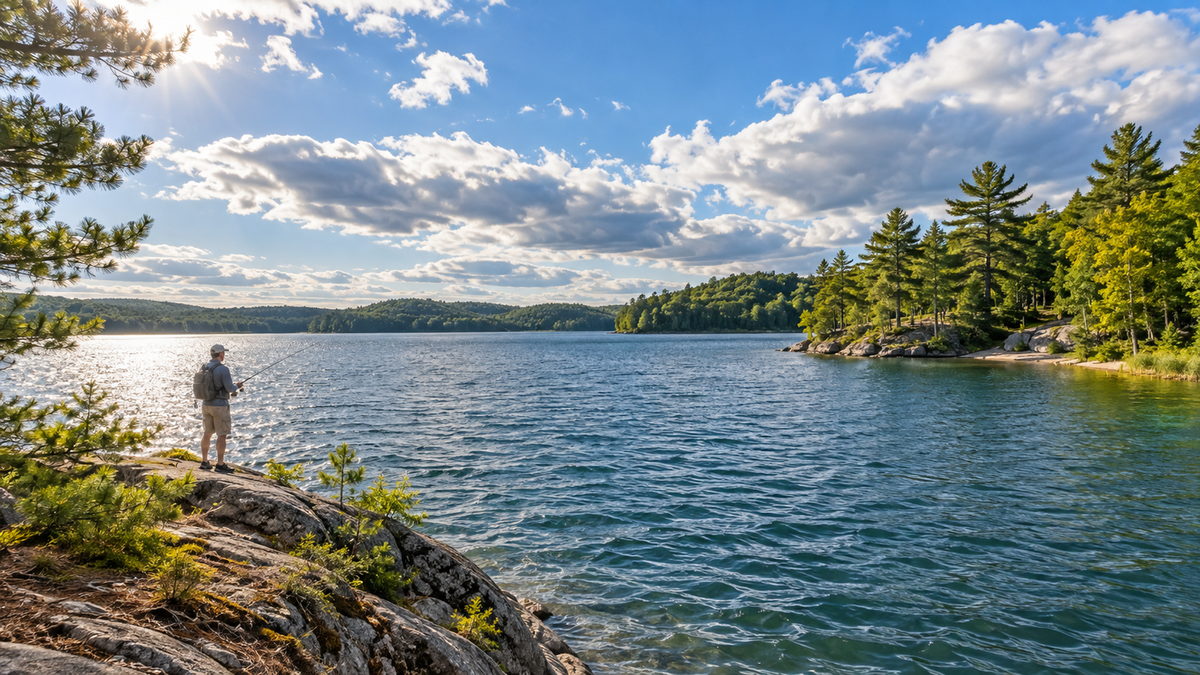
Shore anglers have risks too: slick rock, a flooded crossing, rising water, heat, cold, and wind that makes casting or balance difficult. “Fishable” depends on the person, clothing, route, craft, and exit options.
A practical fishing weather chart
| Condition | What may change | Useful adjustment | Do not assume |
|---|---|---|---|
| Light wind | Surface breaks up and food may collect on one bank. | Fish the safe windward edge or a nearby seam. | Any windy bank will hold fish. |
| Heavy wind | Boat control, casting, waves, and visibility become harder. | Move to sheltered water or cancel. | More wind always means a stronger bite. |
| Cloud cover | Light becomes softer and fish may roam differently. | Search wider, then slow down near clear signs. | Cloudy weather guarantees active fish. |
| Rain | Runoff, clarity, flow, temperature, and access can change. | Check water color, inflows, current, and flood risk. | Rain is automatically good or bad. |
| Temperature shift | Water changes slowly and fish location may shift. | Compare shallow and deeper areas. | Air temperature equals water temperature. |
| Pressure trend | It may signal a changing weather system. | Read it with wind, cloud, rain, and temperature. | One pressure number predicts a bite. |
Wind can help position the plan—or end it
A light or moderate wind can make the surface less clear and push floating food toward one side. It can also create a current along a bank. Predators may use that movement, but the response differs by lake, season, species, and water clarity.
Start with control. Can you cast where you want? Can you hold a kayak or small boat without constant correction? Can you walk the bank without spray or waves reaching the exit path? If not, the “best” bank is not useful.
Look for a compromise. A point may receive some wind while a nearby pocket remains sheltered. The edge between rough and calm water can be easier to fish than the full windward shore. On clear water, broken surface can reduce visibility. On already muddy water, more wind may make presentation harder.

Cloud, light, rain, and temperature
Cloud cover changes light, not the rules of fishing
Bright sun can create shade lines under docks, trees, grass, or rock. Cloud cover spreads softer light across a wider area. That may let some fish move away from tight cover, but it does not remove the need to find depth, food, and comfortable water.
Use light to choose where you start. On a bright morning, check shade and deeper edges. Under broken cloud, search a little wider. At dawn and dusk, watch access carefully because the best-looking light also reduces what you can see.
Rain can refresh water or create danger
Light rain may cool the surface and reduce glare. Strong rain can send muddy runoff into a lake, raise a river, strengthen current, and hide hazards. After rain, inspect inflows and clearer-water edges, but stay away from floodwater and unstable banks.
Rain upstream matters even when the sky above you is blue. River anglers should check gauges and local warnings. Coastal anglers should consider wind, waves, visibility, and runoff along with tide.
Water temperature matters more than the afternoon air
Fish live in water, and water changes temperature more slowly than air. A warm afternoon after a cold night may not heat a deep lake quickly. A shallow dark-bottom bay may respond sooner. If you measure water temperature, compare the same depth and place over time.
Use temperature to guide a search, not to declare success. Check sun-warmed shallows in cool seasons when safe, or deeper and shaded water during heat. Oxygen, flow, cover, and food still matter.
Read barometric pressure as a trend
Pressure is useful because it can show that a weather system is changing. A falling trend may arrive with wind, cloud, or rain. A rising trend may follow a front. The fish do not read the number on the screen; they respond to the whole environment.
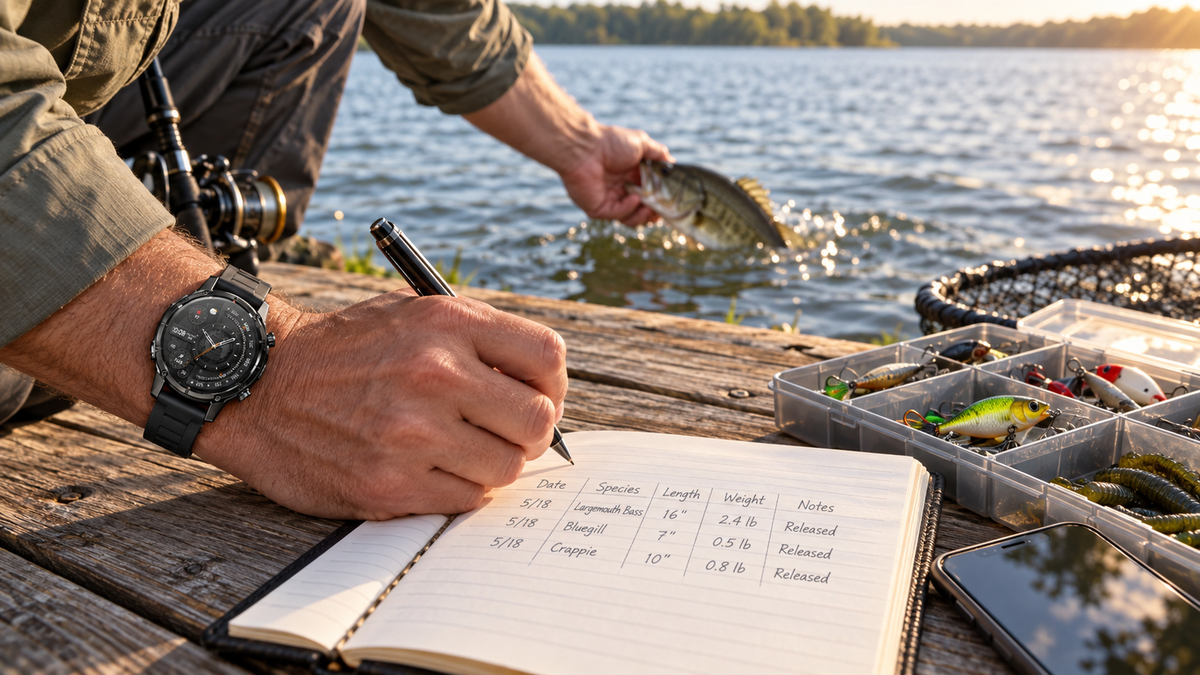
Compare pressure over time and write down what else changed. A universal chart that promises a bite at one narrow pressure band is too simple. Our barometric pressure forecast guide explains how to combine the trend with wind, rain, and temperature.
Match the forecast to the kind of trip
Bank and shore fishing
Focus on safe footing, access, casting direction, heat or cold exposure, and whether rising water can block the exit. A nearby sheltered shore may be better than driving toward the strongest wind.
Kayak and small-boat fishing
Wind direction matters as much as speed. Think about the return leg. Check waves, visibility, water temperature, and how quickly conditions may change. Wear the correct personal flotation equipment and follow local rules.
Larger boat and coastal fishing
Use the official marine forecast and local notices. Wind on land can be very different offshore. Swell, wave period, fog, storms, tide, and current all affect the plan. A fishing article cannot replace local navigation and safety information.
A 10-minute forecast check before fishing
- Read alerts first. Check lightning, severe weather, flood, heat, cold, and marine warnings.
- Check wind by hour. Note speed, direction, gusts, and the return period.
- Check rain and visibility. Look beyond the exact fishing location and consider upstream weather.
- Check water factors. Add tide/current, river level, water temperature, or waves when relevant.
- Choose a safe Plan B. Pick sheltered water or a shore route before the first choice fails.
- Save the key information. Mobile service may be weak at the water.

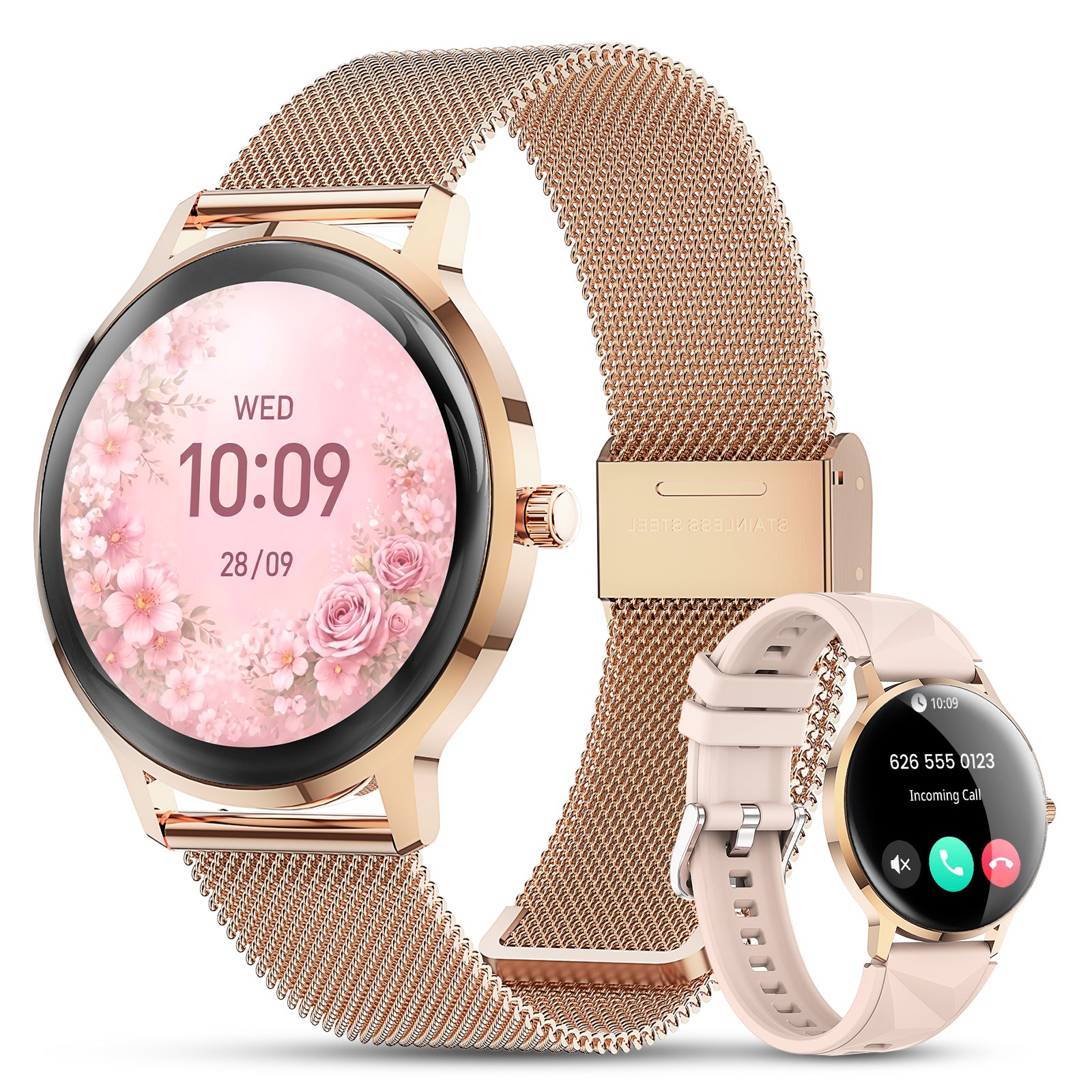
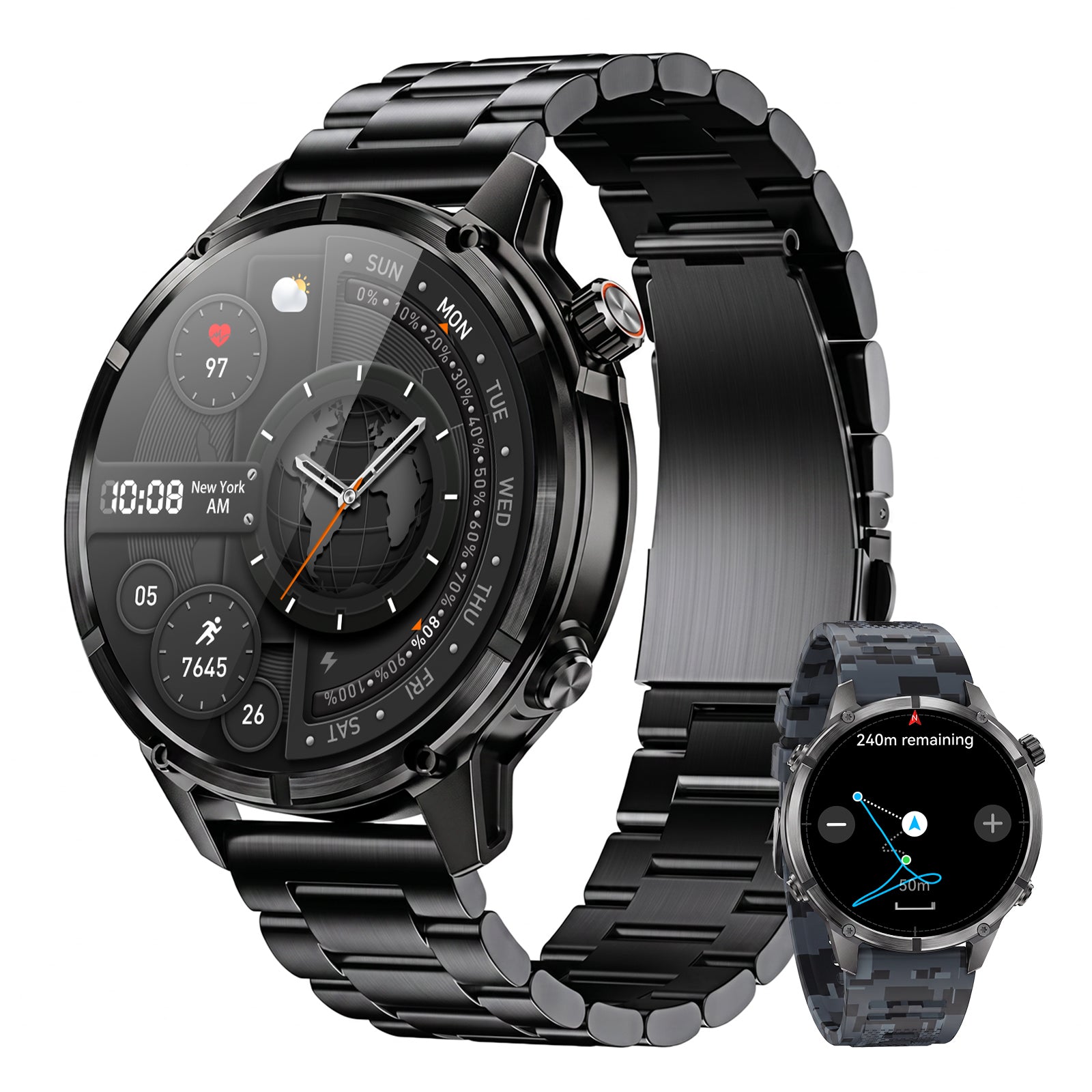
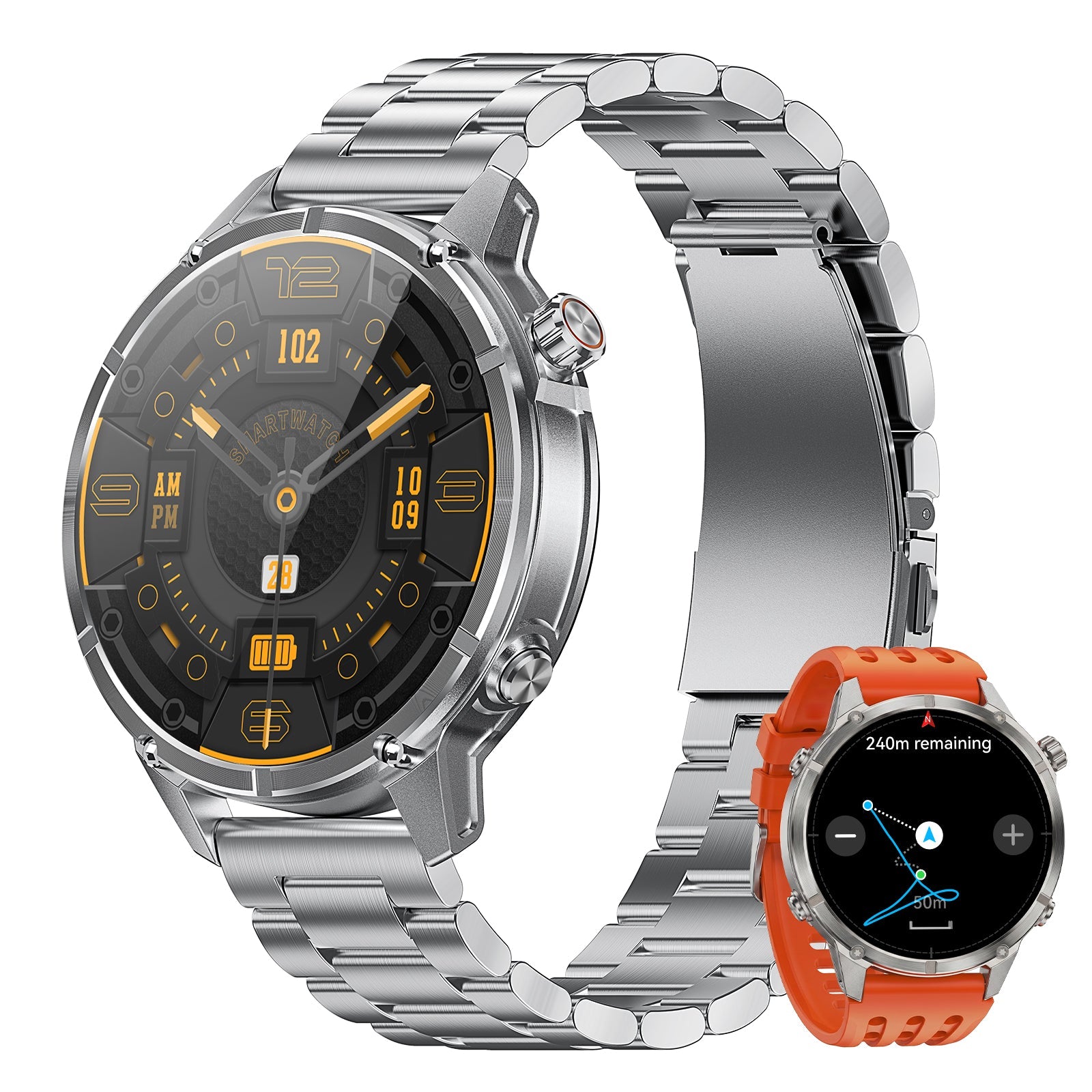
What Motion 6 GPS can add on the water
The phone and official forecast remain responsible for detailed weather, radar, tide data, and warnings. A watch can help you compare that plan with the place around you.

Motion 6 GPS
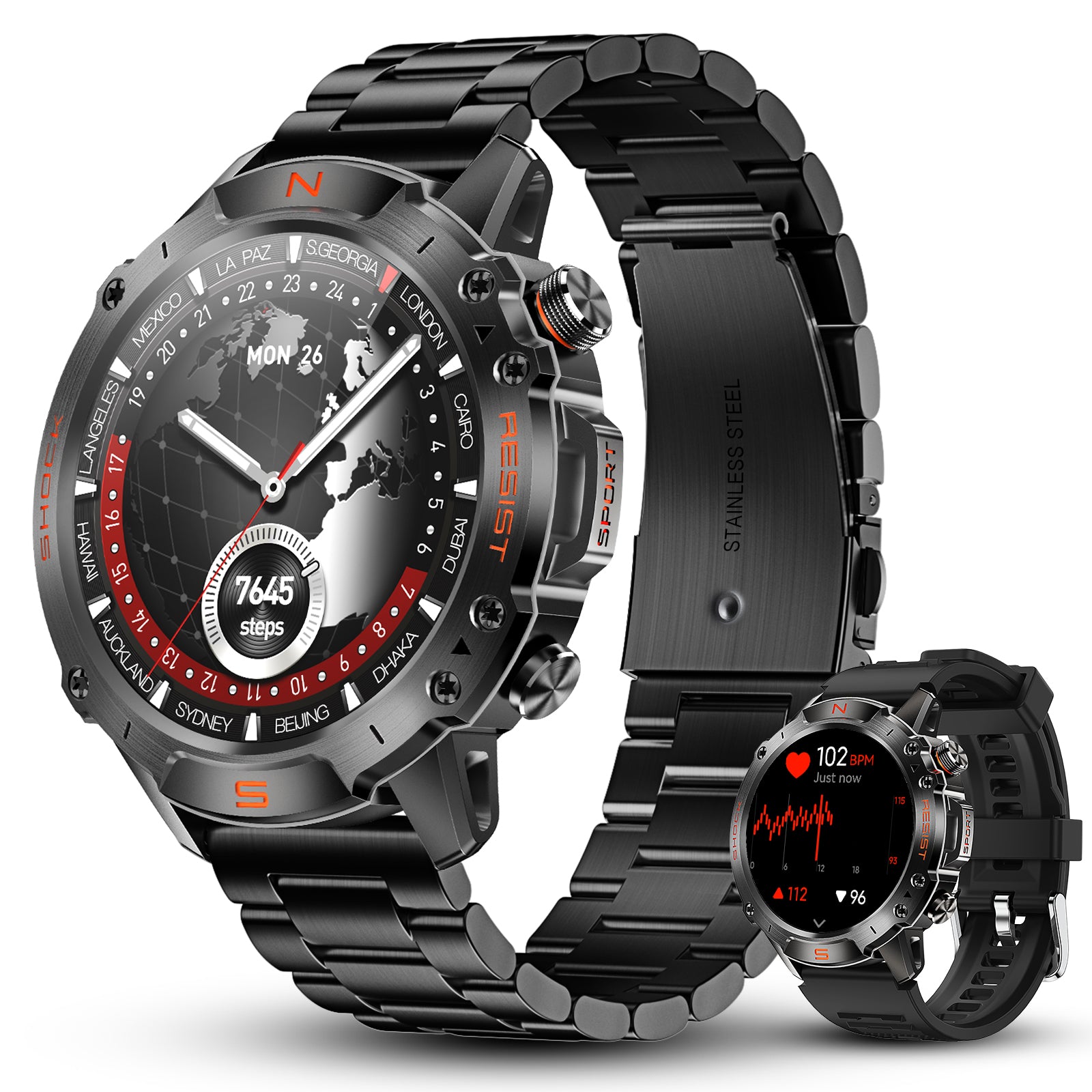
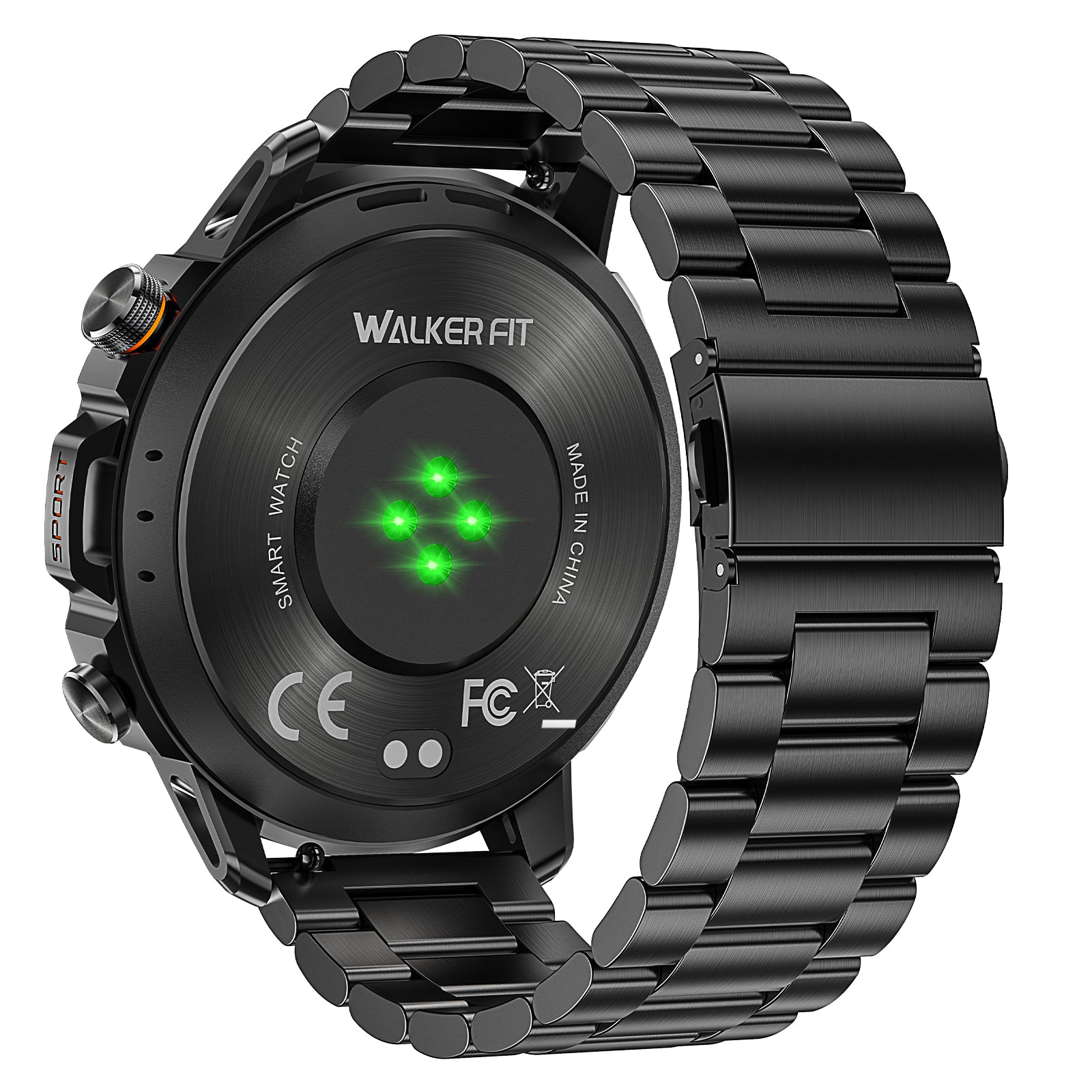
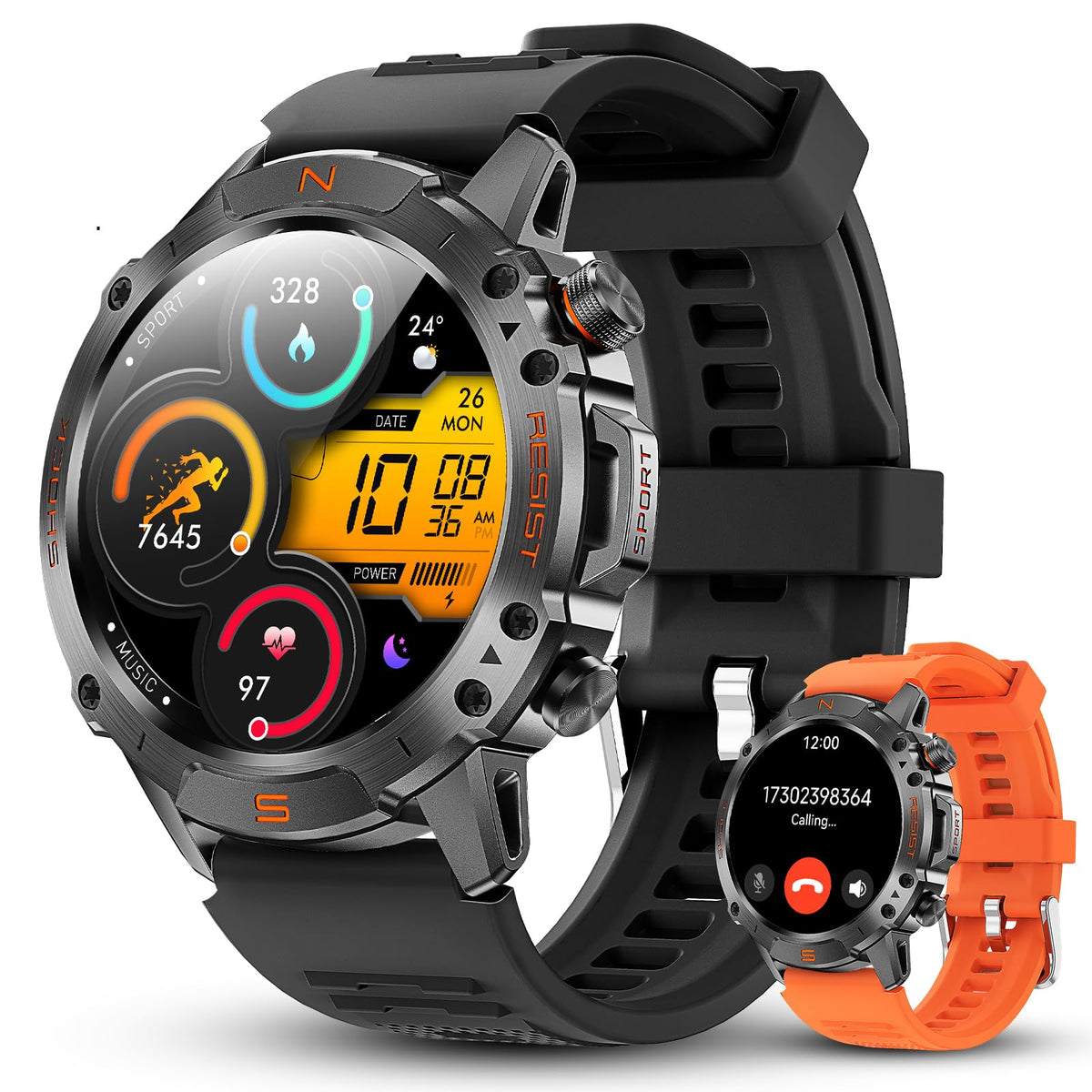
Use built-in multi-satellite GPS, route recording, compass, barometer, and altimeter for local outdoor context, plus health, activity, sleep, calling, music, and notifications.
$129.90
Before the trip, save the forecast and alerts on your phone. At the water, Motion 6 GPS can record your route, help with direction, and show barometric pressure and altitude information. If the sky, wind, water, or official alert changes, follow the safer option—not the original schedule.
Frequently asked questions
Is cloudy weather better for fishing?
Cloud can soften light and change where fish move, but it does not guarantee a bite. Water temperature, food, cover, wind, and season still matter.
Is fishing good after rain?
It can be, but runoff may change clarity, current, temperature, and access. Check flood risk and water conditions before deciding.
How much wind is too much for fishing?
There is no single limit for every angler or craft. If you cannot control your cast, boat, balance, or safe return, move to shelter or cancel.
Can barometric pressure predict when fish will bite?
No single pressure number can guarantee a bite. Use the trend as weather context and compare it with wind, cloud, rain, temperature, water, and your own records.