

Quick answer
Bass can be caught under high, low, rising, falling, or steady pressure. The useful change often comes from the full weather event around the pressure line. Before a front, cloud and wind may increase. After a front, the sky may clear and wind may shift. Start with safe conditions, then adjust location and presentation from what the water shows you.
Does barometric pressure control bass feeding?
No strong evidence shows that one air-pressure number controls bass feeding by itself. Bass live under water pressure, which changes far more with depth than normal weather changes do. They also respond to season, water temperature, light, current, prey, cover, fishing pressure, and many other conditions.
In-Fisherman reported observations of tracked bass and lure presentations. In one small sample, 52 percent of bass struck during low pressure compared with 39 percent during high pressure. Slowly falling pressure also showed more strikes than slowly rising pressure in that sample. But the authors warned that the sample was small and mixed with other factors. In a larger set of observations, some patterns changed.
A controlled Bemidji State University study on yellow perch also found no significant effect of rising, falling, or steady pressure on the amount eaten across 12 trials. That study was not on bass and did not copy a full lake. It still gives a useful warning: pressure alone is a weak base for a broad promise.
The practical conclusion is simple. Track pressure because it helps describe the weather event. Do not expect the number to tell you exactly where a bass will sit or which lure it will take.
How should you fish before, during, and after a front?
Before the front
Pressure may fall as a low-pressure system approaches. Cloud can thicken. Wind may build or shift. Those changes can reduce glare, move surface water, and push food toward certain banks. Start by checking wind-blown structure, visible bait, and areas where cover meets a travel route. If the forecast includes storms, keep an exit plan and follow official warnings.
As the system passes
Conditions can change fast. Rain may stain water. Wind can make boat control or bank casting hard. Do not chase a pressure theory into unsafe weather. In safe conditions, let visibility and water movement guide lure size, color, depth, and speed.
After the front
Pressure often rises as cooler or drier air moves in. The sky may clear, and the wind may turn. Bright light can make shade, depth, and thicker cover more important in some waters. That is a starting idea, not a rule. If bass are active in open water, keep fishing what is working.
| Weather stage | What may change | First places to observe | Adjustment to test |
|---|---|---|---|
| Ahead of a front | Falling pressure, more cloud, building wind | Wind-facing banks, points, moving bait, cover edges | Cover water until fish response suggests slowing down |
| Front passing | Rain, wind shift, fast pressure movement | Safe protected water and easy exits | Put safety first; adapt to visibility and control |
| Right after | Rising pressure, clearing sky, cooler or drier air | Shade, deeper edges, vertical cover, sheltered pockets | Change depth or pace one step at a time |
| Stable pattern | Small pressure movement | Seasonal areas and recent productive water | Let temperature, bait, and local history lead |
This table is a search order. It is not a promise. The best first move is the one that fits the season and the lake in front of you.
Is high or low barometric pressure better for bass fishing?
Neither label is enough. A high value can be rising, falling, or steady. So can a low value. The direction and the weather around it give more context than the label alone.
Under high pressure
First check light and wind. If the sky is bright and calm, look for shade, depth changes, docks, grass, wood, or rock that gives fish cover. If wind is still moving water, do not ignore the bank receiving it. Make one clear adjustment at a time so you know what changed the result.
Under low pressure
Low pressure may arrive with cloud, rain, and wind, but not always. Use the real conditions. Wider search casts can make sense when visibility is lower and bait is moving. A slow, precise presentation can still be the right answer when water is cold or fish are under heavy pressure.
During a rapid change
Check safety before fishing strategy. Fast pressure change can be part of a strong weather system. Lightning, dangerous wind, flooding, and rough water matter more than a possible feeding window.

A practical bass adjustment plan
- Set the seasonal starting area. Spawn stage, summer heat, fall bait movement, and winter water temperature matter more than a generic pressure chart.
- Read the visible weather. Note wind direction, cloud, rain, light, and water clarity.
- Find the bait and cover. Use the pressure trend only as context for where you start looking.
- Change one variable. Adjust depth, speed, lure size, or location one at a time.
- Log the result. Write what bass did, not what a forecast said they should do.
This method protects you from a common mistake: changing everything because the pressure moved. If you change the lure, depth, speed, and bank at once, you cannot learn which choice helped.
How Motion 6 GPS can support a bass trip
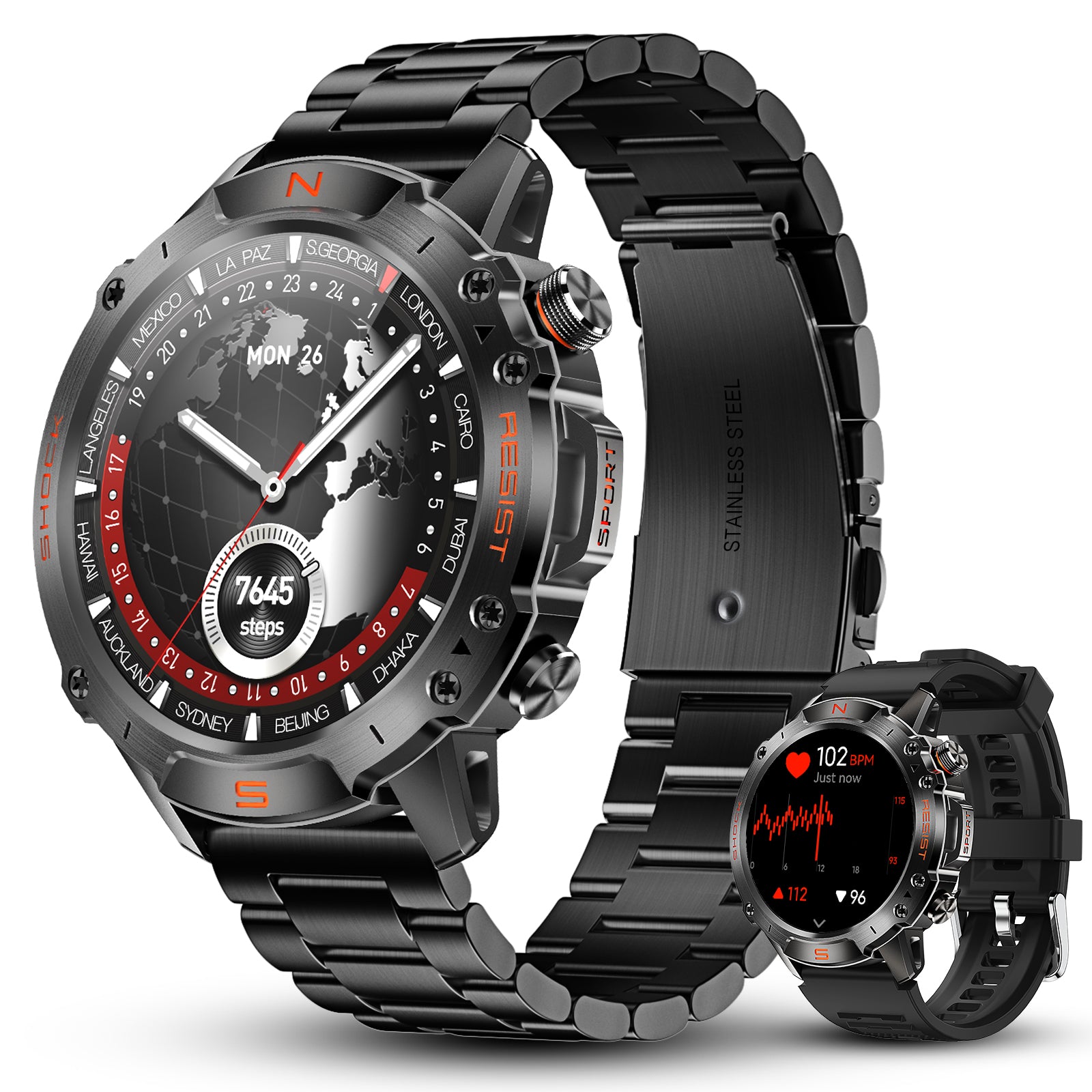
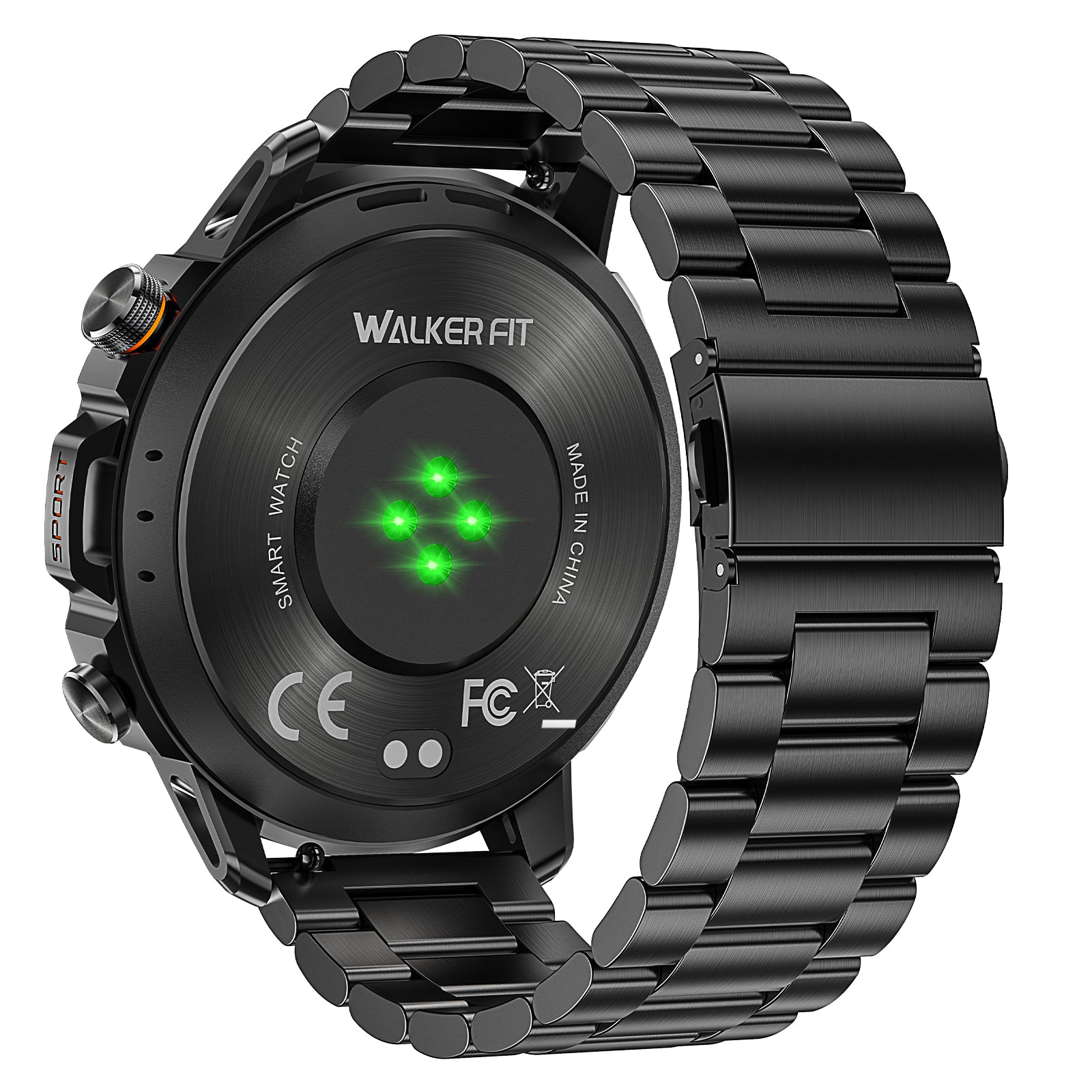
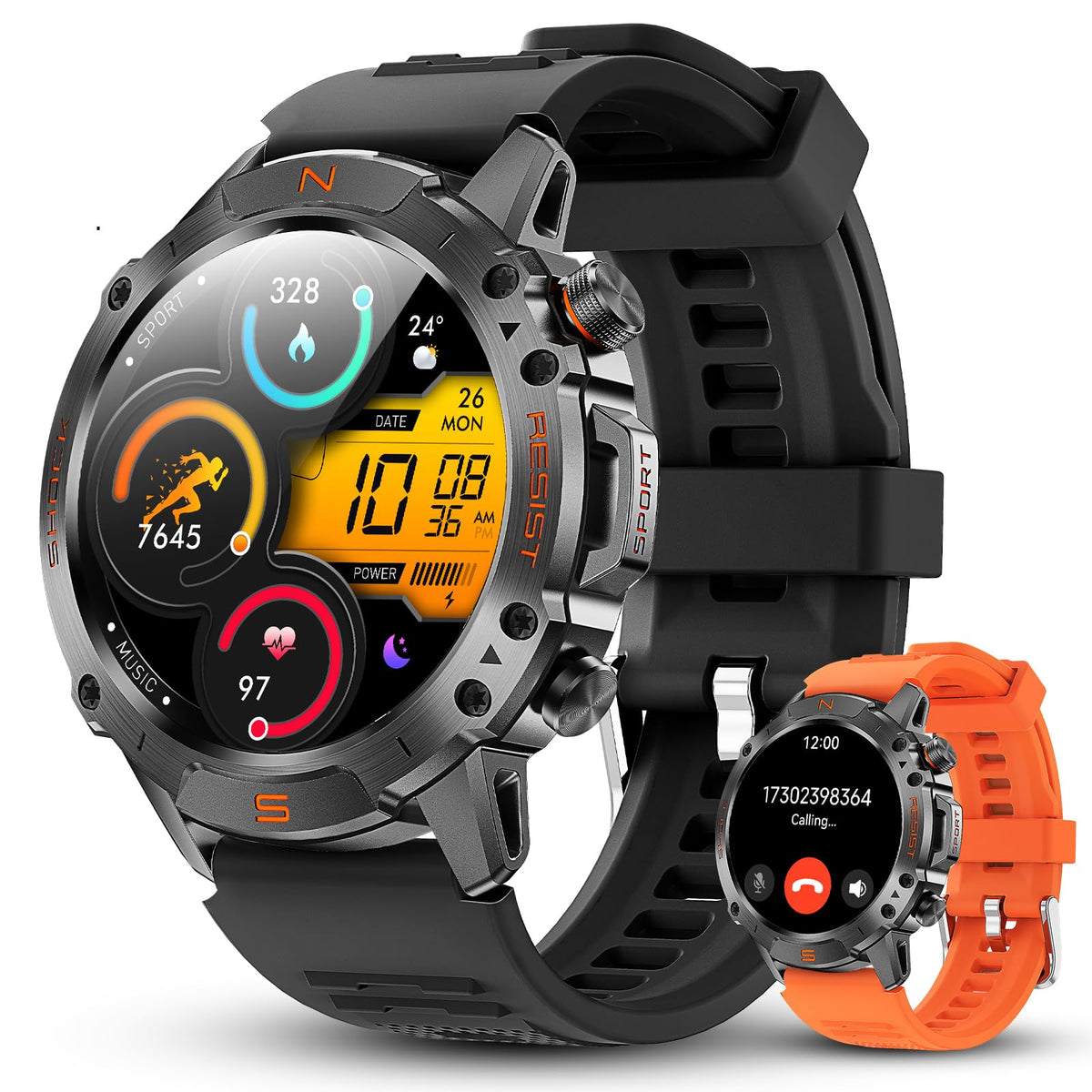
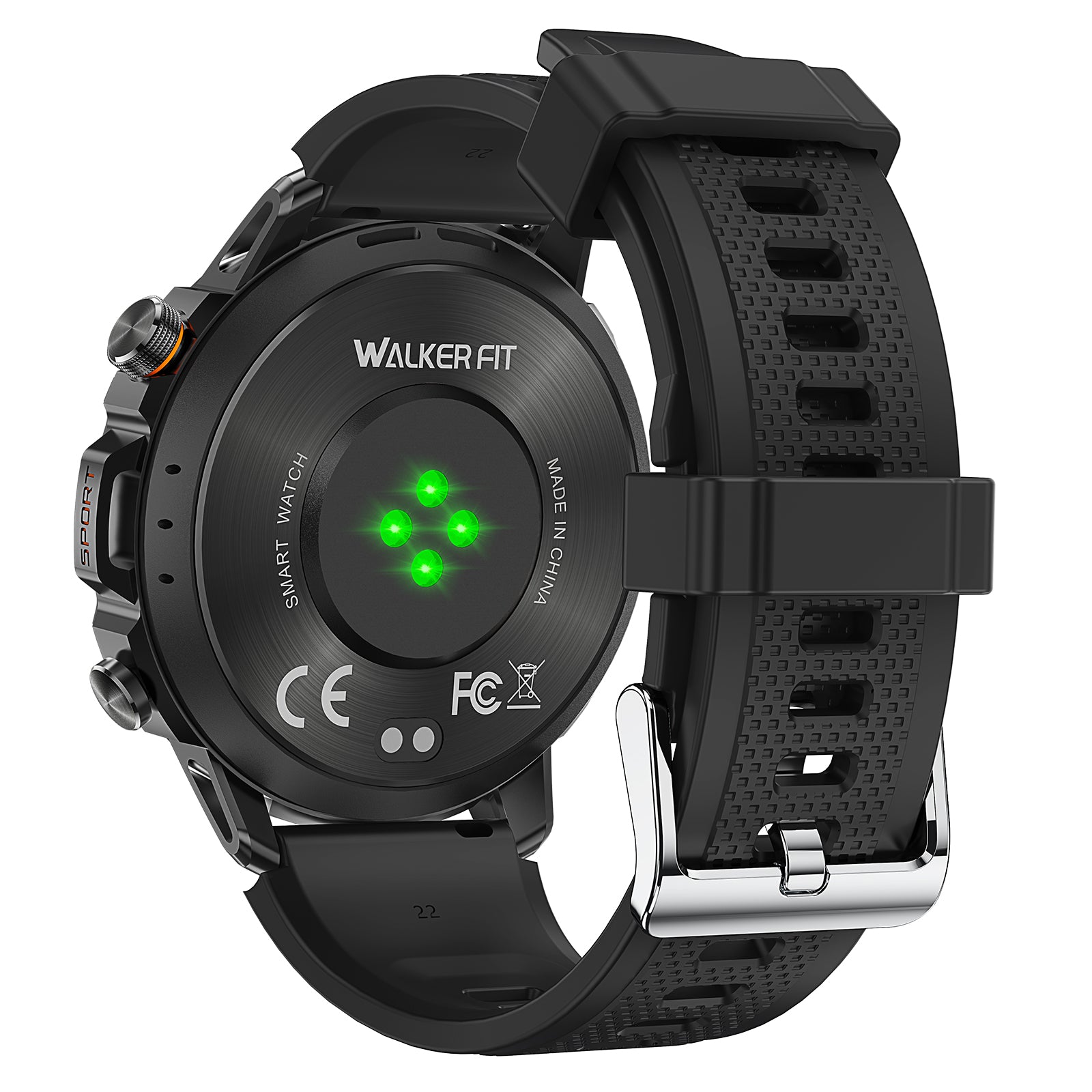
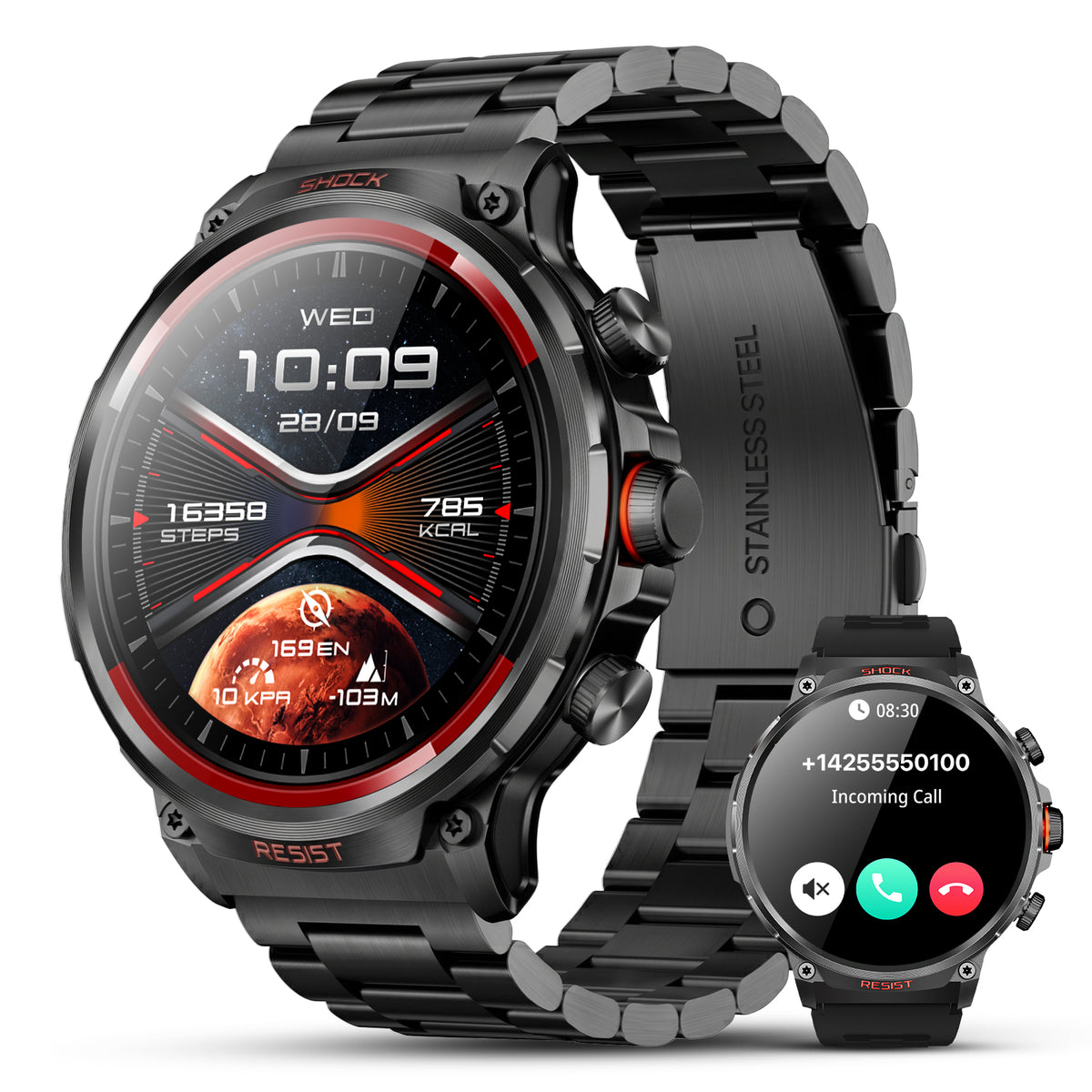
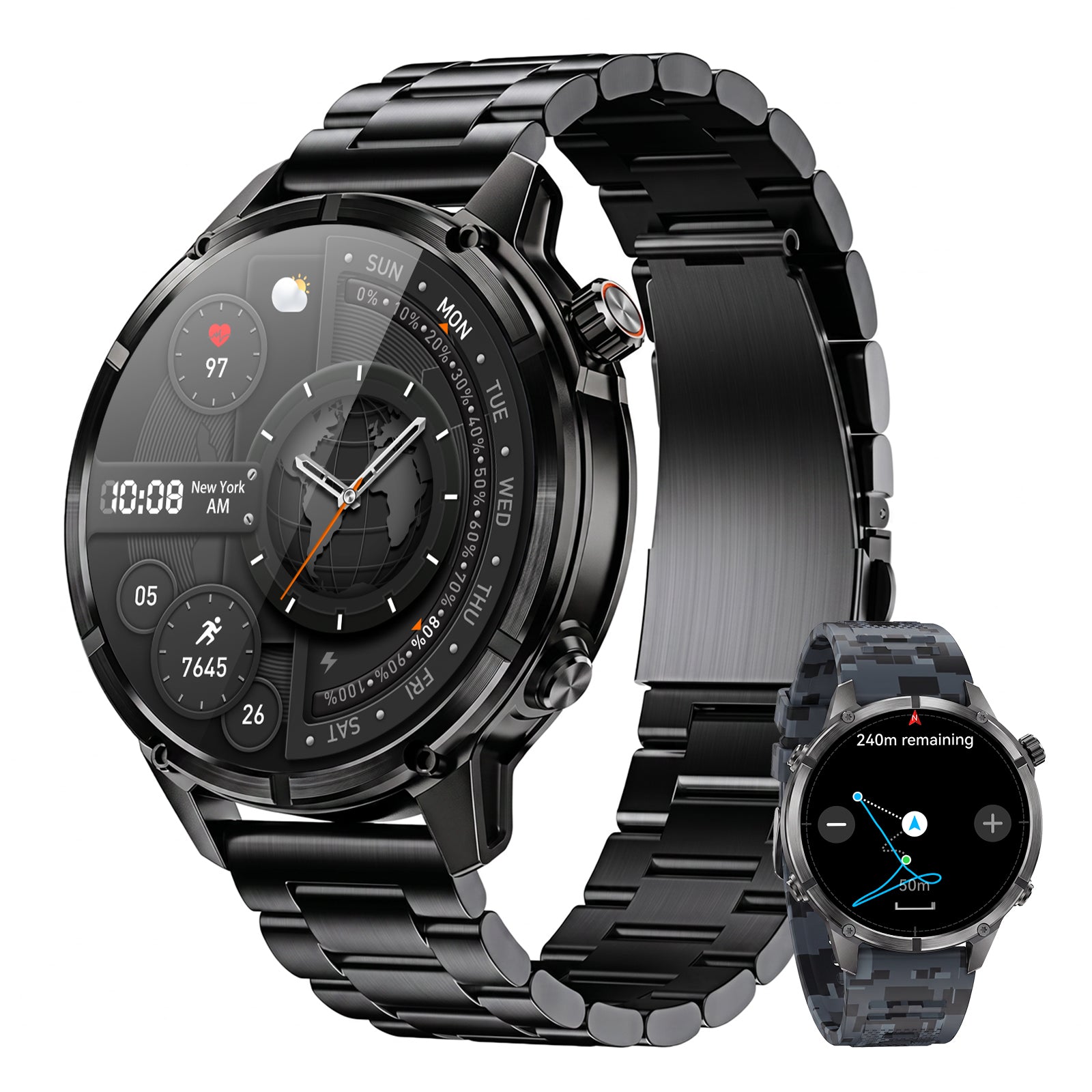
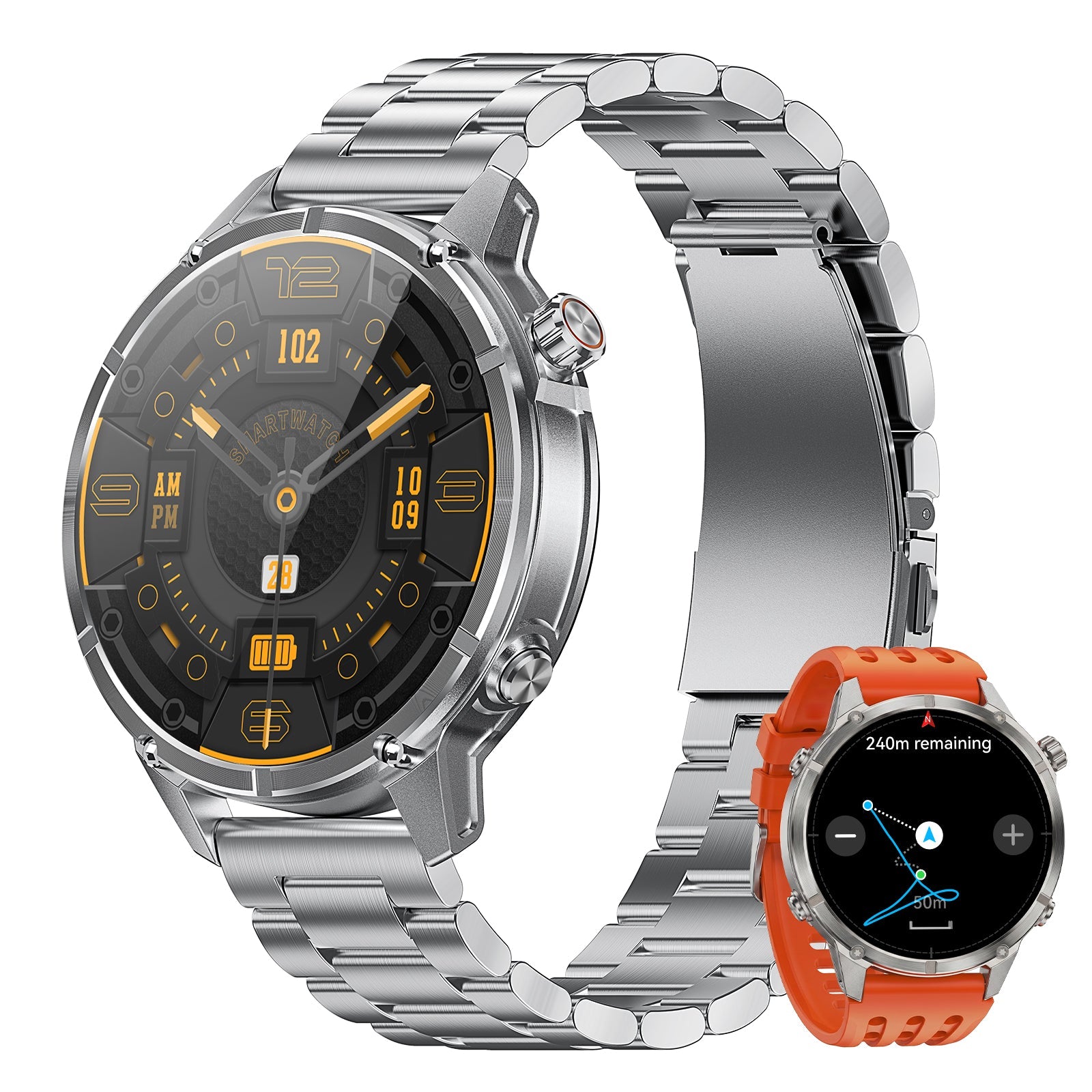
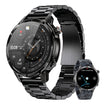
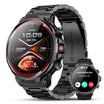
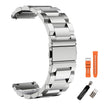
Motion 6 GPS gives you a barometer and altimeter on the wrist, so you can note the local trend while fishing. Multi-satellite GPS records the route. The compass helps with basic direction. Four physical buttons can be easier to use with wet hands than a touch-only control.
It also covers the rest of the week with activity, sleep, heart-rate, calling, notification, music, and weather features. That wider use matters if you do not want to buy a device only for fishing. Prepare detailed maps and the regional forecast on your phone. Use the watch to observe the current trip and add context to your notes.

Motion 6 GPS
Track the route and local pressure trend while keeping everyday smartwatch features on the same wrist.
$129.90$162.38
Run a simple field test on your own lake
You do not need a laboratory to make better notes. You do need a repeatable method. Choose one season and one or two familiar areas. Record the same fields every trip. Avoid judging the pattern from only your best day.
| Record | Useful detail | Avoid |
|---|---|---|
| Pressure | Value, unit, direction, and time | “High” or “low” with no context |
| Weather | Wind, cloud, rain, temperature, front timing | Using pressure as a shortcut for all weather |
| Water | Temperature, clarity, level, current if relevant | Comparing different seasons as one group |
| Bass location | Depth, cover, structure, bait presence | Only writing down the lure |
| Response | Follow, strike, catch, or no sign | Counting only landed fish |
After enough trips, ask narrow questions. Did bites move shallower when wind and cloud increased? Did bright post-front mornings push your productive fish toward shade? Did that happen at the same water temperature? These questions turn a pressure log into a local fishing tool.
Frequently asked questions
What barometric pressure is best for bass fishing?
No single value is best everywhere. Trend, front timing, wind, light, water temperature, season, and local bass behavior matter together.
Do bass stop biting under high pressure?
No. High pressure may arrive with bright, calm weather, but bass can still be caught. Use the visible conditions and fish response to adjust depth, cover, and pace.
Is falling pressure always a pre-front feeding window?
No. It can be part of a changing system, but the result varies. Wind, cloud, temperature, season, prey, and local water conditions can matter as much or more.
Can bass sense pressure changes?
Fish can sense pressure in their environment, but normal weather pressure is only one signal among many. That fact does not support a universal bite forecast.
Use pressure to organize the day, not judge it
Pressure can help you name the stage of a weather event. It cannot make the final fishing decision for you. Start with season and safety. Read wind, light, water, and bait. Then let bass response tell you what to change.