

Quick answer
Start with the next 24 hours, not one pressure number. Find when the line begins to rise or fall. Check whether wind, rain, temperature, or a front changes at the same time. Use that package to choose safe access, a starting area, and a backup plan. A pressure forecast cannot guarantee a bite.
What can a barometric pressure forecast tell an angler?
A pressure forecast shows how air pressure may change over the next hours or days. A falling line often appears as a low-pressure system or front approaches. A rising line often follows as the system moves away. A flat line means the forecast expects little change over that period.
That gives you weather context, not a fish count. The same system can also change wind direction, cloud, rain, air temperature, and water movement. Those changes may affect where you can fish and how fish use cover. The pressure line is one part of the event.
Forecasts also change. Check the update time and location. A forecast for the nearest city may miss conditions on a large lake, coast, or mountain river. For safety, use an official local weather source and follow warnings.
How do you read a 24-hour pressure forecast?
- Set the fishing window. Mark the hours you can actually be on the water.
- Find the direction. Is pressure rising, falling, or nearly steady during that window?
- Mark the turn. A change from falling to rising may show when a system is passing, but confirm it with the wider forecast.
- Check the rate. A sharp change deserves more attention than a small drift. Use actual hourly values when available.
- Read the weather beside it. Add wind, rain, temperature, cloud, lightning risk, and marine or flood alerts.
- Choose a safe Plan B. Pick protected water, shore access, a shorter session, or another day when needed.
The National Weather Service defines a three-hour tendency as the actual pressure change during those three hours. This is a helpful way to avoid being fooled by a long graph. Compare equal periods rather than dividing a daily change into imaginary pieces.
Pressure makes more sense inside the full weather package
| Forecast item | Question to ask | How it changes the plan |
|---|---|---|
| Pressure trend | When does the line turn or move fastest? | Choose observation times and note when the weather system changes. |
| Wind | Will it strengthen, shift, or create unsafe waves? | Choose the protected bank, launch, or shorter route. |
| Rain and storms | Is there lightning, flash-flood, or heavy-rain risk? | Follow official alerts and change or cancel the trip. |
| Temperature | Is air or water changing quickly? | Adjust clothing and the depth or pace you plan to check first. |
| Cloud and light | Will bright sun replace cloud, or the reverse? | Prepare options for open water and shaded or covered areas. |
| Water data | Are tide, flow, level, or clarity changing? | Use the correct local source; pressure alone cannot answer this. |
For saltwater fishing, tide and marine forecasts may matter more than air pressure. For rivers, flow and recent rain can lead the decision. For a small lake, wind, water temperature, and access may be the first checks. The best forecast view is the one that matches the water.
Three ways to turn the forecast into a trip plan
Plan A: A slow pressure change and safe weather
Keep the normal trip. Choose your starting area from season, water temperature, and recent results. Note pressure at arrival, but do not rebuild the whole plan around it. This is a good day to add a clean entry to your log.
Plan B: A front is expected during the session
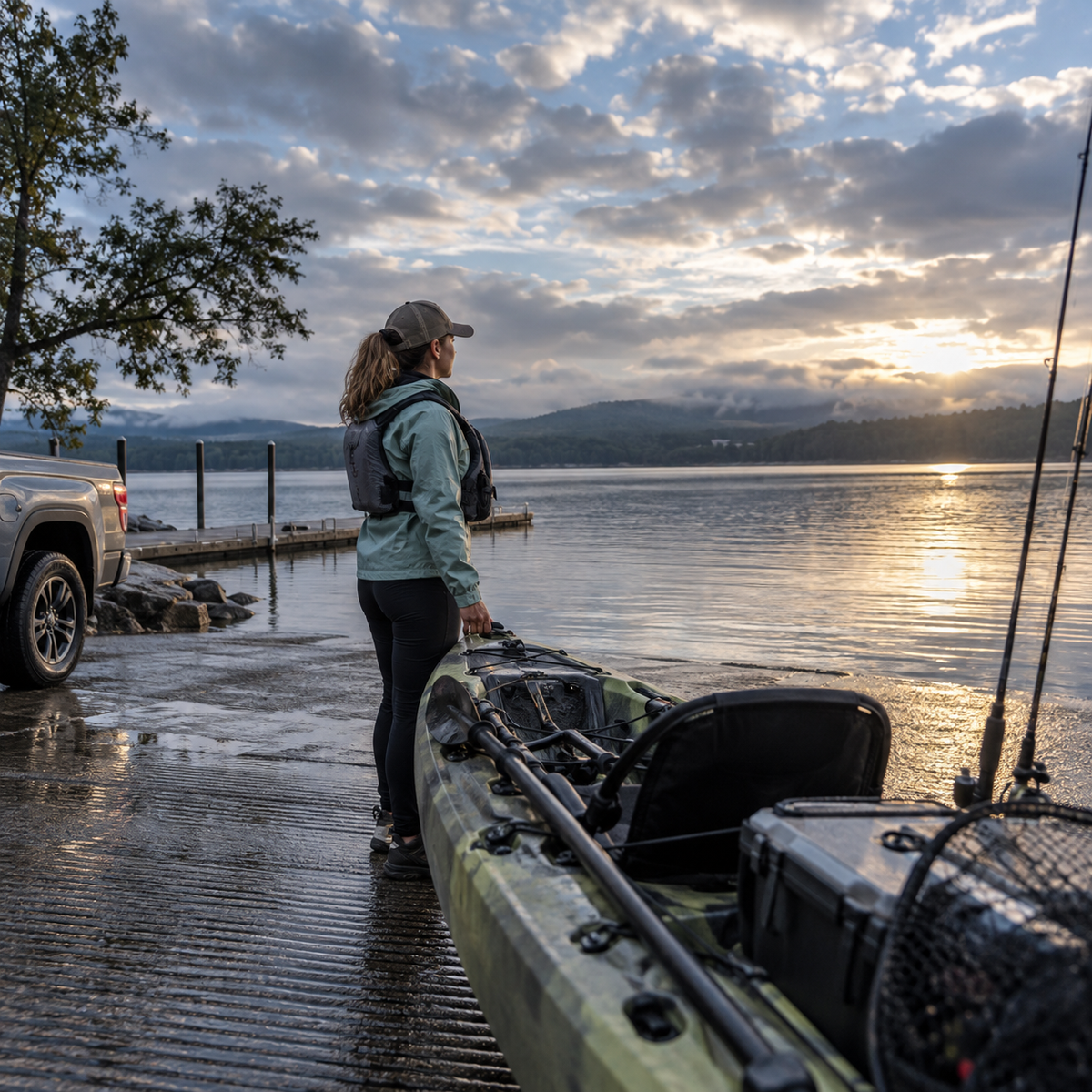
Watch the timing of wind, rain, and alerts. Pick an access point with an easy exit. Carry the lures or rigs you normally use in both brighter and darker conditions. If the weather changes earlier than expected, follow the real sky and official warnings, not the old forecast.
Plan C: High pressure settles in after a front
Do not assume the day is lost. Start with what you can observe: water clarity, sun, wind, available cover, and bait. Slow down or change depth only when fish response supports the move. Pressure is a reason to pay attention, not a reason to quit.

Check the forecast against the water
At arrival, compare the forecast with the real conditions. Is the wind already stronger? Did cloud arrive early? Has rain changed the water? Is the pressure trend moving as expected? Write one short baseline.
Check again only at useful moments: after a major weather shift, when you move to a very different elevation, or near the end of the session. Too many readings create noise. The goal is to learn what happened, not to stare at a graph.
After the trip, save the pressure trend with the fishing result. Include time, place, depth, cover, presentation, water temperature if known, and the weather change. Several honest entries can show a local pattern. One good or bad day cannot.
Where Motion 6 GPS fits in the plan
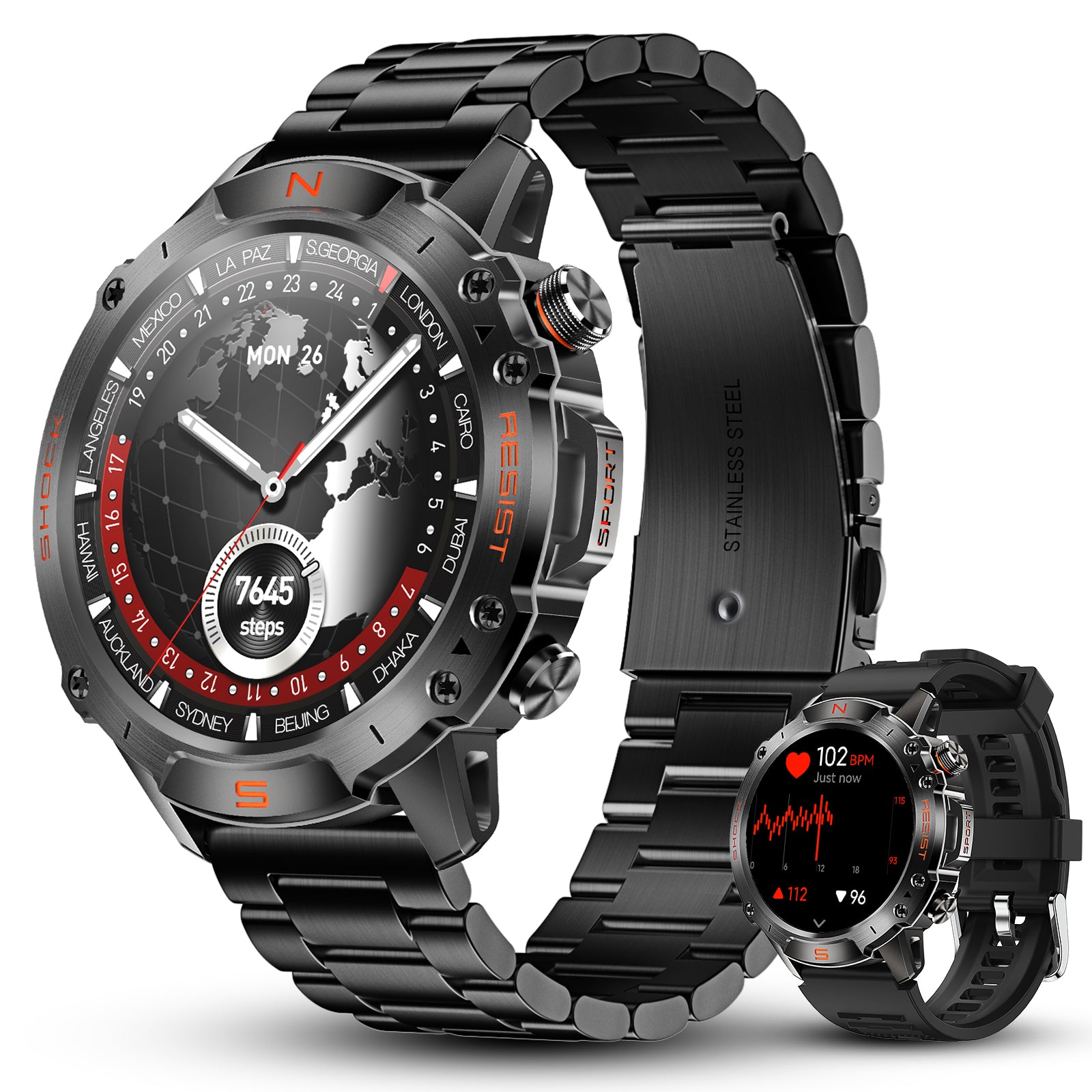
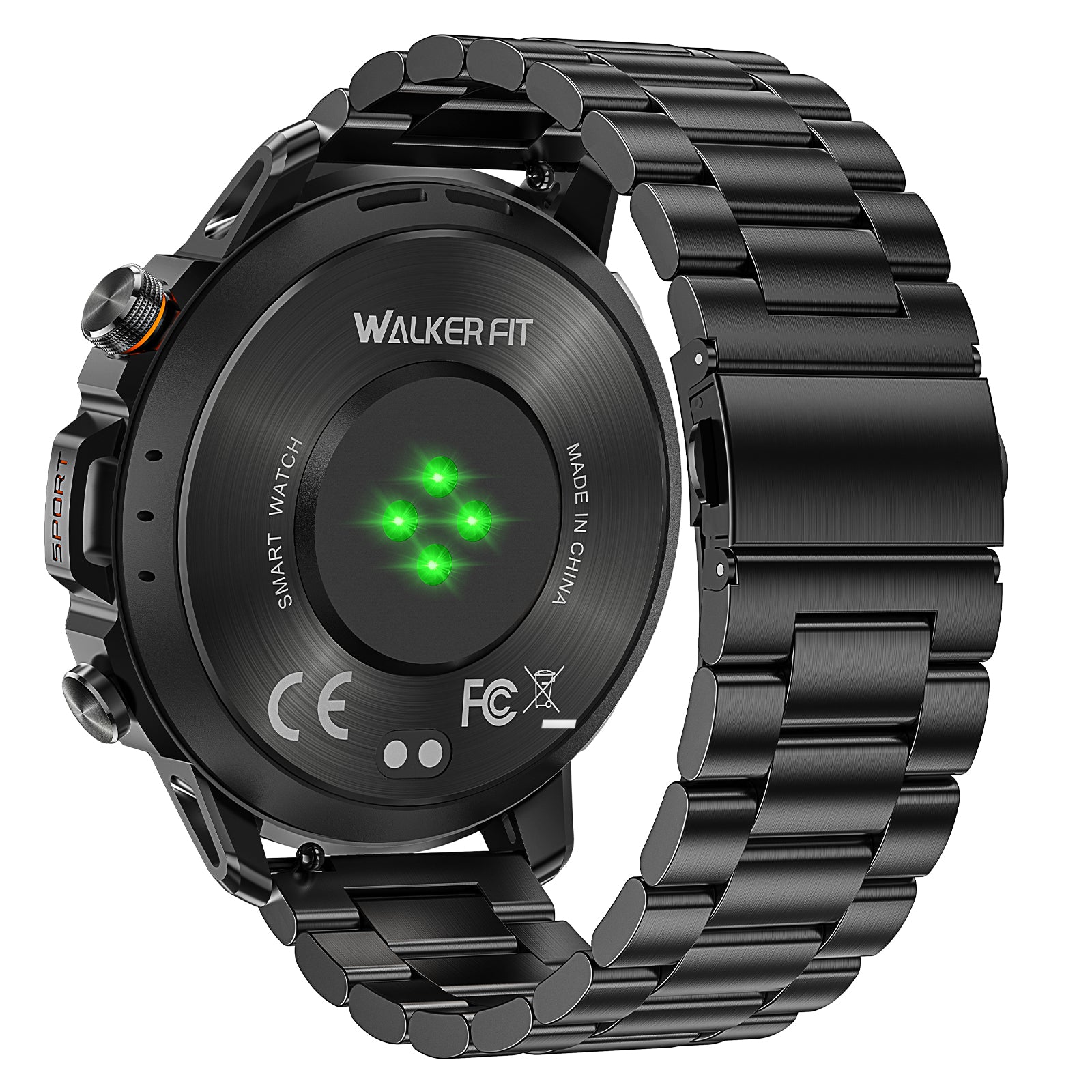
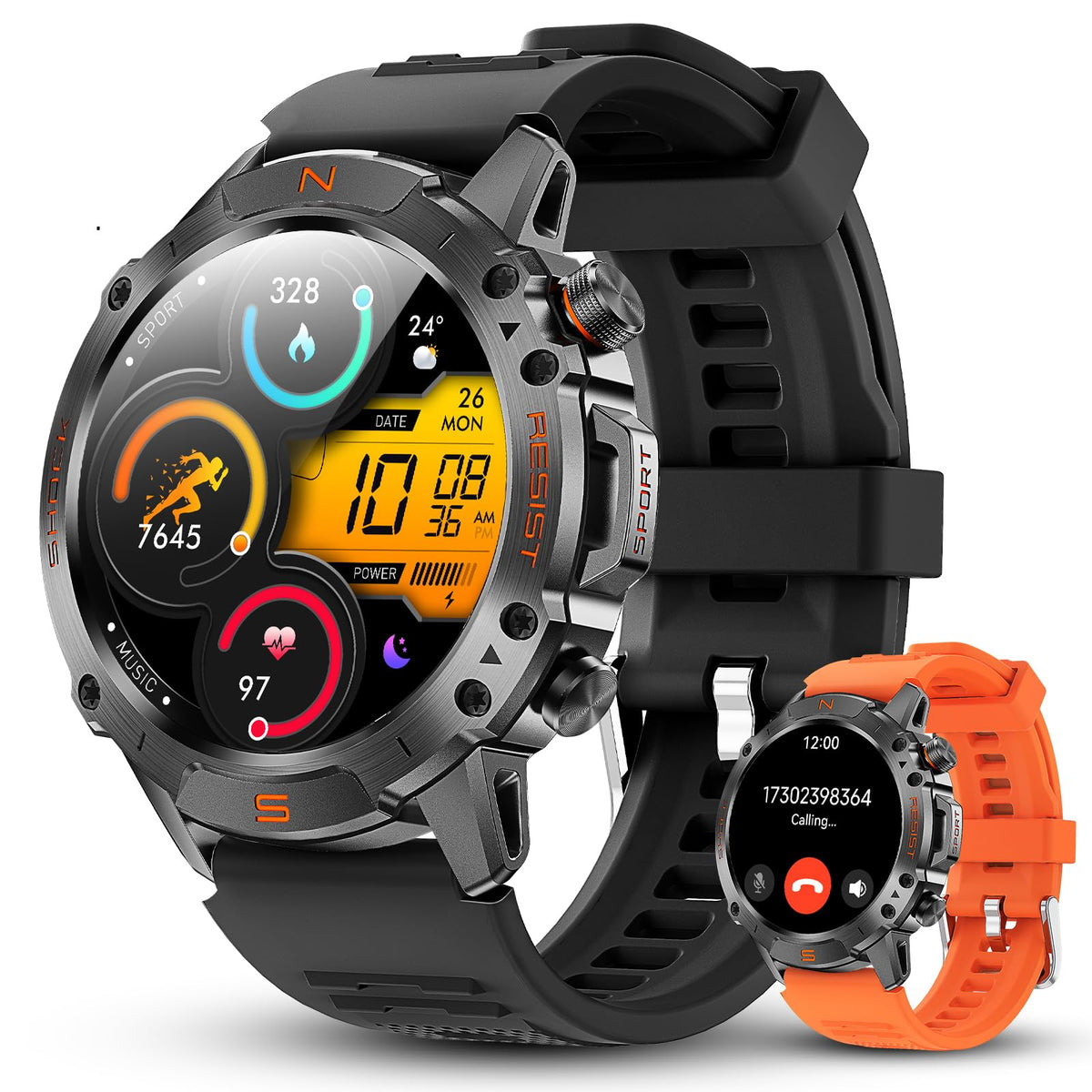
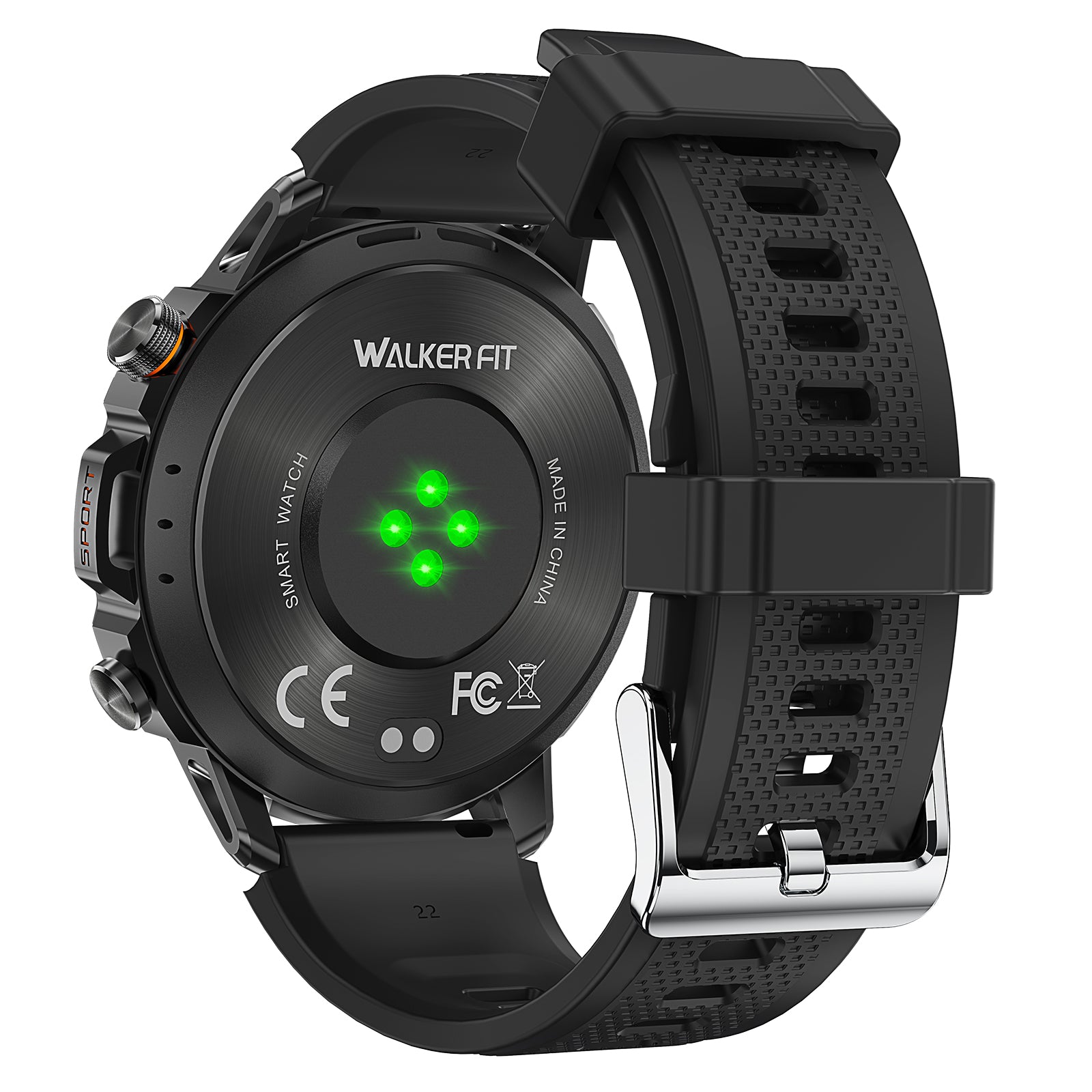
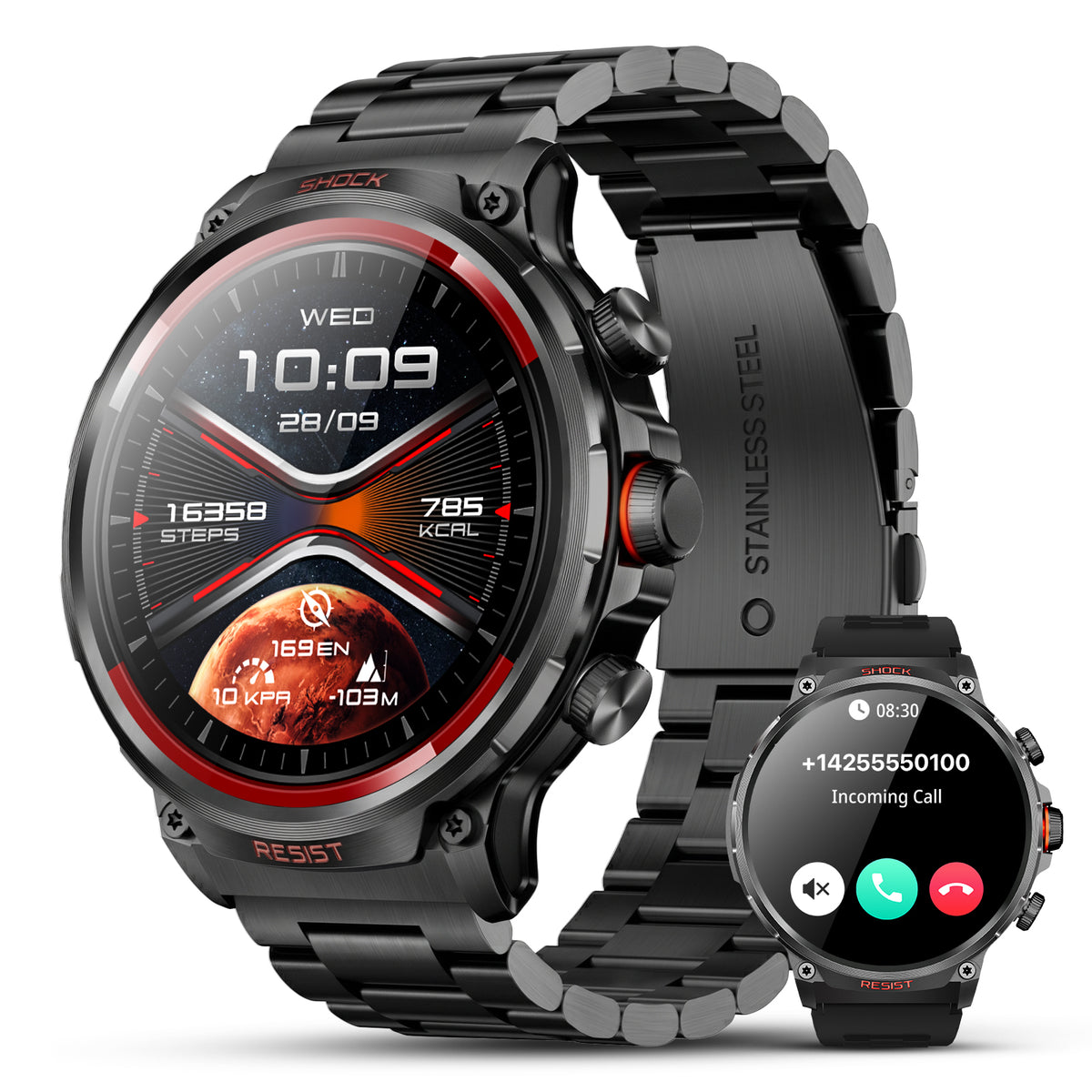
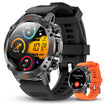
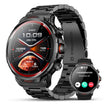
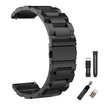
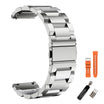
The phone is the planning tool. It can show the regional forecast, radar, and official alerts before you leave. At the water, Motion 6 GPS can keep the current pressure, altitude, direction, and route close at hand. Its built-in barometer and altimeter add local context. Multi-satellite GPS and route recording help you review where you walked or paddled.
The watch also covers daily needs through activity and sleep tracking, heart-rate information, calls, notifications, music, and synced weather. That makes it more useful than a single-purpose pressure gauge. Use it to observe the trip. Keep detailed maps and official weather information on the phone.

Motion 6 GPS
A practical bridge between the forecast you checked at home and the conditions you see outside.
$129.90$162.38
A five-minute forecast routine
| When | Check | Decision |
|---|---|---|
| Night before | Alerts, wind, rain, temperature, pressure direction | Go, change location, shorten, or cancel |
| Before leaving | Latest update and radar | Confirm timing and safe access |
| At arrival | Real wind, cloud, water, local pressure | Choose the first area and presentation |
| During a change | Trend plus visible weather | Adjust position or exit early |
| After the trip | Result and actual conditions | Build a useful local record |
Frequently asked questions
How far ahead should I check a pressure forecast?
Use a broader look one or two days ahead, then check the latest 24-hour and hourly forecast before leaving. Shorter forecasts are usually more useful for timing.
Does falling pressure mean fishing will be good?
Not by itself. Falling pressure often comes with changes in wind, cloud, rain, and temperature. Read those conditions together.
Can a watch replace a weather forecast?
No. A watch barometer shows local conditions and recent movement. Use an official source for regional forecasts and warnings.
Should I cancel because pressure is high?
No. Cancel for unsafe weather or access, not because of one pressure number. Fish can still be caught under high, low, rising, falling, or steady pressure.
Plan for weather, then fish the conditions
A pressure forecast is useful when it improves a real decision. Read the timing, add the rest of the weather, and prepare a safe backup. Once you arrive, let the water and fish response guide the session.