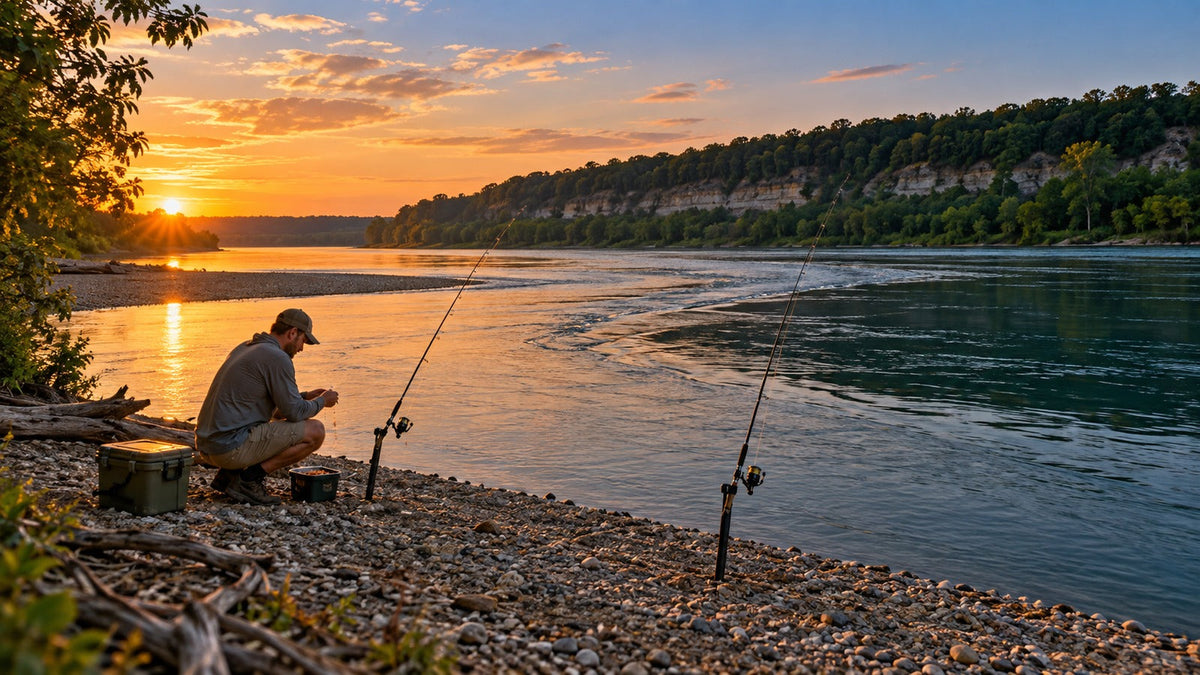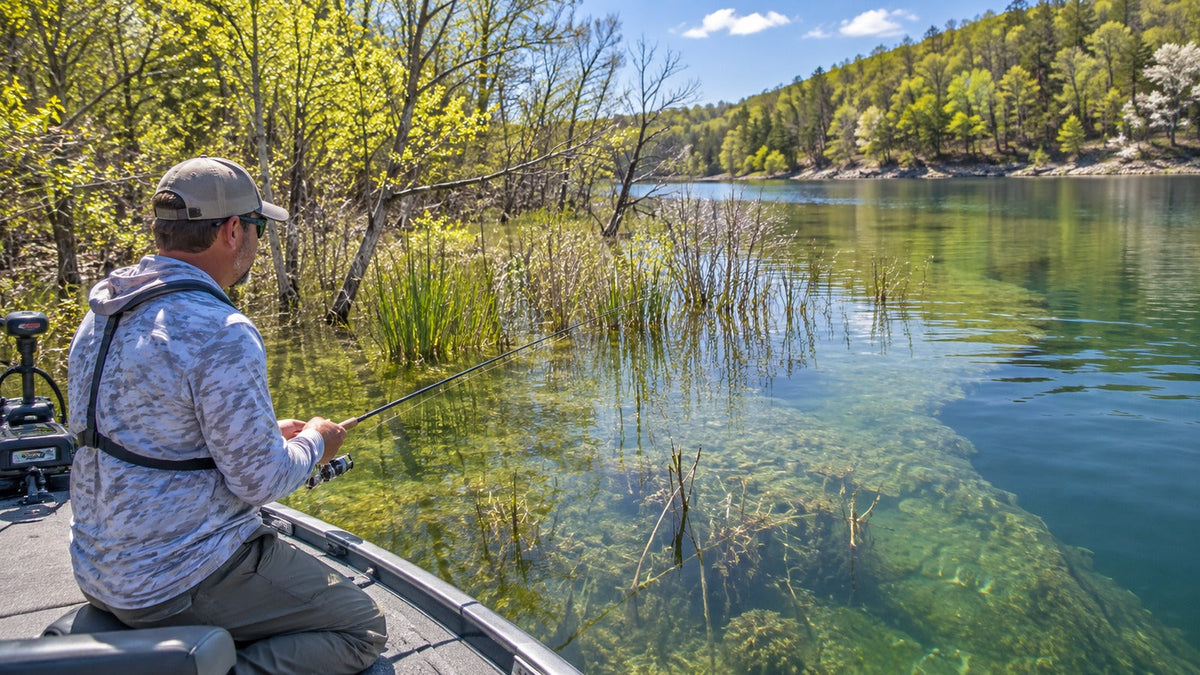


The real problem is warm water—not missing sunrise
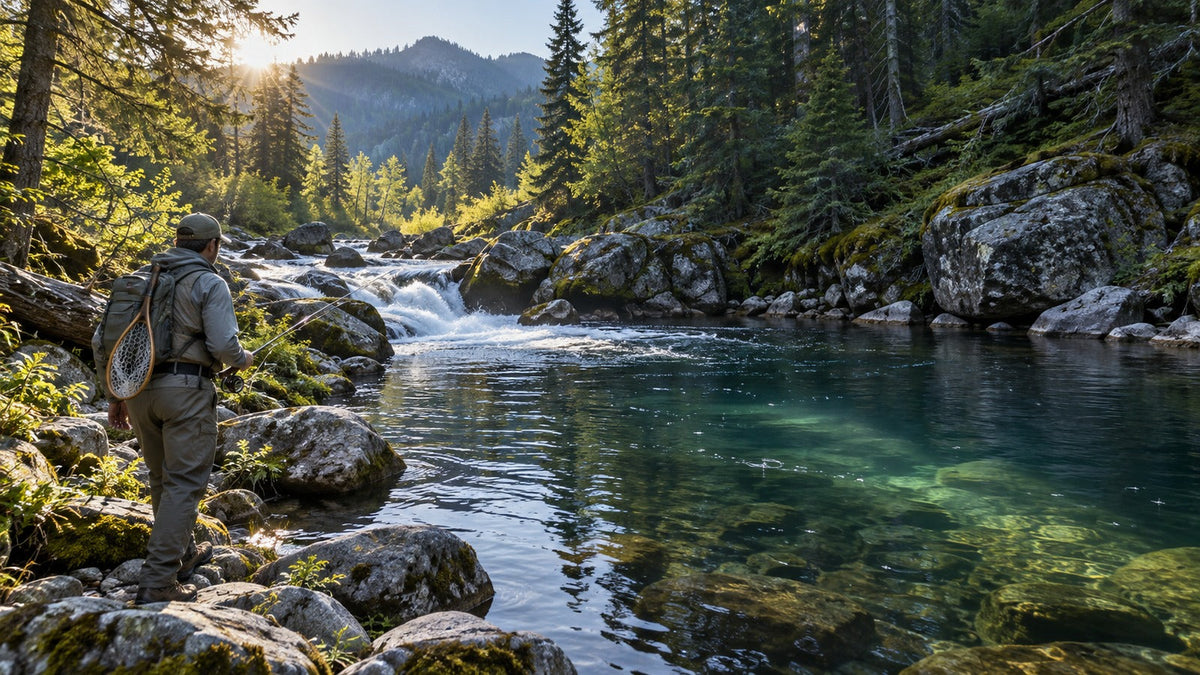
An angler can arrive at the “best” hour and still harm trout if the water is already warm. Carry a thermometer during summer. Check a representative flowing area before fishing and check again as the day warms. If the reading reaches the local agency’s caution or closure threshold, switch to a warmwater species.
In cool spring water, sunrise is not always the answer. Trout may become more active after light reaches the stream and insects begin moving. On a cold morning, late morning can give you better visibility, safer footing and more feeding activity. In fall, cooling water can reopen a longer daytime window.
What is the best season to fish for trout?
Spring and fall usually offer the widest trout windows because water is cool without the extreme conditions of winter. Summer can be productive at dawn in cold streams, tailwaters and higher elevations, but water temperature sets the stopping point.
Use the table to match the season with flow, shade and temperature. Stocking reports can help on managed waters, but they do not replace current access rules or warm-water advisories.
| Seasonal stage | Where to start | Practical adjustment |
|---|---|---|
| Spring | Cool water, new insect activity, stocked fish in some waters | Check stocking reports and flow; fish after safe access returns |
| Summer | Cool morning water, shaded reaches, higher-elevation water | Measure temperature and stop when local guidance says conditions are stressful |
| Fall | Cooling water and active feeding before winter | Expect changing light and follow seasonal regulations |
| Winter | Stable deep pools or tailwaters where legal | Fish slowly and avoid unsafe ice or bank conditions |

Use the watch for timing, not water-temperature claims
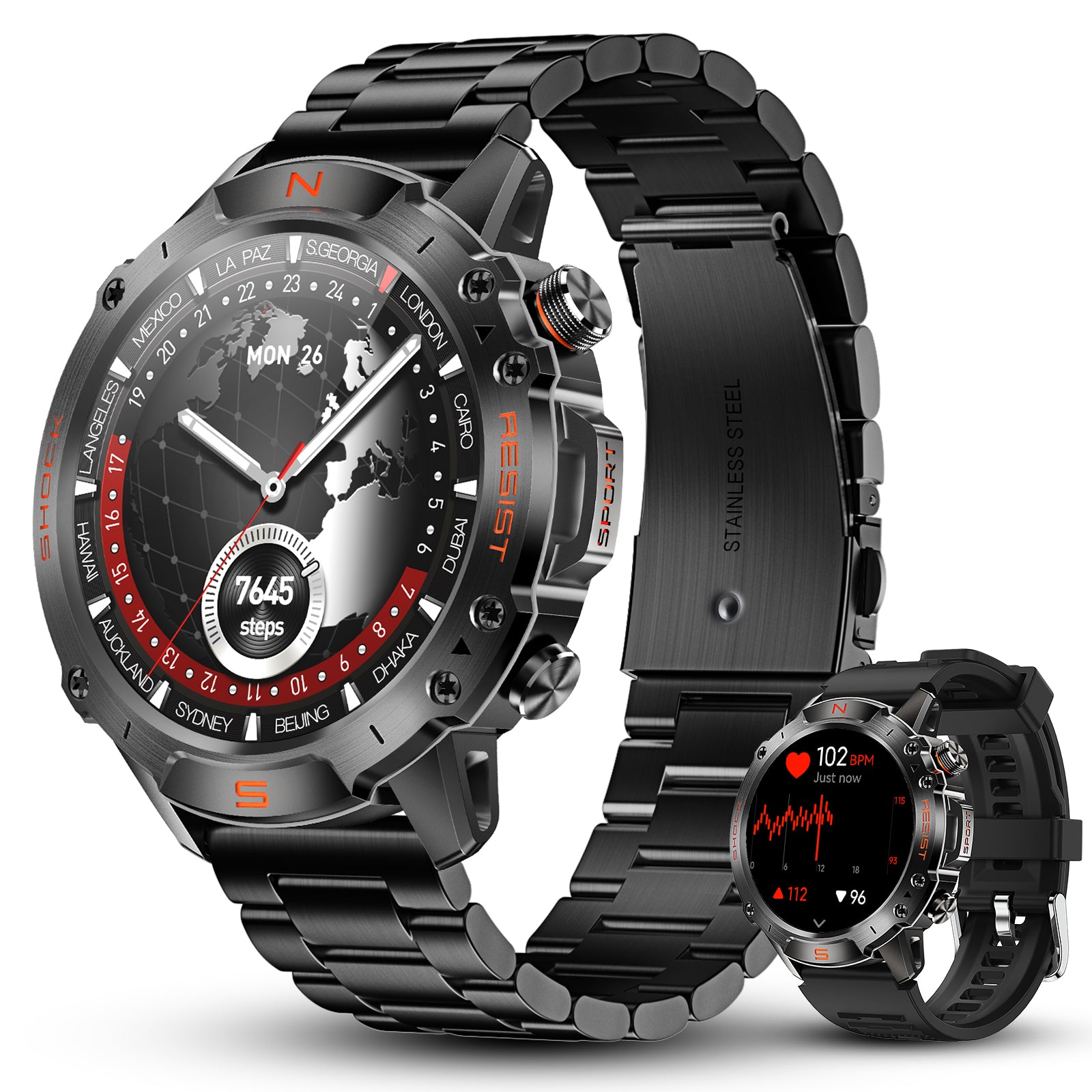
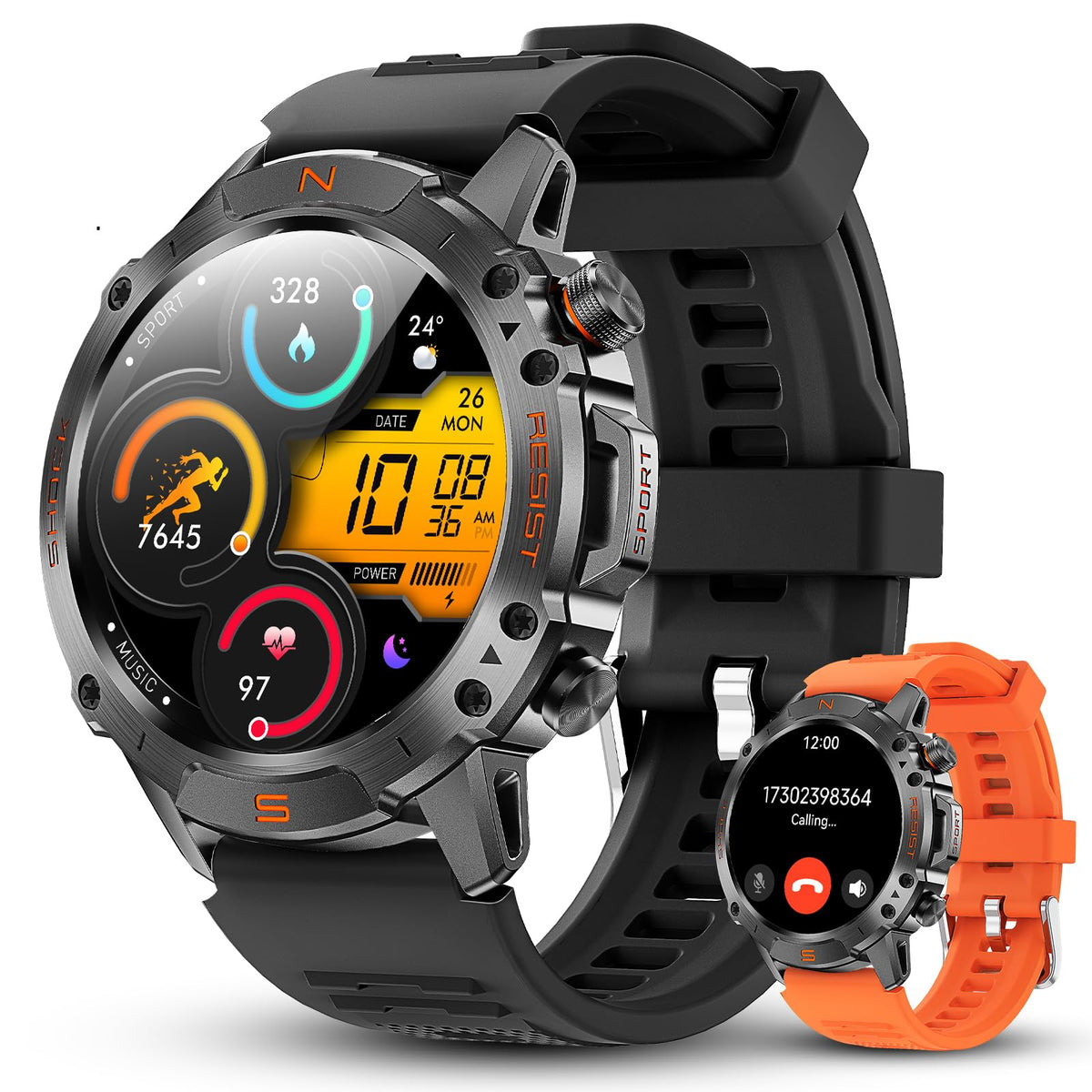
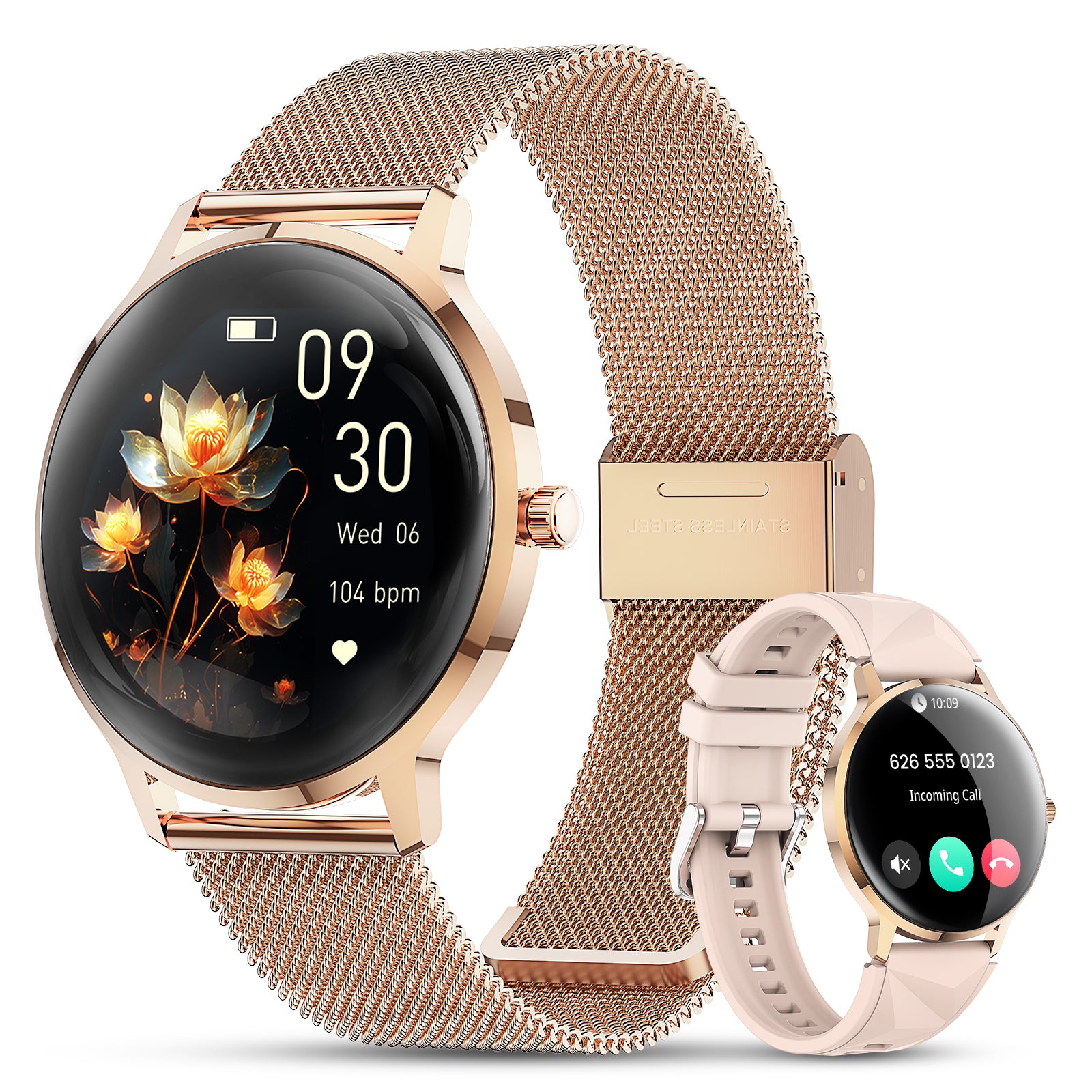
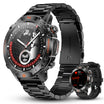
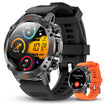
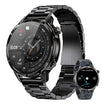
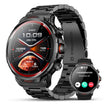
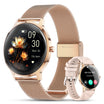
Motion 6 GPS can show sunrise and sunset, record a route and help with direction on a stream or trail. It does not measure water temperature. Carry a fishing thermometer and use the phone or agency source for closures, flow and weather warnings.

Motion 6 GPS
Keep stream timing, route recording, direction, sunrise and sunset time and outdoor context available while the phone stays protected.
$129.90$162.38
What is the best time of day?
Idaho Fish and Game recommends dawn through about two hours after sunrise as a strong trout window, with late afternoon to dusk as another option. These are starting points, not promises. On cool cloudy days or during an insect hatch, activity can continue. In summer, temperature is more important than chasing a late-evening clock window.
Think in light windows rather than fixed hours. Sunrise changes through the year. Cloud, water color, shade and wind change the amount of light below the surface. Arrive early enough to rig safely, then watch where bait and fish activity appear.
Morning
Morning often combines low light, cooler summer water and less boat traffic. It is a sensible first choice when you do not know the water. Start near a feeding route, then adjust as the sun reaches the bank.
Midday
Midday can still work. Follow the conditions into shade, current, stained water, deeper edges or heavier cover. In cool seasons, a few hours of sun may improve a shallow area. The useful move depends on what the water has been doing, not on a rule that noon is always bad.
Evening and night
Falling light can bring fish toward shallower feeding areas. Plan the return route before darkness, carry a backup light and follow access-hour rules. Night fishing is not worth an unsafe bank, unfamiliar navigation or severe weather.

How weather and water change the window
Cloud can reduce glare and make fish less wary, while rain may change flow and clarity. A small clear stream can become unsafe quickly after heavy rain. Wind can help on lakes but make delicate stream presentation difficult. Check the specific water, not only a city forecast.
Use water temperature as context
Massachusetts guidance describes roughly 34–67°F as an ideal catch range for trout, while Maryland advises that temperatures above 68°F can create poor fishing and handling stress. Local agencies may use different thresholds. Measure the water, follow local closures and switch species when conditions are too warm.
Air temperature is not water temperature. Shallow coves react faster than deep main-lake water. Rivers respond to flow and upstream weather. Measure in a consistent place, or treat an app reading as a regional estimate rather than a value at your lure.
Wind, cloud and rain
Wind can move surface water and food, but it also affects casting, boat control and the trip home. Cloud changes light. Rain may change flow, clarity and access. Check official alerts first. Lightning, flooding, unsafe waves and extreme heat or cold override any predicted bite.

A responsible two-hour trout plan
- Check the water-specific rules, flow and any temperature advisory.
- Measure water temperature before rigging in warm weather.
- Start where cool, oxygenated water meets current, depth or cover.
- Follow visible insect activity instead of changing flies at random.
- Land fish quickly and stop when temperature or handling stress becomes unsafe.
A simple plan for your next trout trip
- Read the water-specific season, gear and catch rules.
- Check flow, recent rain and any temperature closure.
- Measure water temperature before fishing and again as the day warms.
- Start where cool, oxygenated water meets cover or current.
- Land and release fish quickly; keep them in the water when required or advisable.
Give each location a fair test, but do not stay because it matched an online chart. A small log is more valuable than a universal score. Record blank trips too; otherwise your history will overstate the conditions that worked.
For a broader check of wind, cloud, temperature and safety, use our best weather for fishing guide. To organize the trip window, see the fishing forecast and calendar guide.
Know when the planned window has changed
A good schedule is a starting hypothesis. Change it when the water gives better evidence. Bait disappearing, a wind shift, a fast change in clarity, rising boat traffic or several contacts at a new depth all matter more than the hour printed on a chart. Make one controlled adjustment at a time. Change depth before changing every lure. Change location when the habitat no longer matches the seasonal stage.
Bank anglers should protect their return route and work reachable transitions. Boat anglers can compare more depths, but they also need a wind and fuel margin for the trip home. If you are new to the water, shorten the first session and learn the access points in daylight. A repeatable two-hour trip can teach more than an all-day trip built around a vague promise.
Use local evidence
Fish calendars become more useful when paired with current agency reports and your own log. Regional guidance such as Massachusetts Division of Fisheries & Wildlife – Stocked Trout Guide describes real seasonal patterns, but local regulations and current conditions still control the trip. Compare notes from the same water, season and depth rather than mixing reports from unrelated climates.
What Motion 6 GPS can add
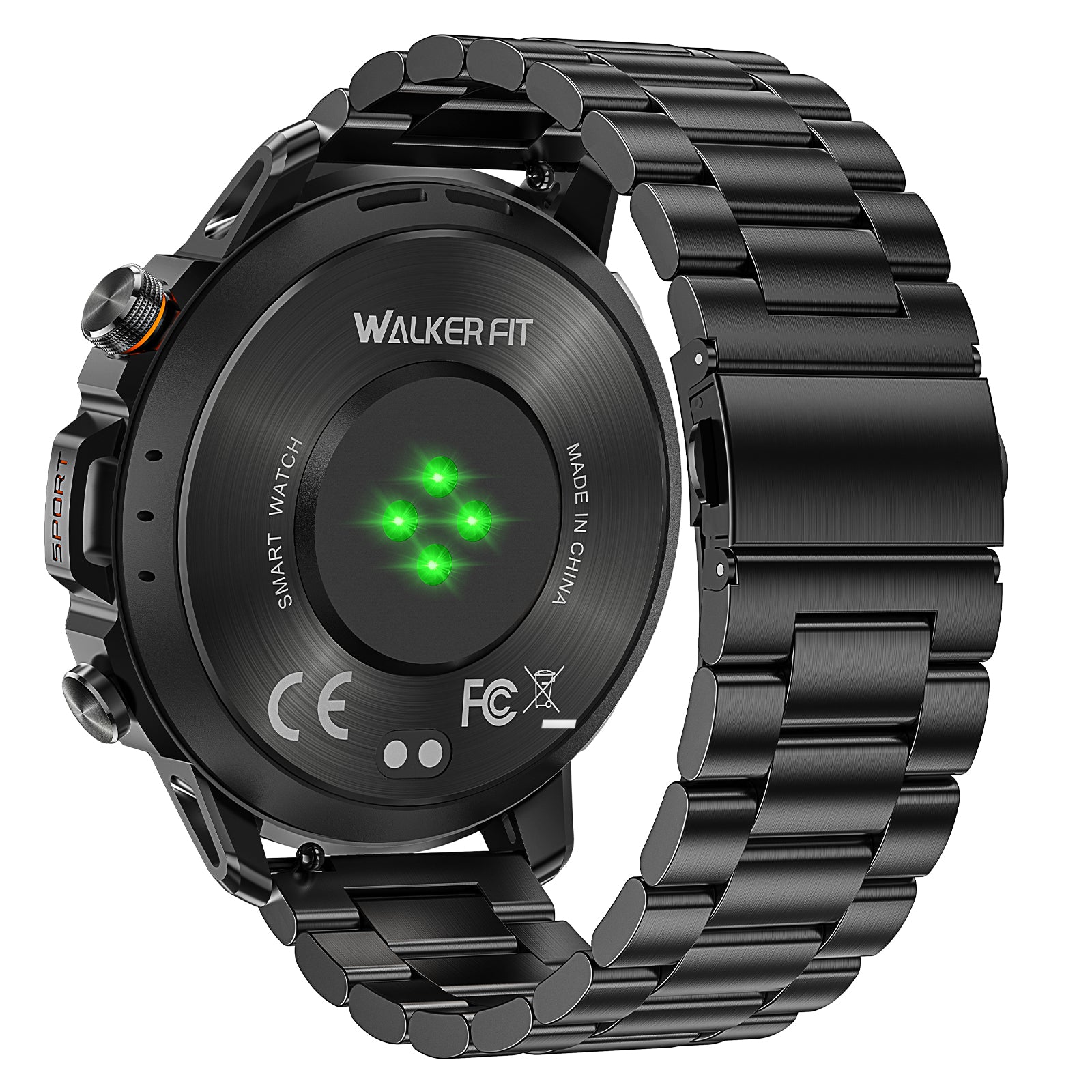
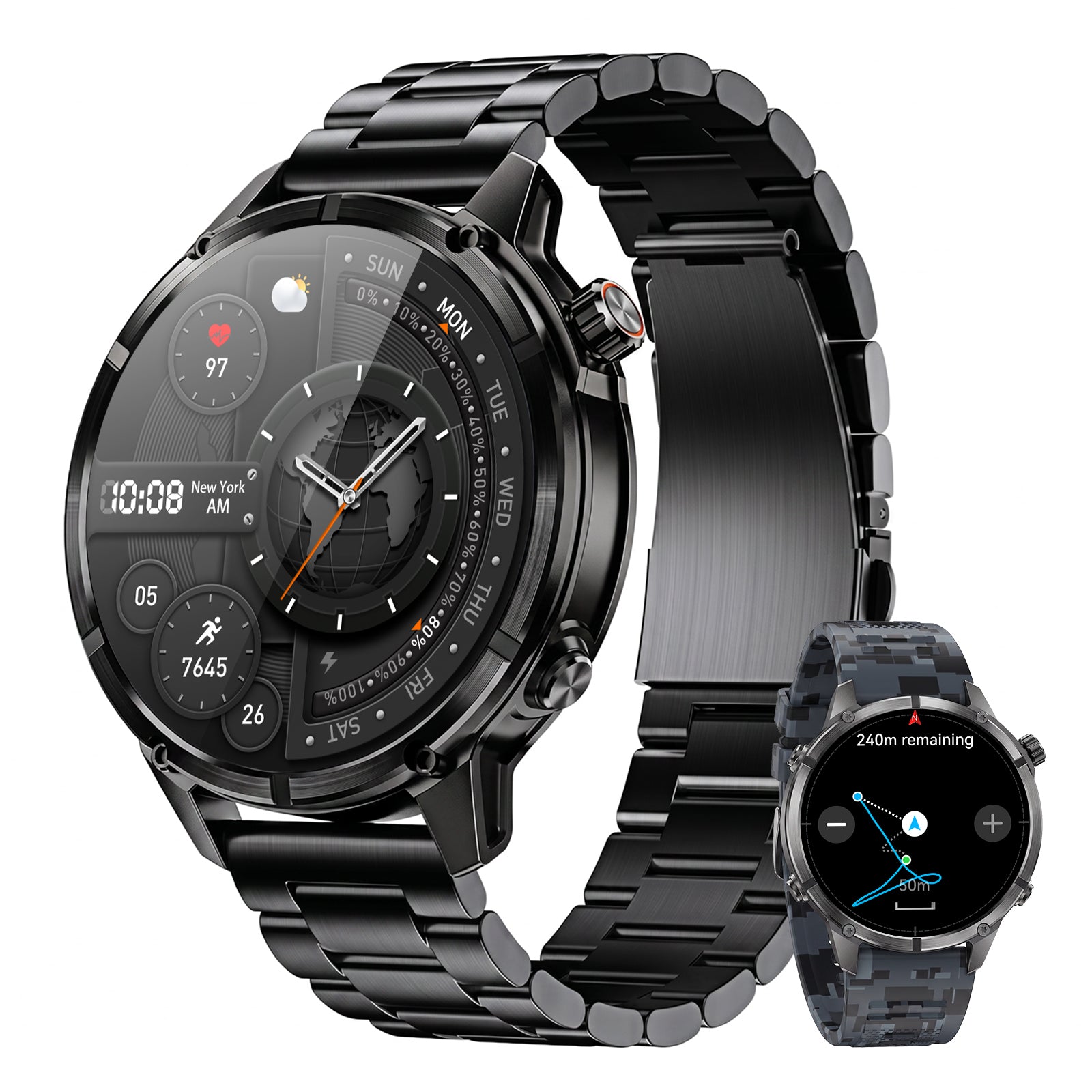
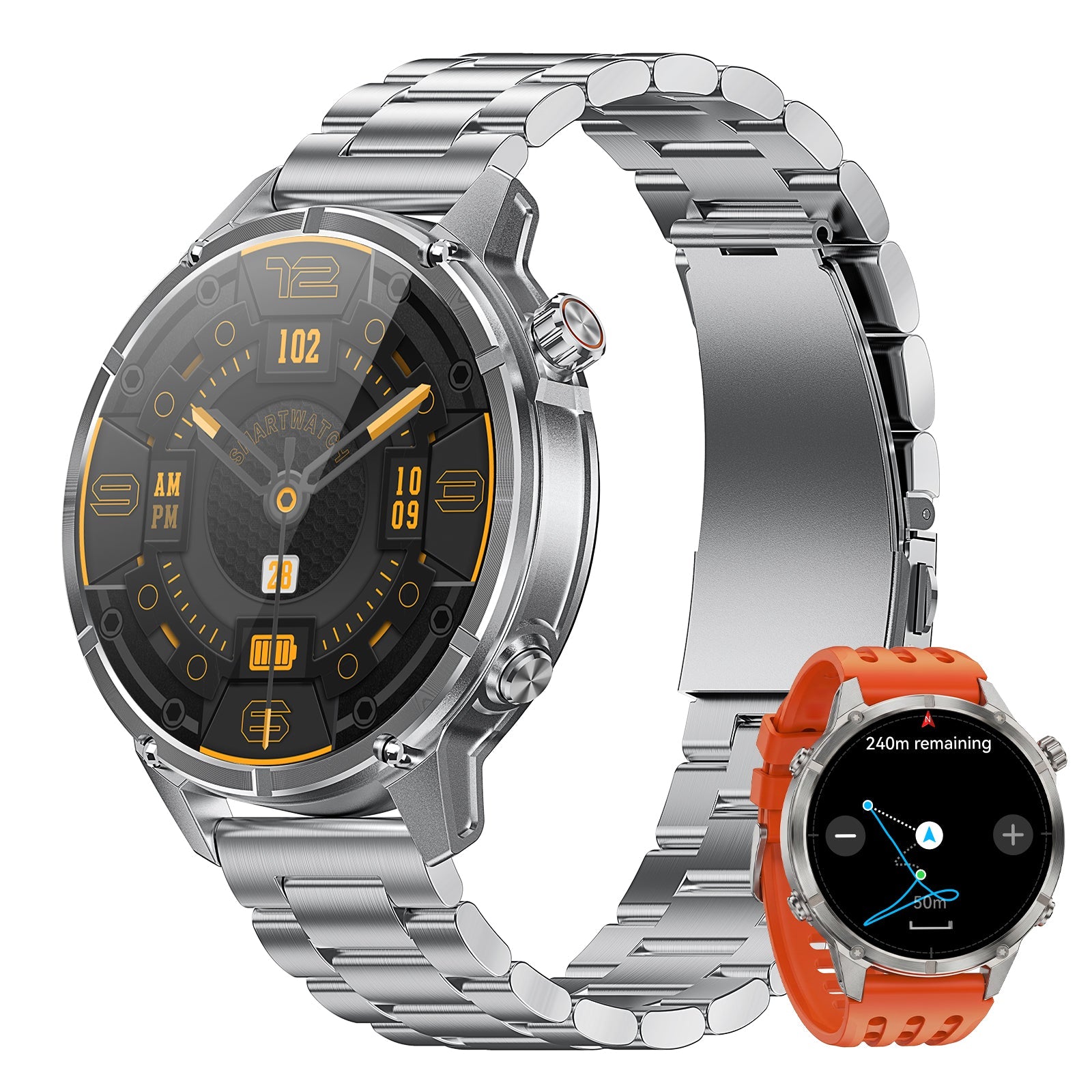
A watch should support the plan, not pretend to predict fish. Motion 6 GPS can record a route, show direction, and provide local barometric pressure and altitude context. It also shows sunrise and sunset times. It does not provide tide tables, solunar predictions, onboard maps or official extreme-weather alerts.
Motion 6 GPS
Record your route and keep direction, sunrise and sunset, barometric pressure, altitude, health, activity, calling, music and notifications on one outdoor watch.
$129.90$162.38
Motion 6 GPS combines a 1.43-inch AMOLED display, four physical buttons, multi-satellite route recording, compass, barometer, altimeter and 5 ATM water resistance. Typical battery life is rated at 14–15 days, with 20–24 hours of continuous GPS use. Use the phone for detailed maps, regulations and official alerts.

Frequently asked questions
What is the best time of day to fish for trout?
Early morning is often a strong choice. Late afternoon can also work, but in warm weather water temperature and fish welfare matter more than the clock.
What water temperature is best for trout fishing?
Many trout feed well in cool water. Agency guidance commonly treats the mid-60s Fahrenheit as a caution zone and about 68°F or higher as stressful, but follow local rules.
Is spring or fall better for trout?
Both can be good. Spring may include stocking and rising insect activity; fall brings cooling water. Flow, access, species and regulations decide the better local window.
Should I fish for trout during a heat wave?
Check the water temperature and local advisory. If water is warm enough to stress trout, target a warmwater species or postpone the trip.
Plan the window, then let the water answer
The best time to fish for trout is a combination of season, light, water and access. Choose a strong starting window, bring a second depth or location, and record what actually happens. That approach travels better than a single month, temperature or pressure number. Review the pattern after several trips before treating it as a local rule.