

You caught crappie yesterday—why are they gone today?
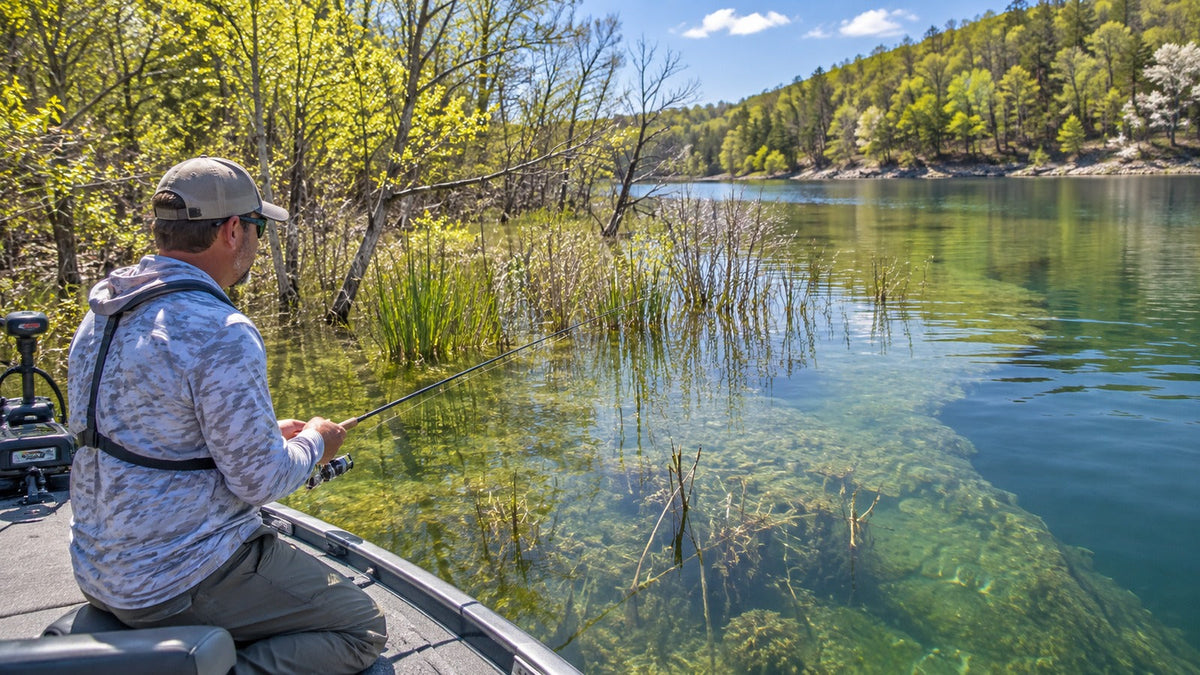
Crappie often have not left the area; they have changed depth. A cold night can pull spring fish from the bank to the first drop or the outside edge of cover. Bright sun can move fish deeper under a dock. In summer, suspended schools may shift several feet vertically while remaining near the same brush, channel or timber.
That is why “best time of day” is only part of the answer. After the first bite, note the depth—not merely the location. If the bite stops, search one level above and below before leaving. A school holding at 12 feet over 20 feet of water will not be found by fishing every cast near the bottom.
What is the best season to fish for crappie?
Spring is the simplest crappie season because spawning movement brings fish closer to visible shore cover. The exact week changes by region and water clarity. In clear water, fish may spawn deeper than expected.
Summer, fall and winter are less about a calendar date and more about finding a suspended school. Use the table to select likely cover, then search several depths around it.
| Seasonal stage | Where to start | Practical adjustment |
|---|---|---|
| Early spring | Warm protected coves, canals, inlets and dark-bottom shallows | Search several depths near cover before assuming fish are on the bank |
| Spawn | Shallow vegetation, wood, gravel or protected banks | Move quietly and note that clear-water fish may spawn deeper |
| Summer | Suspended fish, brush, timber, docks and thermocline edges | Count down or use electronics to repeat the productive depth |
| Fall | Docks, weed lines, points, channels and brush | Follow bait and revisit productive cover at multiple depths |
| Winter | Deep cover or suspended schools, with occasional shallow moves | Use slow presentations and let daily conditions override the rule |

Save the route between productive cover
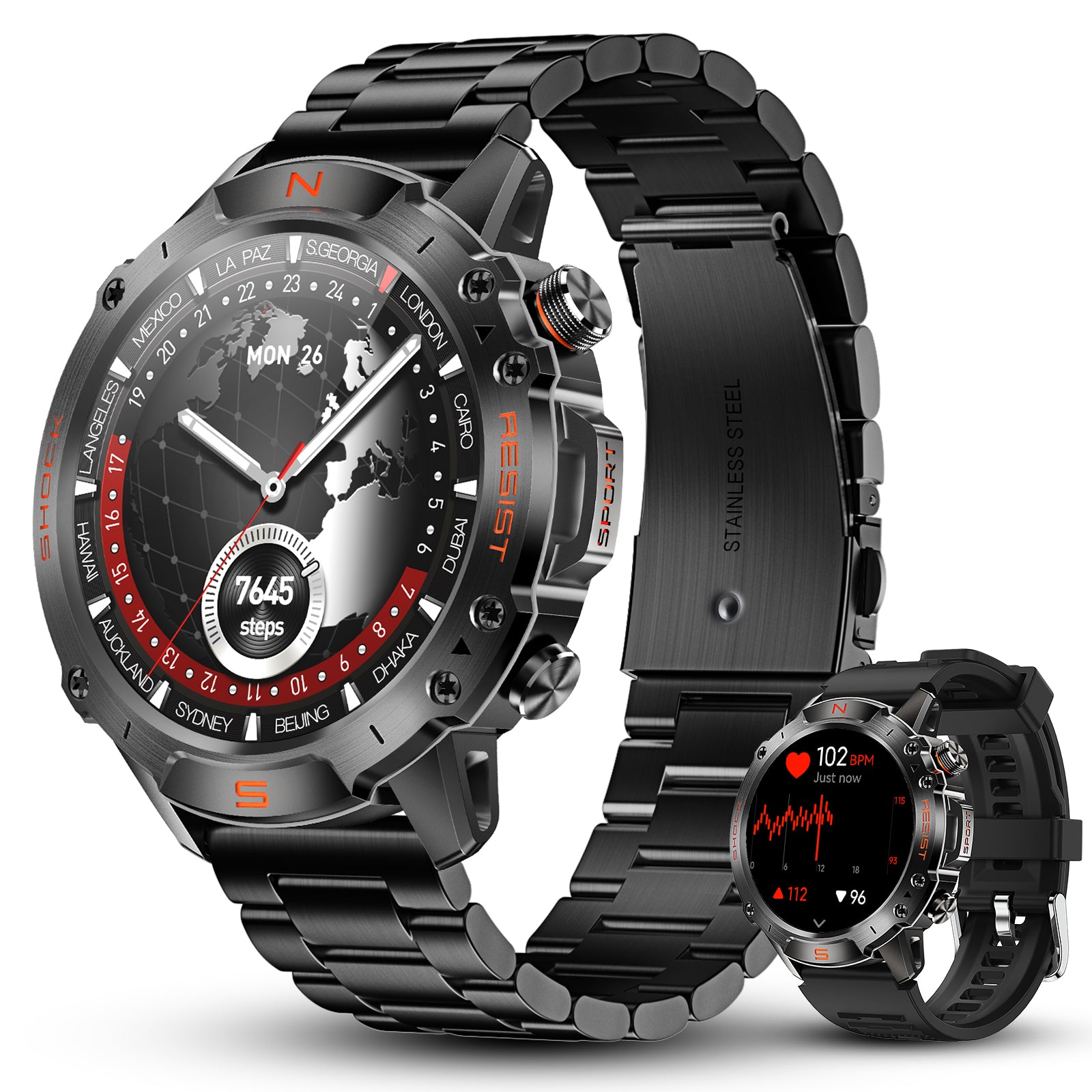
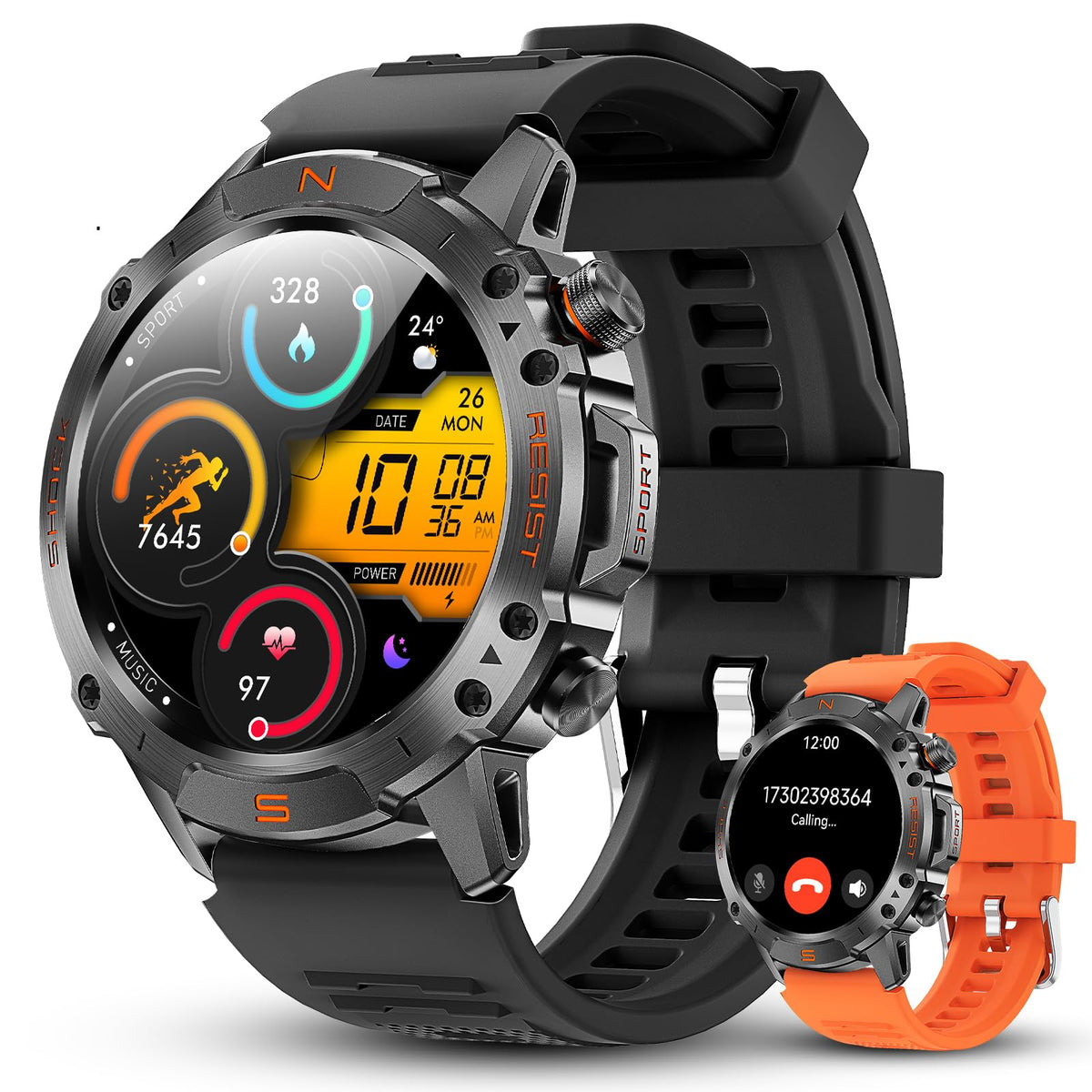
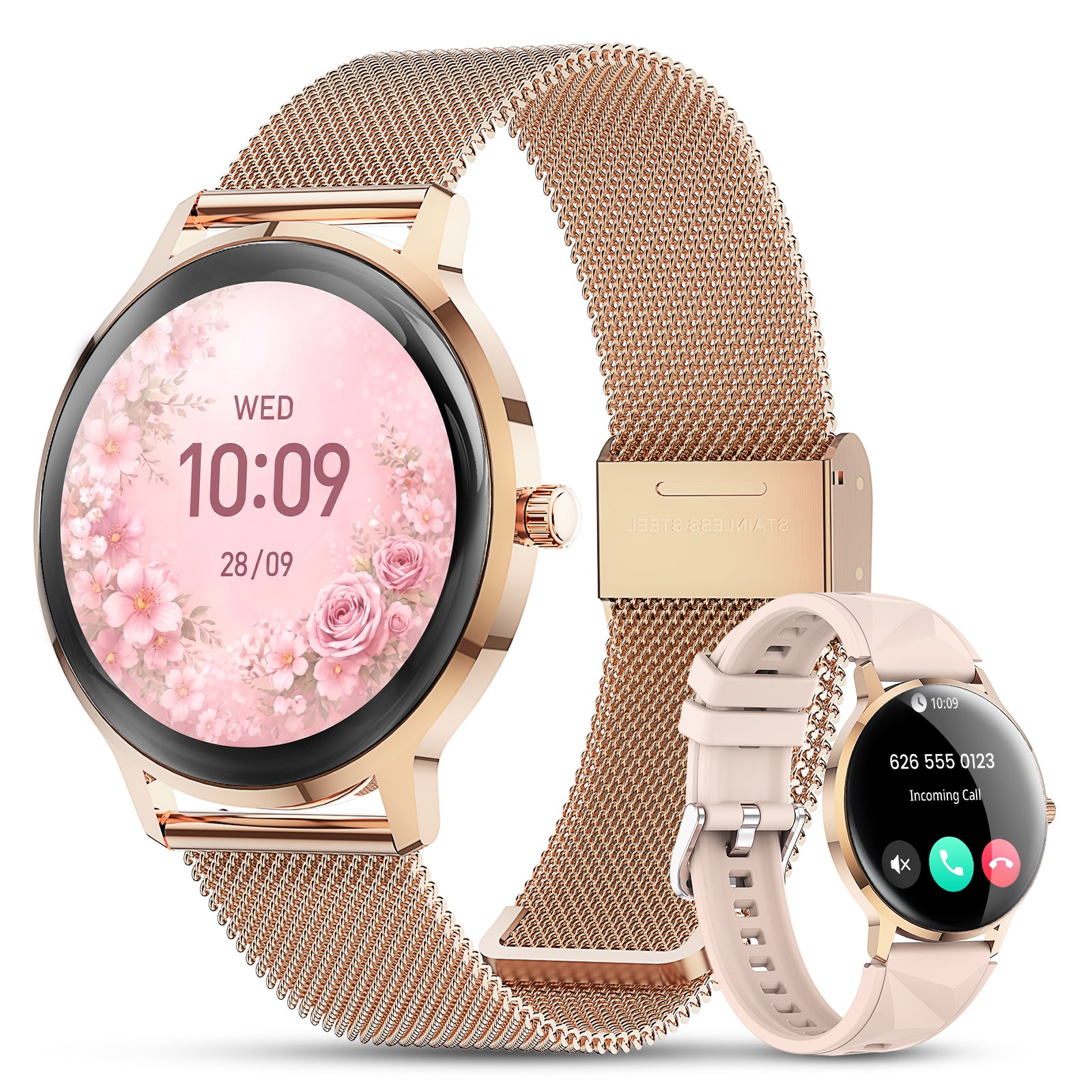
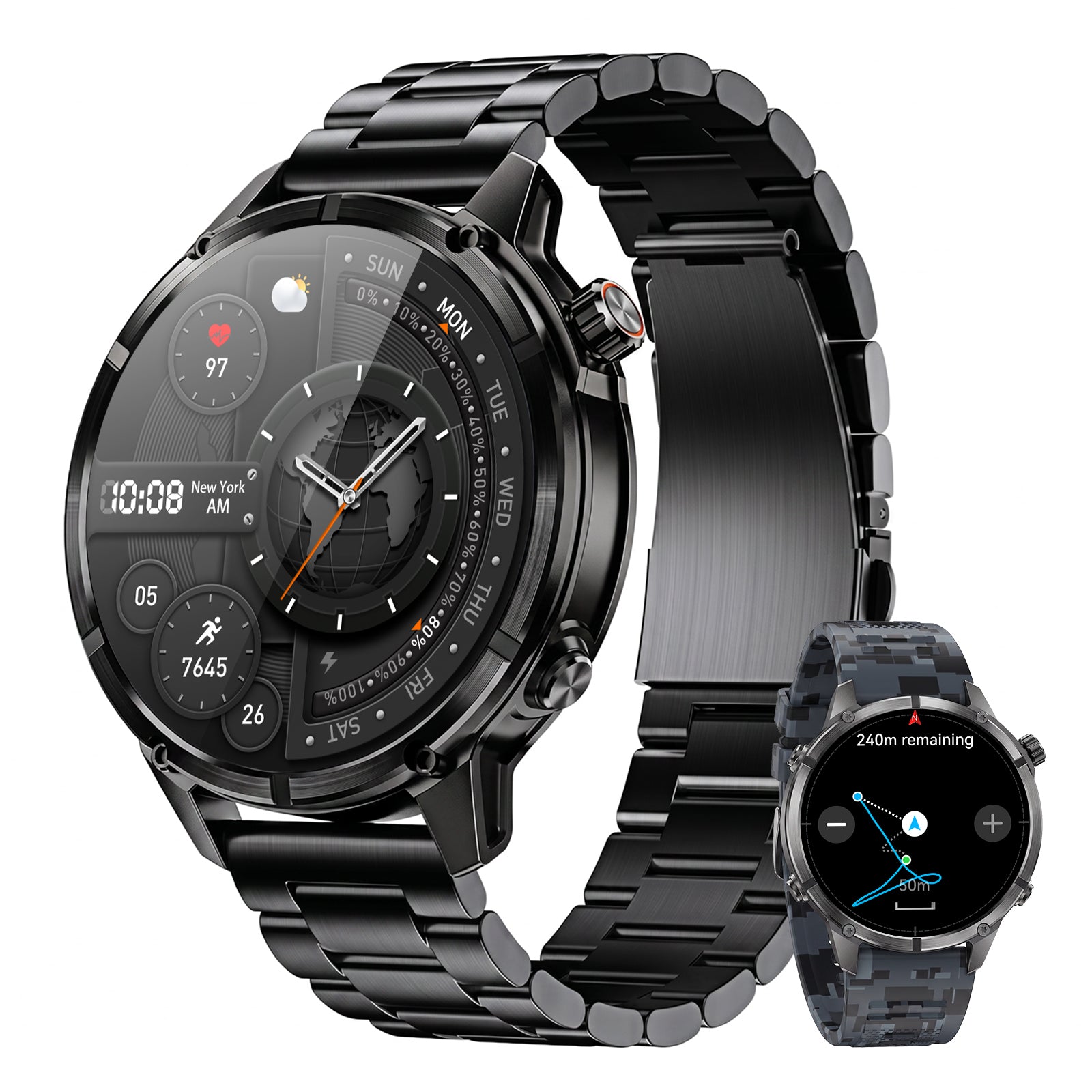
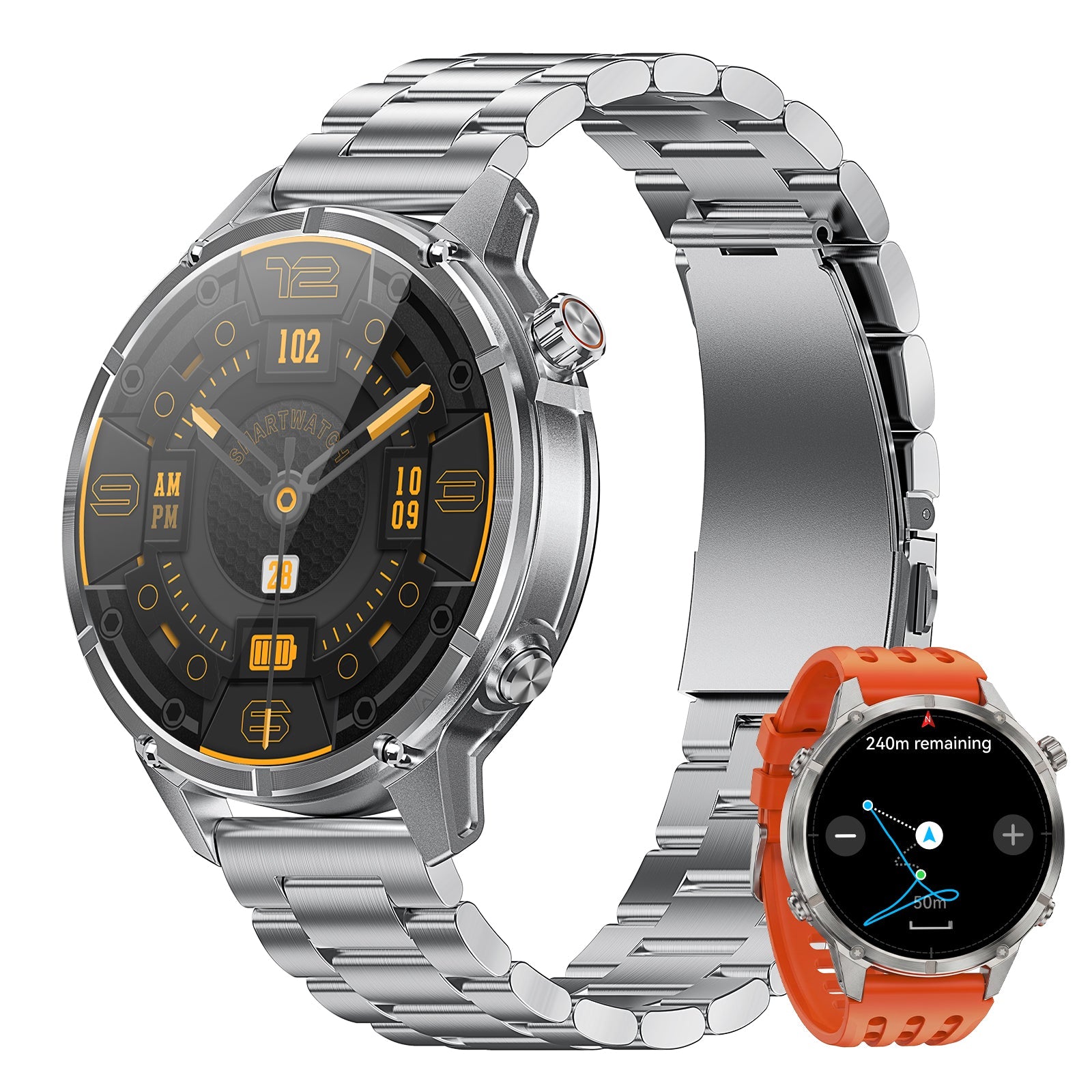
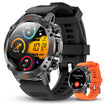
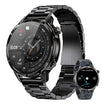
When crappie are scattered among coves, docks or brush, route recording helps you repeat an efficient search instead of wandering. Motion 6 GPS can keep direction and time visible while a phone or fish finder handles maps and detailed depth information.

Motion 6 GPS
Record a cove-to-cove crappie route and keep direction, sunrise and sunset time, barometric context and everyday smartwatch tools available.
$129.90$162.38
What is the best time of day?
Wisconsin DNR notes feeding peaks in early morning and evening, but crappie can bite throughout the day. Shade under docks, stained water, cloud and depth can extend activity. In summer, night fishing around legal lights can be productive in some reservoirs. The practical task is to locate the school and repeat its depth.
Think in light windows rather than fixed hours. Sunrise changes through the year. Cloud, water color, shade and wind change the amount of light below the surface. Arrive early enough to rig safely, then watch where bait and fish activity appear.
Morning
Morning often combines low light, cooler summer water and less boat traffic. It is a sensible first choice when you do not know the water. Start near a feeding route, then adjust as the sun reaches the bank.
Midday
Midday can still work. Follow the conditions into shade, current, stained water, deeper edges or heavier cover. In cool seasons, a few hours of sun may improve a shallow area. The useful move depends on what the water has been doing, not on a rule that noon is always bad.
Evening and night
Falling light can bring fish toward shallower feeding areas. Plan the return route before darkness, carry a backup light and follow access-hour rules. Night fishing is not worth an unsafe bank, unfamiliar navigation or severe weather.

How weather and water change the window
A spring cold front can pull fish away from the bank without sending them across the lake. Missouri guidance recommends checking steeper banks nearby. Warm stable days may move fish shallower. Water clarity affects spawning depth, so a clear lake and a muddy reservoir should not share the same plan.
Use water temperature as context
Missouri reports spawning may begin near 55°F, while Iowa gives a broader 56–64°F range. Those numbers describe regional observations, not an exact switch. Track warming trends, daylight, cover and actual fish position.
Air temperature is not water temperature. Shallow coves react faster than deep main-lake water. Rivers respond to flow and upstream weather. Measure in a consistent place, or treat an app reading as a regional estimate rather than a value at your lure.
Wind, cloud and rain
Wind can move surface water and food, but it also affects casting, boat control and the trip home. Cloud changes light. Rain may change flow, clarity and access. Check official alerts first. Lightning, flooding, unsafe waves and extreme heat or cold override any predicted bite.

A 60-minute crappie search
- Choose one cover type: docks, brush, timber, weeds or a channel edge.
- Test three depths around that cover before changing locations.
- After a bite, repeat the exact depth with the next three casts.
- If the school disappears, search slightly deeper, shallower or outside the cover.
- Leave only after the depth search fails—not because the clock says the window ended.
A simple plan for your next crappie trip
- Check current crappie limits and any site-specific rules.
- Choose three depths around the same type of cover.
- Begin in a protected warming area in spring or near deeper cover in summer.
- After one bite, repeat the exact depth before moving.
- Record water clarity, temperature, cover, depth and time.
Give each location a fair test, but do not stay because it matched an online chart. A small log is more valuable than a universal score. Record blank trips too; otherwise your history will overstate the conditions that worked.
For a broader check of wind, cloud, temperature and safety, use our best weather for fishing guide. To organize the trip window, see the fishing forecast and calendar guide.
Know when the planned window has changed
A good schedule is a starting hypothesis. Change it when the water gives better evidence. Bait disappearing, a wind shift, a fast change in clarity, rising boat traffic or several contacts at a new depth all matter more than the hour printed on a chart. Make one controlled adjustment at a time. Change depth before changing every lure. Change location when the habitat no longer matches the seasonal stage.
Bank anglers should protect their return route and work reachable transitions. Boat anglers can compare more depths, but they also need a wind and fuel margin for the trip home. If you are new to the water, shorten the first session and learn the access points in daylight. A repeatable two-hour trip can teach more than an all-day trip built around a vague promise.
Use local evidence
Fish calendars become more useful when paired with current agency reports and your own log. Regional guidance such as Missouri Department of Conservation – Crappie Tips describes real seasonal patterns, but local regulations and current conditions still control the trip. Compare notes from the same water, season and depth rather than mixing reports from unrelated climates.
What Motion 6 GPS can add
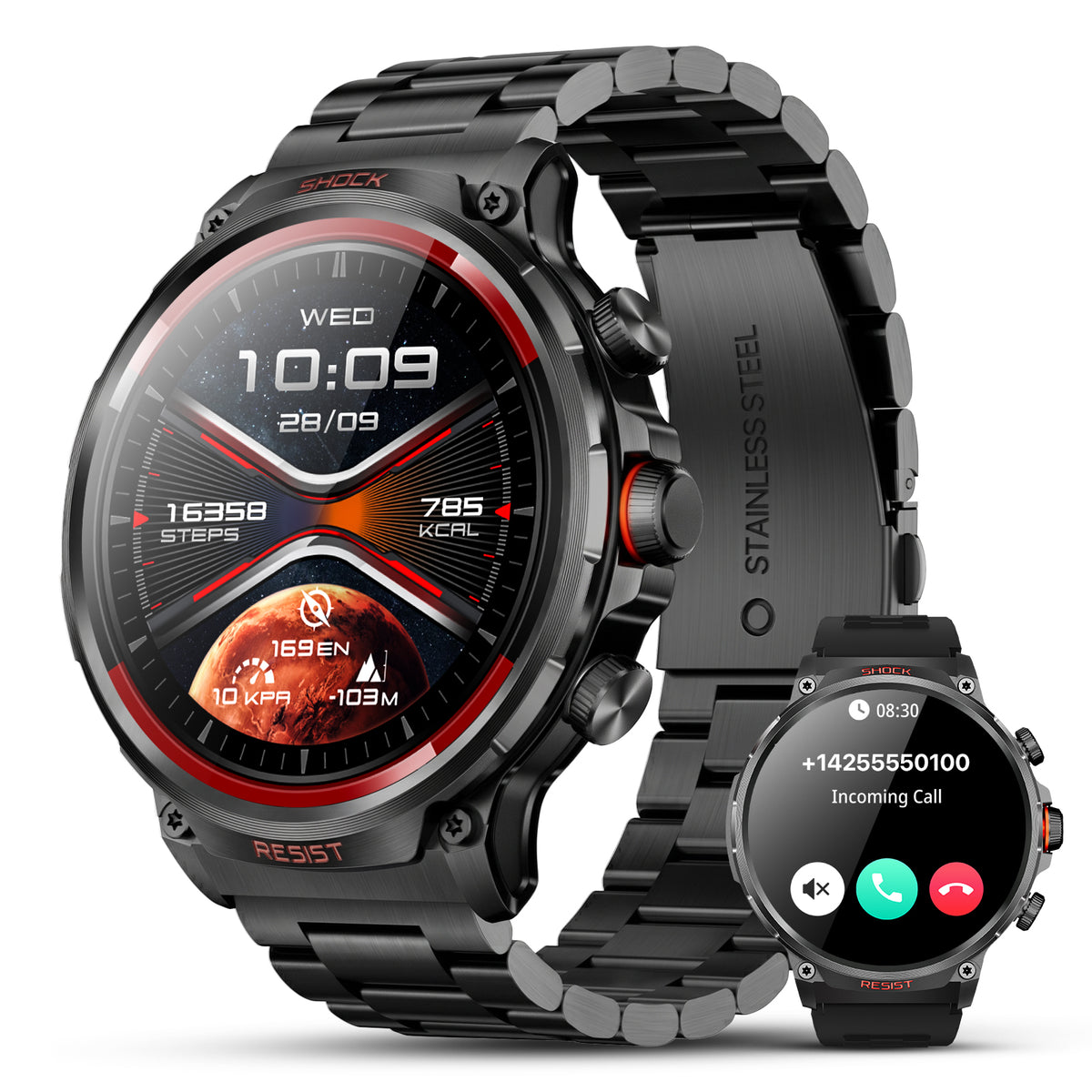
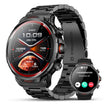
A watch should support the plan, not pretend to predict fish. Motion 6 GPS can record a route, show direction, and provide local barometric pressure and altitude context. It also shows sunrise and sunset times. It does not provide tide tables, solunar predictions, onboard maps or official extreme-weather alerts.
Motion 6 GPS
Record your route and keep direction, sunrise and sunset, barometric pressure, altitude, health, activity, calling, music and notifications on one outdoor watch.
$129.90$162.38
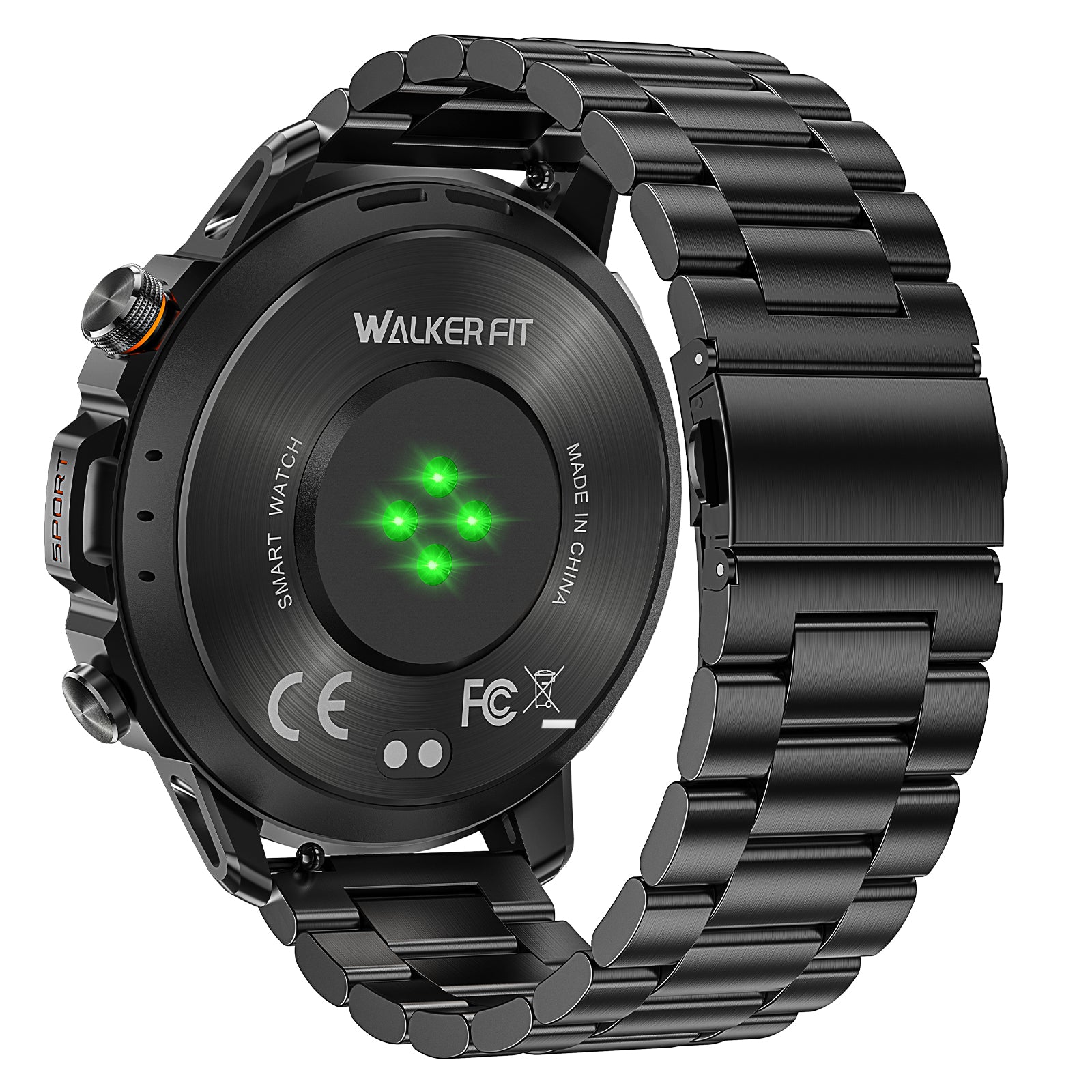
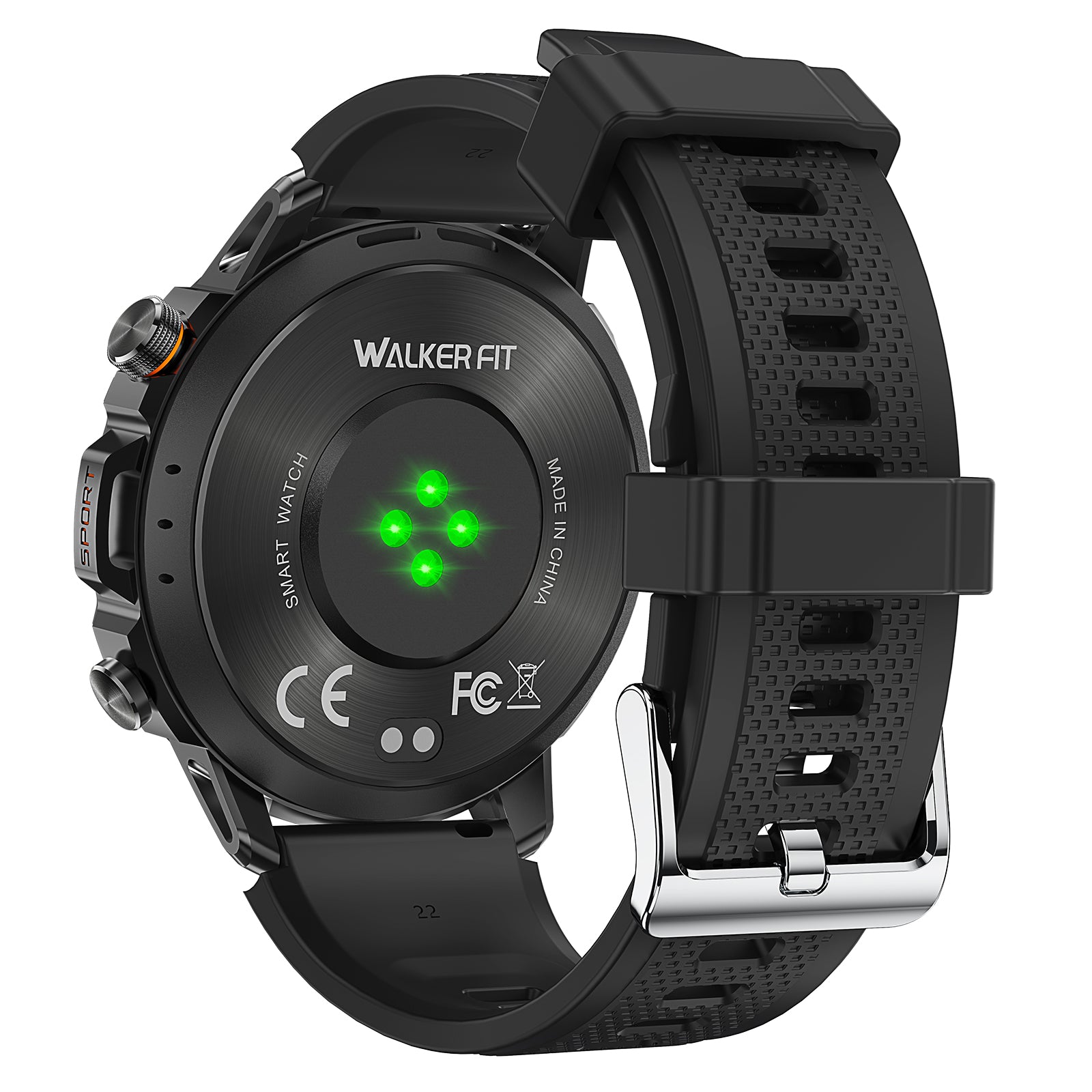
Motion 6 GPS combines a 1.43-inch AMOLED display, four physical buttons, multi-satellite route recording, compass, barometer, altimeter and 5 ATM water resistance. Typical battery life is rated at 14–15 days, with 20–24 hours of continuous GPS use. Use the phone for detailed maps, regulations and official alerts.

Frequently asked questions
What month is best for crappie fishing?
Spring is often easiest, but the month changes by latitude and weather. Follow the warming trend and fish movement rather than one national date.
What time of day is best for crappie?
Early morning and evening can be strong. Crappie also feed during the day when you find the correct cover and suspended depth.
What water temperature do crappie spawn in?
State-agency guidance commonly places spawning in the mid-50s to low-60s Fahrenheit, with local variation.
Where do crappie go after spring?
Many move deeper or suspend near brush, timber, channels, docks or the thermocline. Search depth methodically.
Plan the window, then let the water answer
The best time to fish for crappie is a combination of season, light, water and access. Choose a strong starting window, bring a second depth or location, and record what actually happens. That approach travels better than a single month, temperature or pressure number. Review the pattern after several trips before treating it as a local rule.