

Quick answer
- Best value for familiar rivers: WalkerFit Motion 6 GPS — built-in GPS, route recording, compass, barometer, altimeter, physical buttons and 5 ATM water resistance for $129.90.
- Best for rough wading and long outdoor use: Garmin Instinct 3 Solar — 10 ATM, multi-band GPS, barometric altimeter and solar-assisted battery.
- Best for maps and fly-fishing records: COROS NOMAD — maps, tides, fishing modes, saved locations and catch notes.
None of these choices replaces safe wading, local river knowledge or a suitable communication plan.
Three fly fishing watches for three kinds of water
Fly anglers do not all fish the same way. One person walks a known bank for two hours. Another crosses slippery current and stays outside all day. A third explores new water and wants maps, saved locations and fishing records on the wrist. Start with the river style, then pay for the tools that solve it.
WalkerFit Motion 6 GPS
Choose it if: you fish known rivers, ponds and access trails and want useful outdoor data without paying for maps or fishing software.
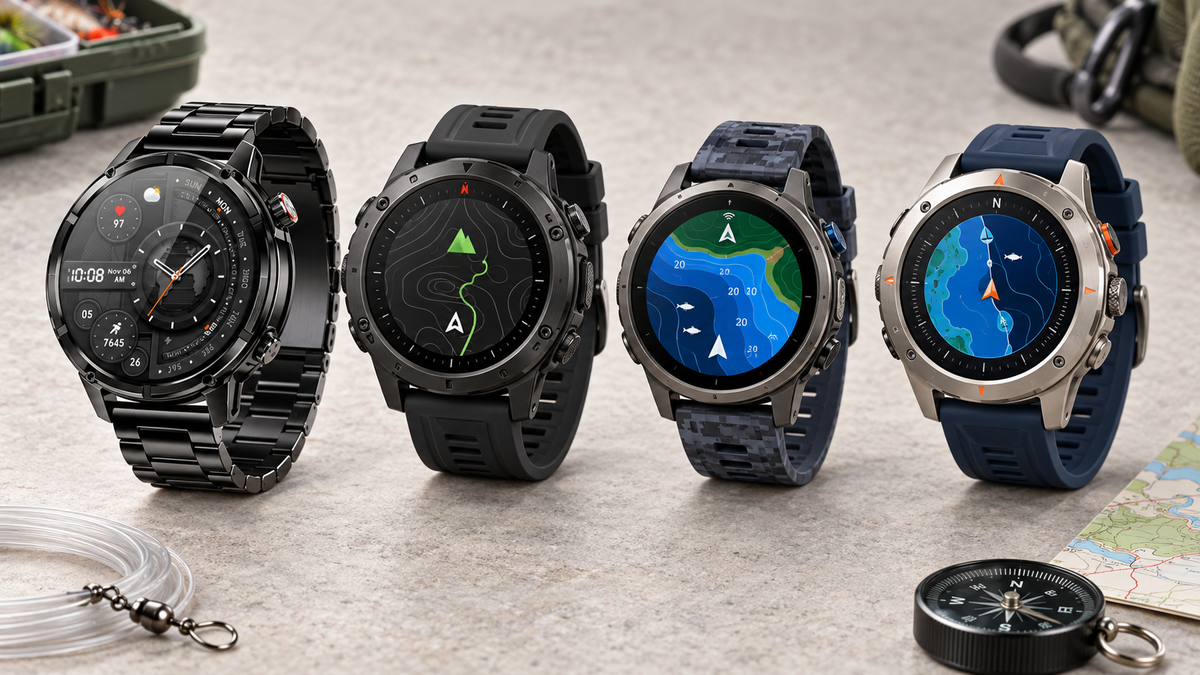
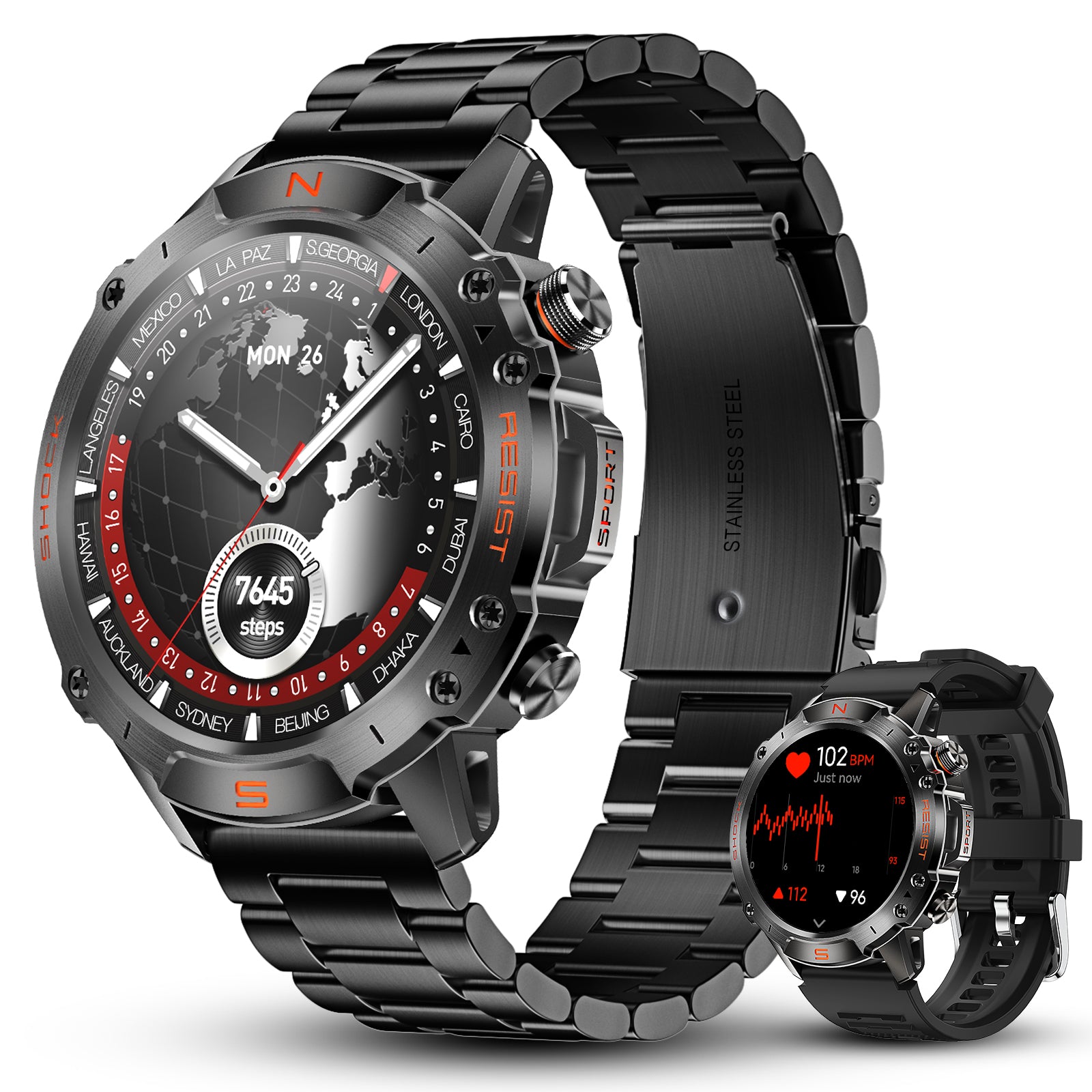
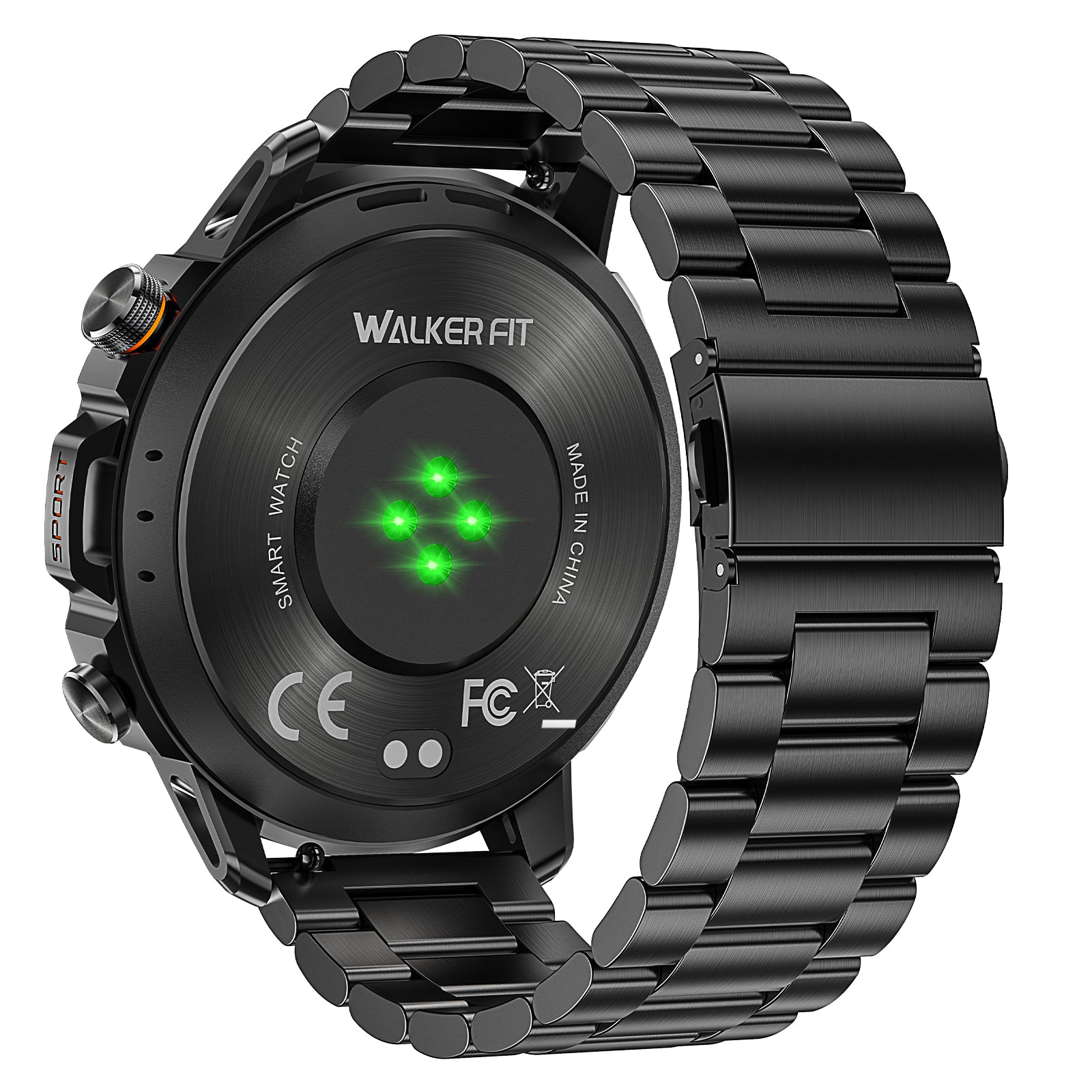
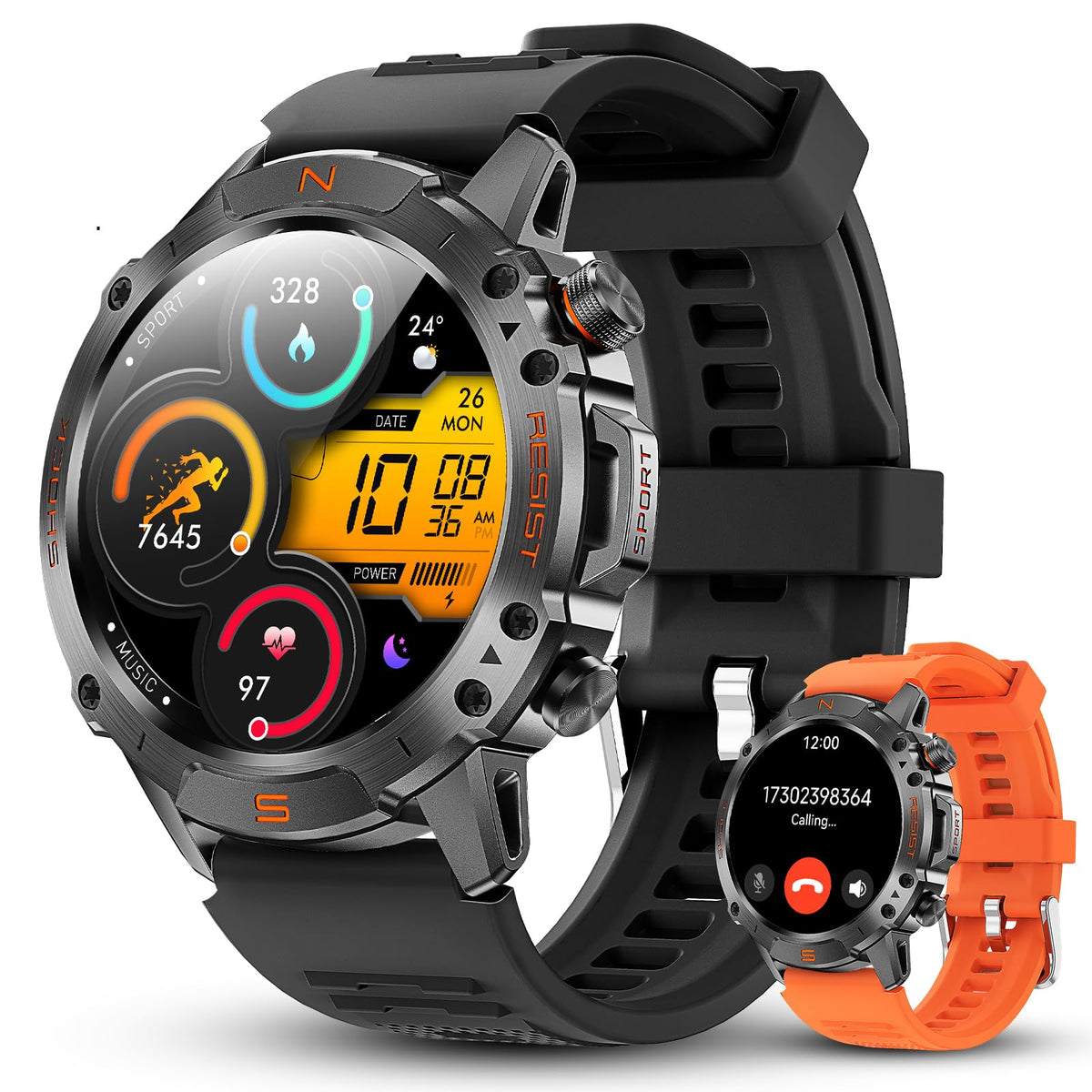
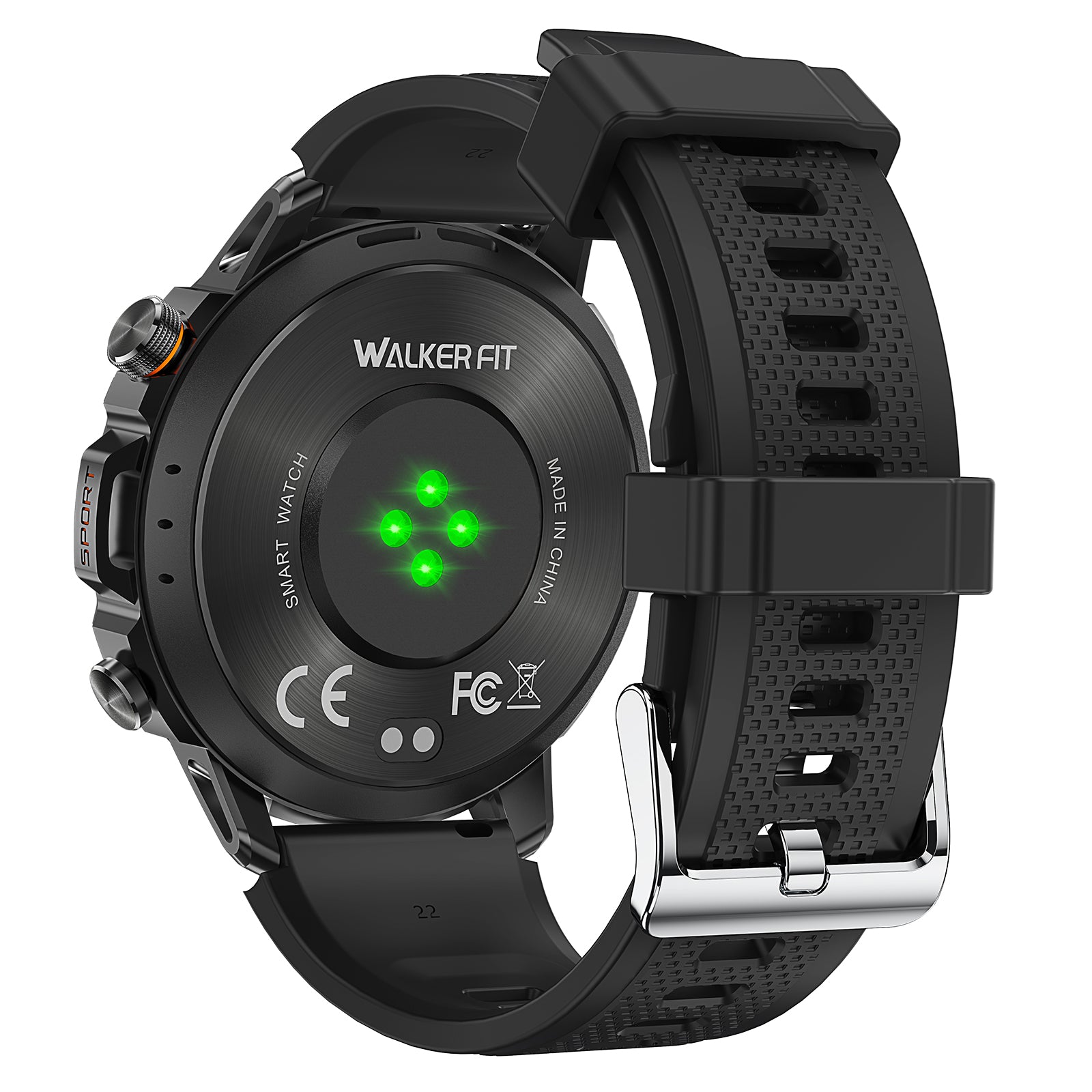
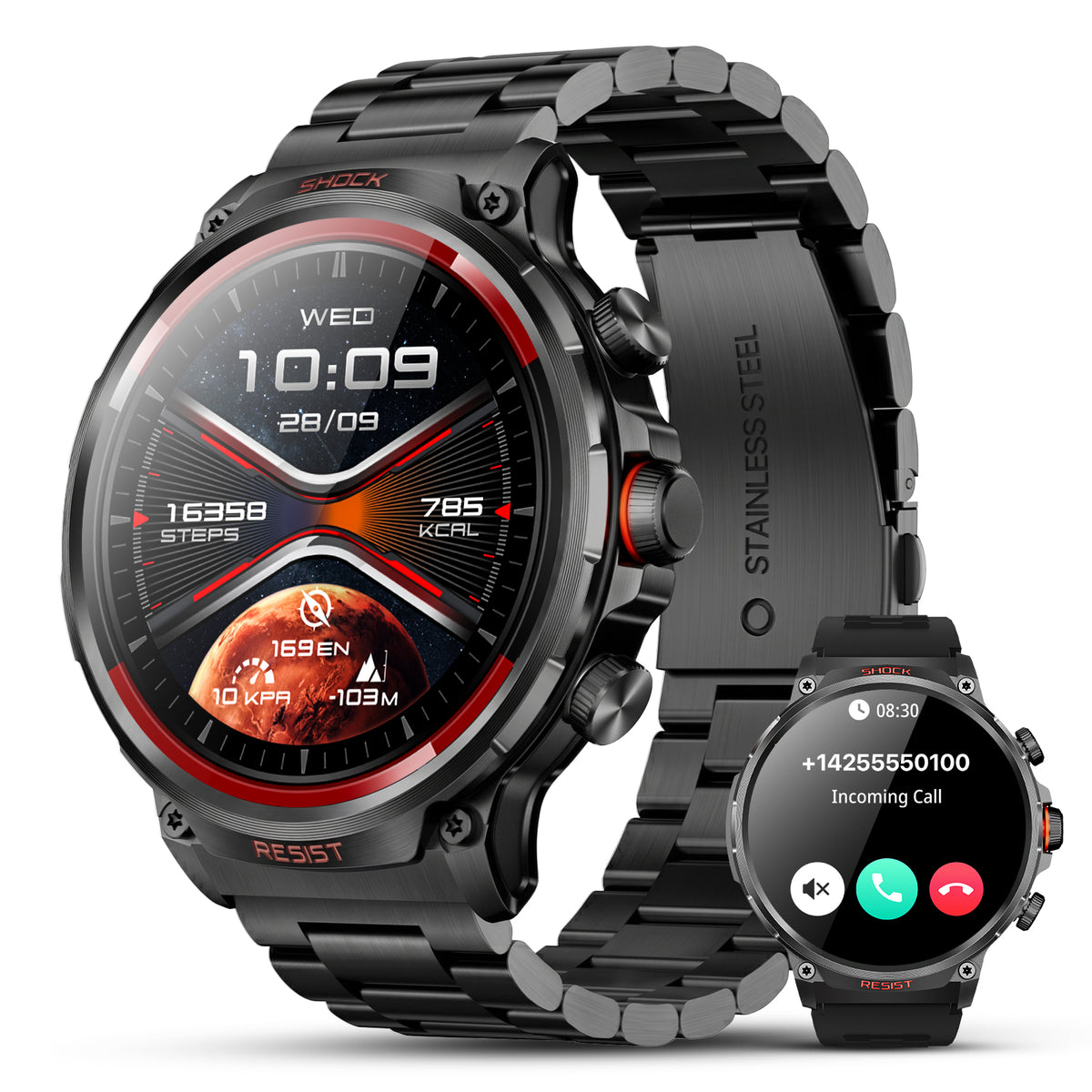
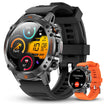
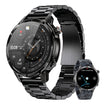
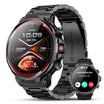
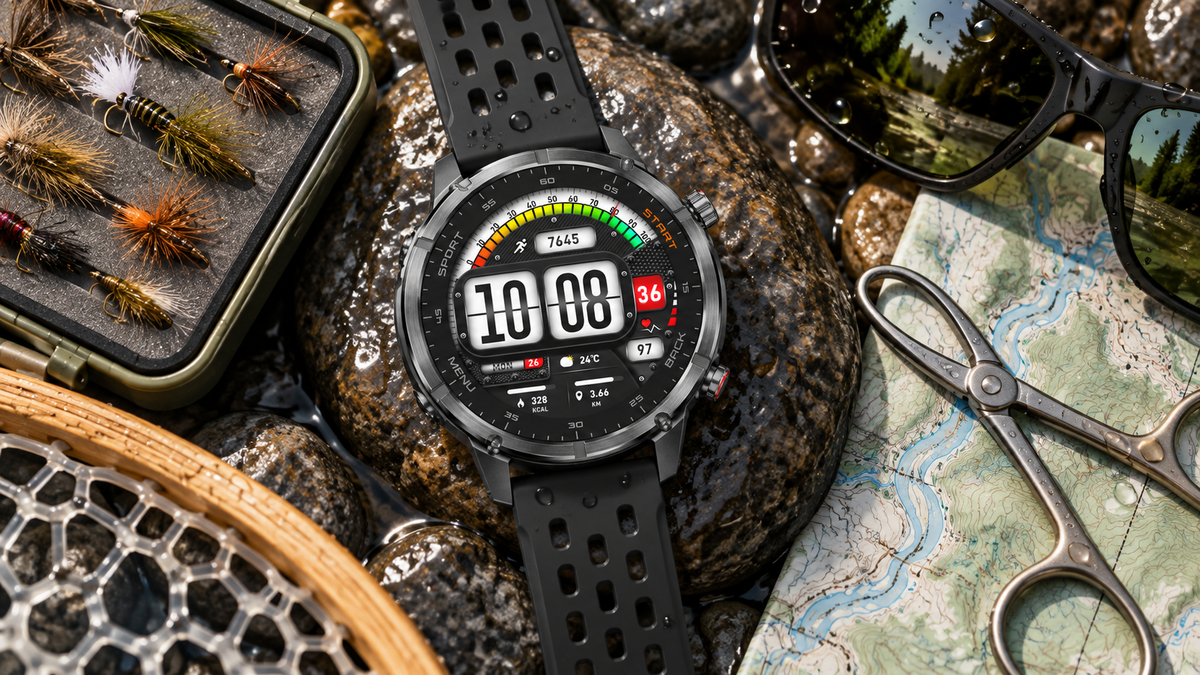
Motion 6 GPS uses built-in multi-satellite positioning to record a route. A compass gives direction, while the barometer and altimeter add pressure and elevation information. Four physical buttons are useful when fingers are damp. The 1.43-inch AMOLED screen is rated up to 1,000 nits, which helps with quick checks in open light.
The watch also works beyond fishing. Published features include heart rate, blood oxygen, stress and sleep tracking, plus notifications, Bluetooth calls, music controls and weather updates. Typical use is rated at 14–15 days. That mix makes sense for an angler who wants one everyday watch and carries a phone for detailed maps, regulations and tide research.
Trade-off: it records routes but does not show offline maps or provide fishing modes, tide tables or catch logs. If those tools are central to every trip, move to a fishing-specific watch.
Garmin Instinct 3 Solar
Choose it if: rugged construction, a higher water rating and long outdoor battery matter more than onboard fishing records.
Garmin lists multi-band GPS, a compass and barometric altimeter. The 45 mm version is rated for up to 28 days in smartwatch mode and 40 hours in GPS-only use before solar assumptions. Its button-led design also suits gloves and wet conditions.
Trade-off: it is a broad outdoor watch rather than a fly-fishing journal. The standard model does not offer full onboard maps. You pay more for rugged build, GPS options and battery support, not for a detailed fishing workflow.
COROS NOMAD
Choose it if: you explore unfamiliar water and want maps, return guidance, fishing modes and saved catch details on one device.
COROS lists shore and boat fly-fishing modes, maps, saved locations, tide information near supported sources and voice pins for trip notes. This is the most fishing-focused choice here. It can reduce the number of times you pull out a phone when recording a spot or checking a route.
Trade-off: it costs about $219 more than Motion 6 GPS. Tide coverage and connected data still need to be checked for your area, and a watch map is not a substitute for a complete trip plan.
Fly fishing watch comparison
| Model | Best match | Price checked | Position and route | Maps / fishing tools | Water | Published battery |
|---|---|---|---|---|---|---|
|
Motion 6 GPS |
Familiar rivers and value | $129.90 | Multi-satellite GPS; route recording; compass | No maps, tides or catch log | 5 ATM | 14–15 days typical; 20–24h GPS |
| Instinct 3 Solar | Rough use and long days | About $299.99 | Multi-band GPS; ABC sensors | No full onboard maps on standard model | 10 ATM | Up to 28 days; 40h GPS on 45 mm before solar assumptions |
| COROS NOMAD | New rivers and fishing records | About $349 | GPS, saved spots and return tools | Maps, fly-fishing modes, tides and logs | 5 ATM | 22 days daily; up to 50h GPS |
Evidence note: this is a public-specification comparison, not a hands-on field test. Prices and battery claims can change. Battery results vary with display, satellite mode, sensors, temperature and phone connection.
What matters most on a fly fishing watch
Fast controls matter more than a long feature list
A watch often gets checked while one hand holds a rod and the other manages line. Large text and physical buttons can be easier than small touch targets when hands are wet or cold. Decide which two or three screens you will use during a trip. Time, direction, pressure trend and route status are more useful when they are quick to reach.
GPS, maps and communication are separate jobs
Built-in GPS can record where you traveled. A compass can point direction. Maps can show the surrounding area. Communication requires a phone, cellular service or a separate satellite device. Do not assume one feature provides all four jobs. On remote water, carry the communication tool that fits local coverage and your risk plan.

Battery should cover the longest real trip
Daily battery and continuous GPS battery are different numbers. For a full river day, look at the GPS figure and leave a margin for cold weather, screen use and aging. Motion 6 GPS is rated for 20–24 hours of continuous GPS. NOMAD lists up to 50 hours. Instinct 3 Solar lists several satellite modes, so compare the mode you expect to use.
Pressure and elevation are context, not a bite guarantee
A barometer can help you notice a pressure trend, and an altimeter can add terrain context. Fish response still depends on water temperature, flow, insects, season and local conditions. Treat the reading as one part of a trip log. It is not a promise that fish will feed at a certain number.
Water resistance is not the same as safe wading
A 5 ATM or 10 ATM rating describes a laboratory pressure test. It does not measure current, footing, water temperature or hidden holes. The U.S. National Park Service warns that moving water can be dangerous even when it looks shallow. Check river level and weather before leaving. Use suitable footwear, move slowly and consider a wading staff and personal flotation device where conditions call for them.

For the watch itself, follow the maker's care instructions. Rinse and dry it after dirty or salty water when permitted. Avoid pressing buttons underwater unless the manual clearly allows it. Inspect the band and buckle before walking into current. A watch that comes loose is both expensive and distracting.
Where Motion 6 GPS fits best
Motion 6 GPS makes the strongest case on familiar freshwater. You can start route recording at the access point, use the compass for a quick direction check and review pressure or altitude information during the day. The four buttons help when touch control becomes awkward. Back home, the same watch handles sleep, health trends, calls and notifications.
Use your phone before the trip for detailed maps, water levels, local rules and weather. Save the information you need while offline. If you regularly explore branching backcountry trails and want the map on your wrist, NOMAD is the better fit. If hard use and a higher water rating come first, Instinct 3 Solar earns its higher price.

Motion 6 GPS
Built-in multi-satellite GPS and route recording, plus compass, barometer, altimeter, health and activity tracking, calling, music controls and notifications.
$129.90$162.38
A quick buying checklist
- Known river or new water? Route recording may be enough on familiar ground; maps matter more in complex terrain.
- How wet will the trip be? Compare the rating and the maker's allowed activities, then care for the watch after use.
- Do you wear gloves? Check button size, screen brightness and how fast key pages open.
- How long is the GPS session? Use the continuous GPS claim, not only the smartwatch-day number.
- Will you log catches? Pay for a fishing workflow only if you will actually use it.
- What is your backup? Carry the right navigation and communication tools for the location.
Frequently asked questions
What is the best watch for fly fishing?
Motion 6 GPS is the value choice for familiar rivers. Instinct 3 Solar suits rough use and long outdoor days. COROS NOMAD is the better fit when maps, saved spots and fishing records matter.
Is 5 ATM enough for fly fishing?
It can suit rain, splashes and wading when used within the maker's instructions. The rating does not make deep or fast water safe, and it does not replace proper care after use.
Do I need maps on my watch?
Not always. A recorded route and compass may be enough on known water. On remote or complex access trails, wrist maps and return guidance can be worth the higher price.
Can a barometer tell me when trout will bite?
No single pressure number guarantees fish activity. Use pressure trend with water flow, temperature, insect activity, season and your own trip notes.
Choose for the river you actually fish
The best fly fishing watch is the one that removes a small problem without creating a new distraction. Motion 6 GPS covers the useful basics at the lowest price here. Instinct 3 Solar adds rugged outdoor focus. NOMAD adds maps and a fishing workflow. Start with your normal river, trip length and safety plan, then choose the lowest tier that covers those needs.