

Is there a best barometric pressure for ice fishing?
No universal threshold separates a good day from a bad one. Atmospheric pressure changes with weather systems and also with elevation. A reading that looks “high” at one lake may be normal at another. The trend over several hours is more useful than copying a number from a generic bite chart.
The National Weather Service explains that falling pressure often signals an approaching low or front, while rising pressure often points toward more settled weather. That is a weather interpretation, not a fish-feeding guarantee.

What pressure numbers mean on an ice-fishing day
Sea-level pressure near 29.92 inHg, or 1013 hPa, is a familiar reference point. It is not a line between good and bad fishing. Elevation, local weather and the way an app corrects pressure can change the number you see. Use these broad bands only to describe the weather pattern:
- Below about 29.80 inHg: relatively low pressure; often associated with an active low-pressure system.
- About 29.80–30.20 inHg: a common middle range at sea level; the trend still matters more than the exact reading.
- Above about 30.20 inHg: relatively high pressure; often associated with a stronger high-pressure system.
The useful question is not “Is 30.10 good?” It is “Did the reading hold near 30.10, climb there quickly after a front, or start falling from it?” Those three situations can produce different light, wind and temperature even though the current number is identical.
Read the trend with the conditions around it
| Pressure pattern | What it may indicate | What to check next |
|---|---|---|
| Steady | The weather pattern has changed little during your observation window | Compare depth, light, oxygen, forage and recent fishing pressure |
| Slowly falling | A low-pressure system or front may be approaching | Watch wind, snow, visibility and changing access conditions |
| Rapidly falling | Weather may be changing quickly | Put safety, shelter and the exit plan ahead of bite theory |
| Slowly rising | A system may be moving away and the sky may clear | Expect changing light and test a nearby depth before moving far |
| High or low but stable | The absolute reading sits on one side of local normal | Compare with your own records from the same lake and season |
Use a consistent observation window. A quick glance at one number cannot show whether pressure has been stable, rising or falling. If you changed elevation on the drive, allow the sensor to settle before comparing the reading with earlier values.
How to fish each pressure trend
Steady pressure: establish a clean baseline
Start with the depth and structure that normally hold your target species. Fish one hole long enough to test two presentations, then move in a planned direction. Because the weather is relatively stable, changes in fish response are easier to connect to depth, light, lure profile or fishing pressure.
Slowly falling pressure: search before the weather worsens
If forecasts, wind and visibility remain safe, use the changing period to cover a little more water. Begin with the usual depth, then test a nearby break, weed edge or basin transition. An approaching system may change light and wind, so set a firm departure time instead of waiting for the barometer to decide it for you.
Rapidly falling pressure: stop optimizing the bite
A fast drop can accompany fast-changing weather. Check the official forecast, shelter, visibility and the route back. The correct adjustment may be leaving, not changing lures. No fishing theory is worth being caught on unsafe ice or in a whiteout.
Rising pressure after a front: make smaller adjustments
Do not assume the lake has shut down. First reduce jigging speed, hold the bait still for longer and test slightly deeper water or tighter cover. If fish appear on electronics but refuse, change one variable at a time: cadence, size, color or exact depth.
Why ice changes the fishing problem
Ice reduces direct wind mixing and changes how light enters the lake, but the water below is still not uniform. Species may use different depths, cover and oxygen zones. Snow cover can reduce light. Late-winter oxygen can become a bigger issue in shallow, weedy or poorly circulated water. A pressure trend cannot tell you where those layers are.
The available research is limited. A Bemidji State study on yellow perch found that pressure-related ideas are difficult to isolate because temperature, wind, moon phase and other variables also affect feeding. That is a useful warning against turning a correlation into a universal rule.

Ice safety comes before bite timing
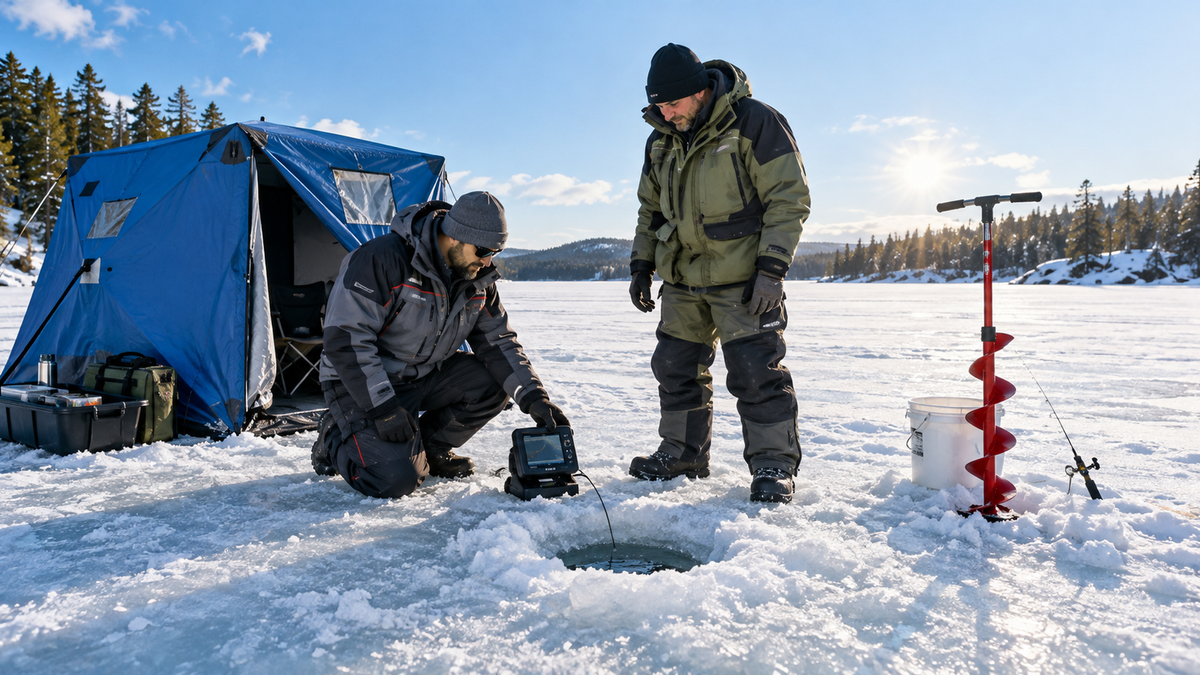
Iowa DNR recommends checking current reports and drilling test holes as you move because thickness and quality vary across a lake. NOAA emphasizes that ice is never completely safe. Follow local guidance, fish with a partner and carry the safety equipment recommended for your area.

A practical ice-fishing pressure plan
- Check official weather alerts, local ice reports and access conditions.
- Record the pressure trend for several hours, not only the absolute number.
- Choose a species and begin at a depth and habitat that match the season.
- If fish appear but do not respond, adjust lure size, cadence and exact depth before moving far.
- Log productive and blank trips with pressure, light, snow cover, depth and time.
A practical first-hour plan
- Before stepping on the ice: confirm local ice reports, access and the official forecast.
- At the first hole: record pressure direction, snow cover, light, water depth and target species.
- For 15 minutes: test one active and one subtle presentation at the most likely depth.
- If fish are absent: move along one structural line rather than drilling randomly.
- If fish are present but inactive: change cadence and exact depth before making a long move.
- After the trip: record blank periods as well as catches so one good day does not become a false rule.
This plan uses pressure for timing and documentation while keeping the actual fishing decisions tied to depth and fish response.
Common pressure-reading mistakes
Comparing stations at different elevations
Raw station pressure falls as elevation rises. Weather services often use sea-level-adjusted pressure so places can be compared. A wrist sensor may present values differently depending on its settings and calibration. For fishing decisions, compare one device at one location over time instead of collecting unrelated numbers from different sources.
Turning a front into one-variable proof
A front can change light, wind, precipitation and temperature within the same period. Fish may respond to the combined change or to something happening in the water. When the bite changes, record all of those conditions. Calling pressure the sole cause hides the part of the pattern you may actually be able to repeat.
Moving too many variables at once
If the first spot is quiet, do not change location, depth, lure size, color and speed simultaneously. Make one controlled adjustment. That helps you learn whether fish were present but inactive, holding at another depth or absent from the area.
Using a watch barometer without overpromising
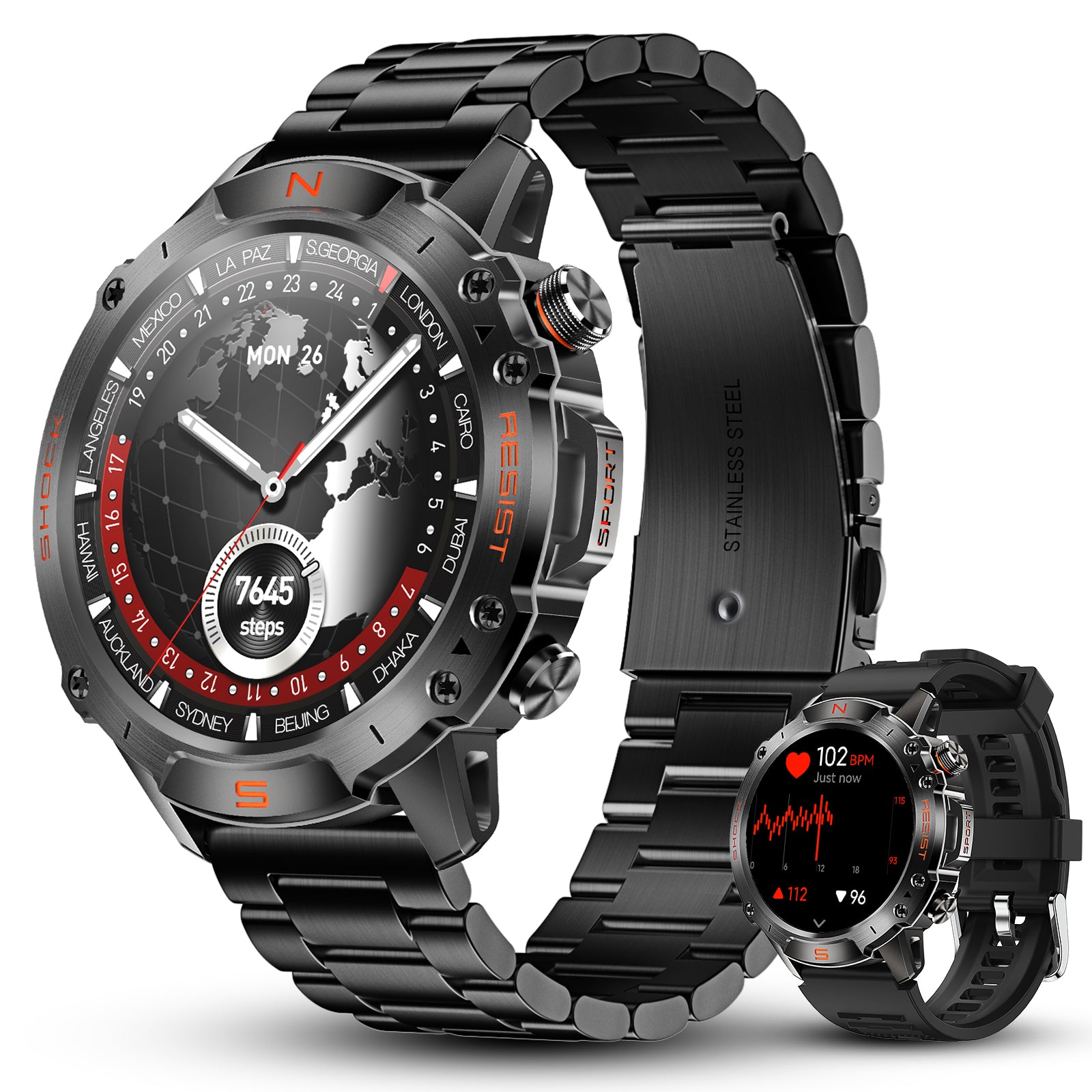
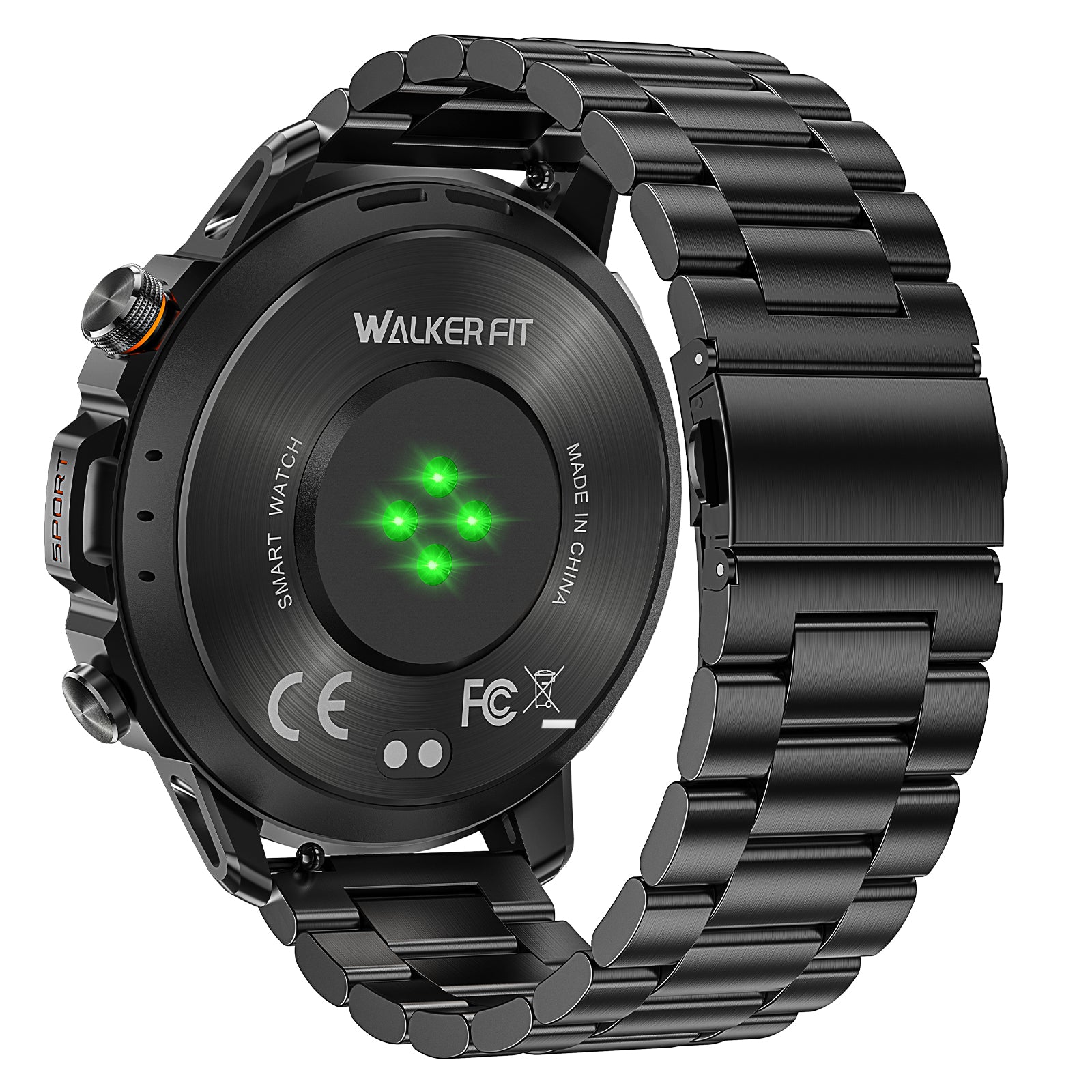
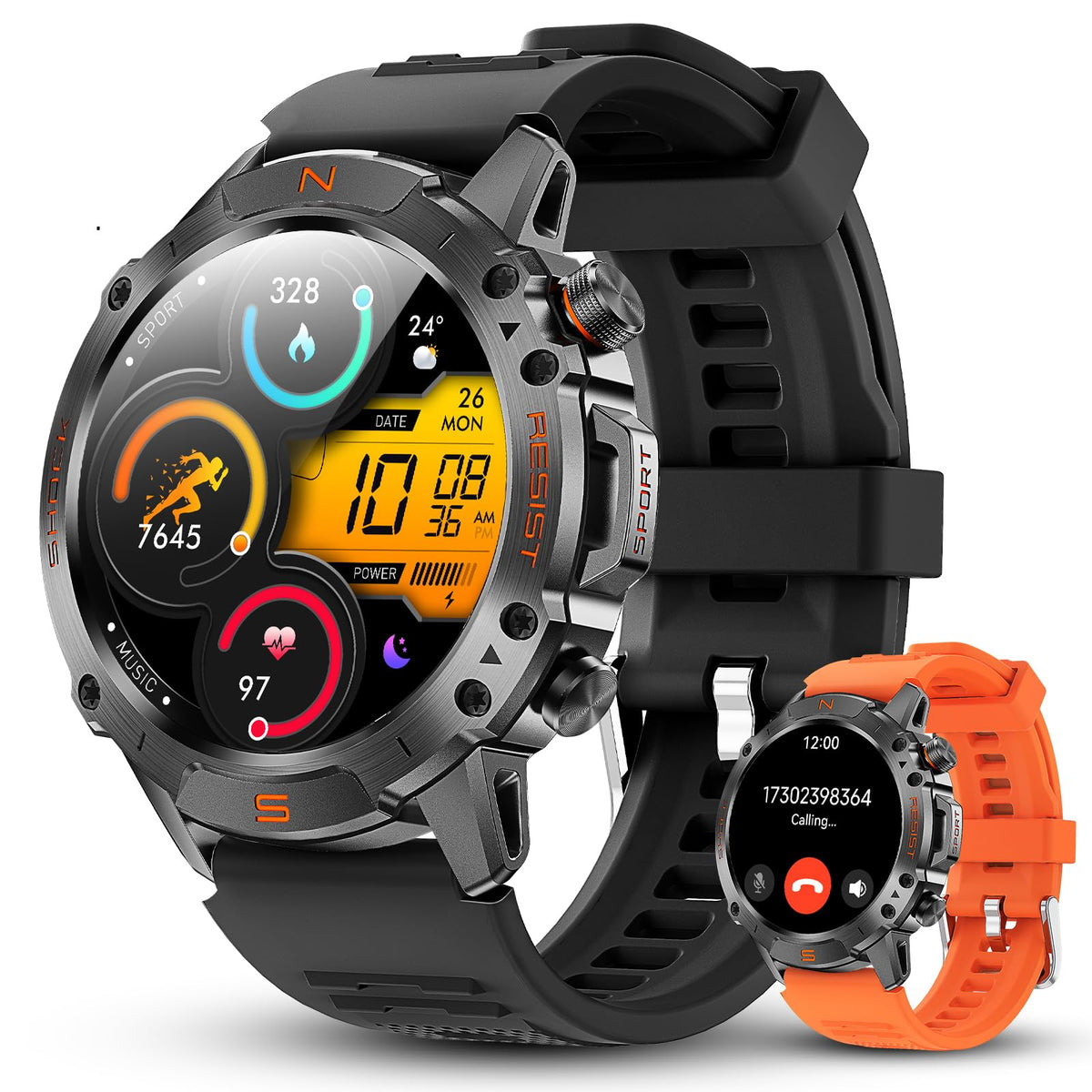
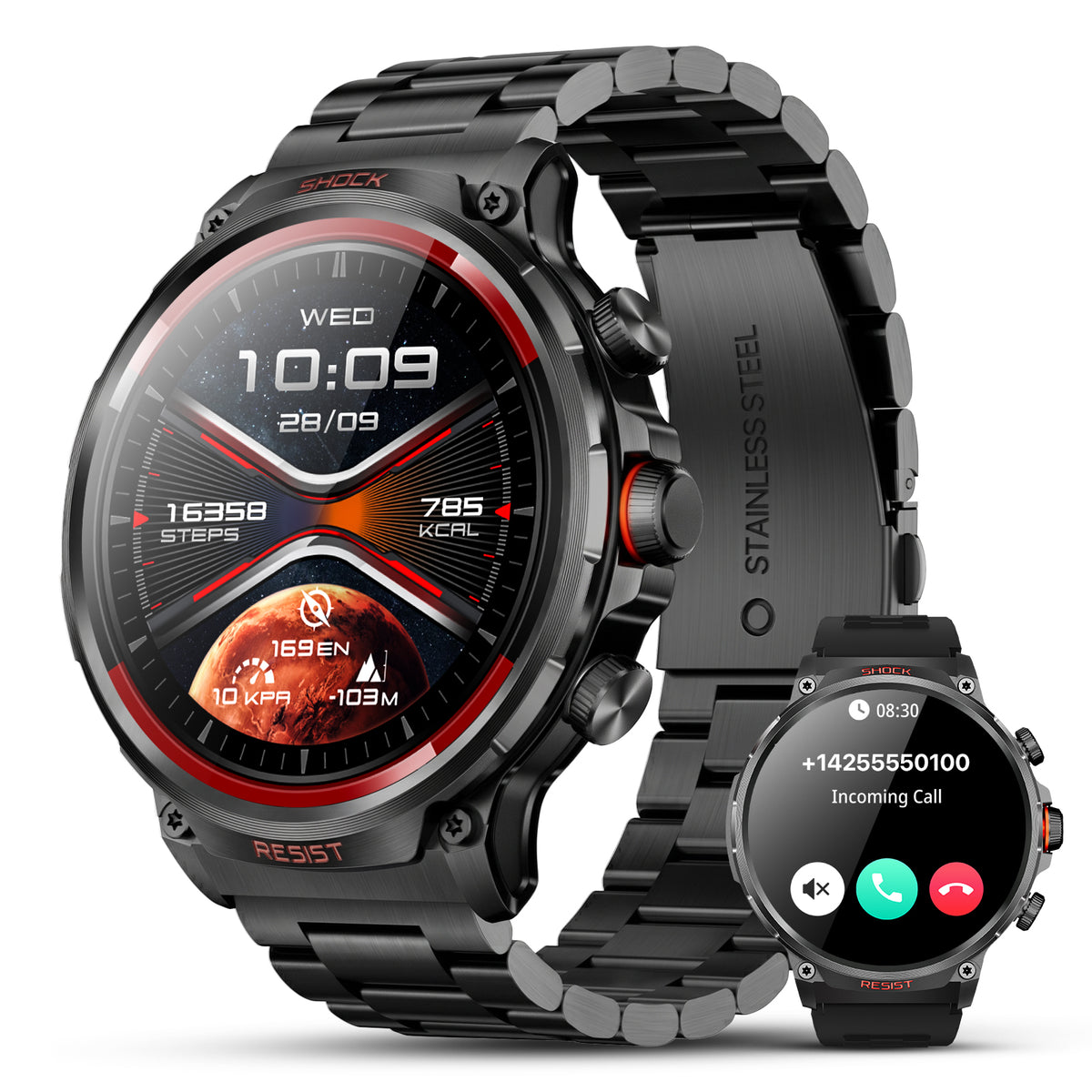
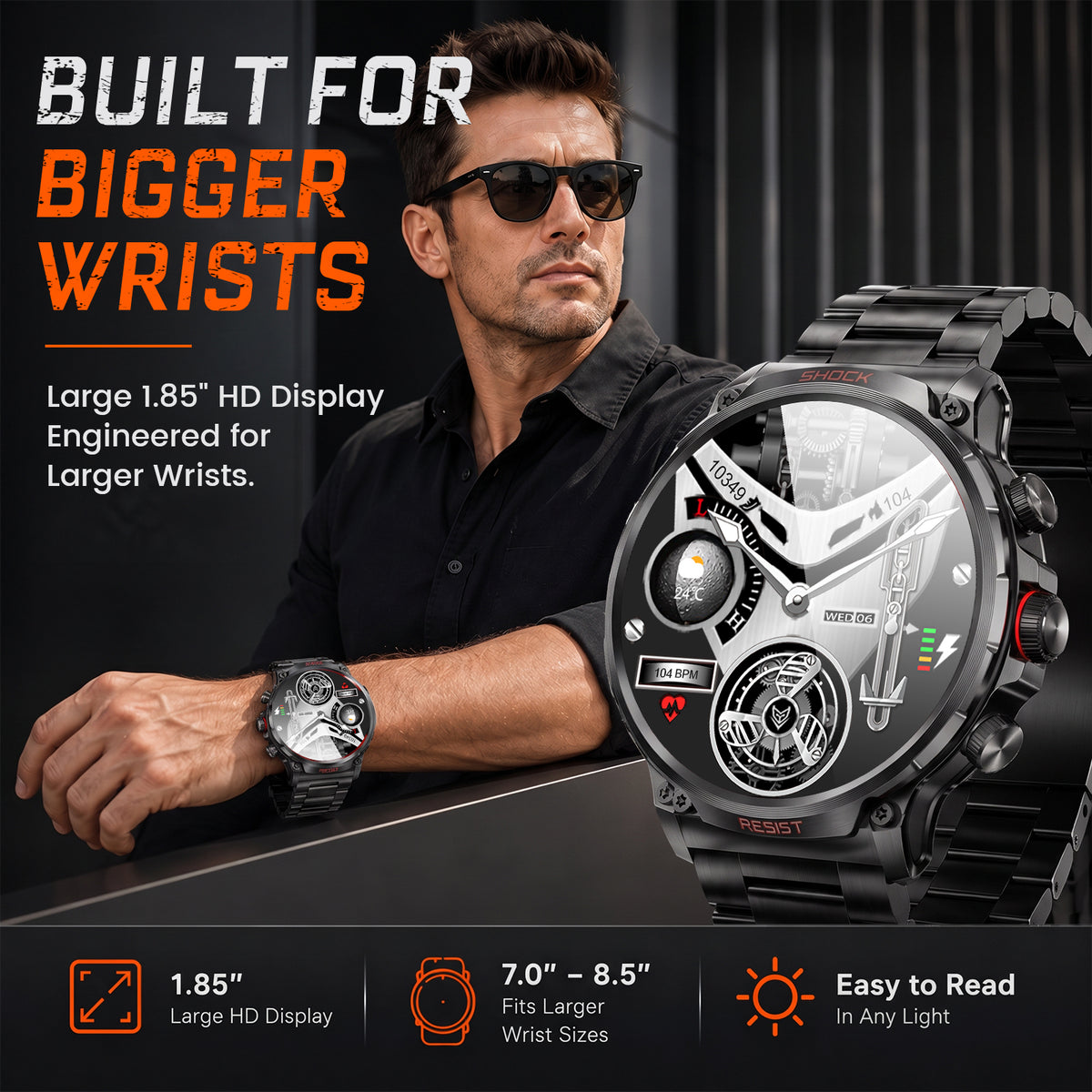
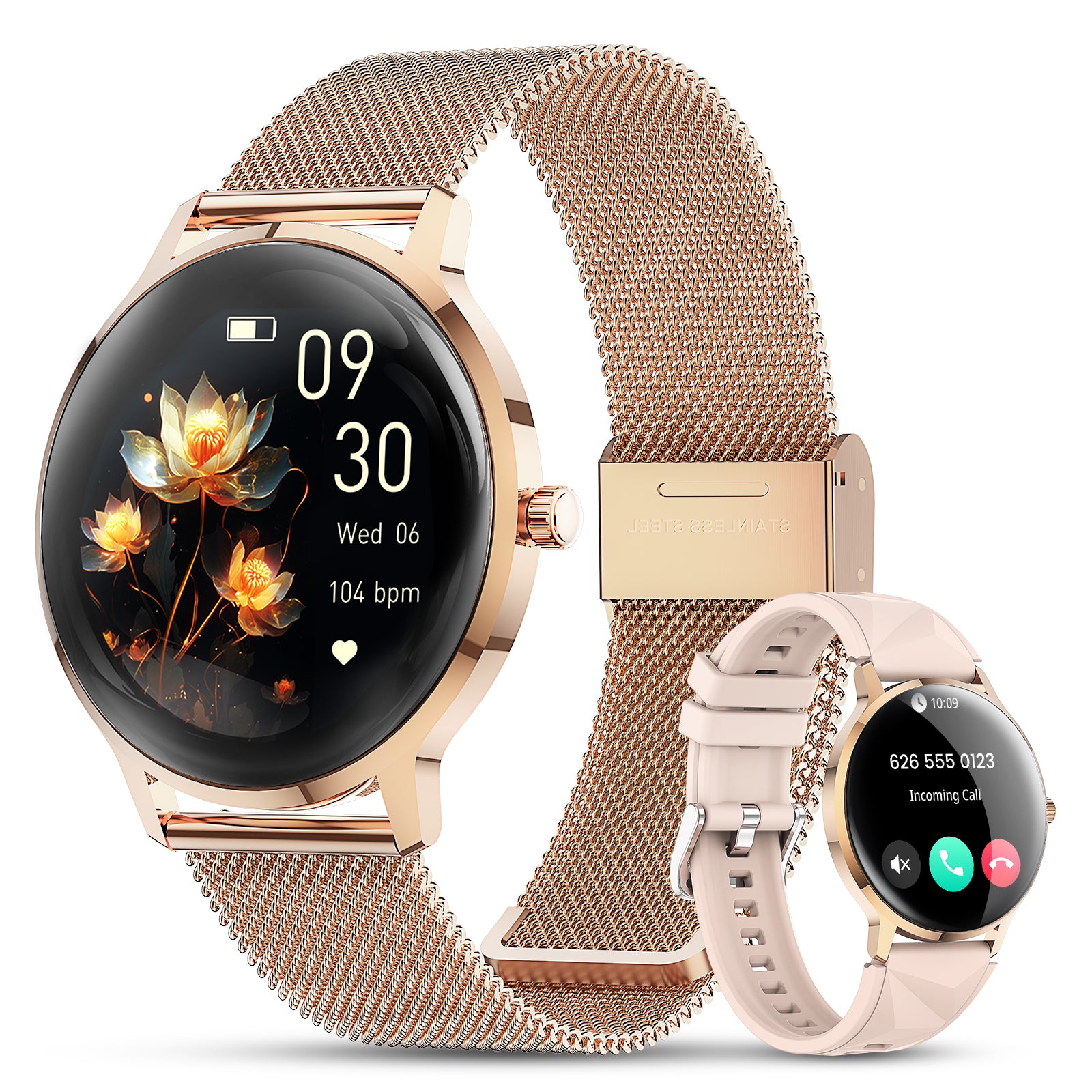
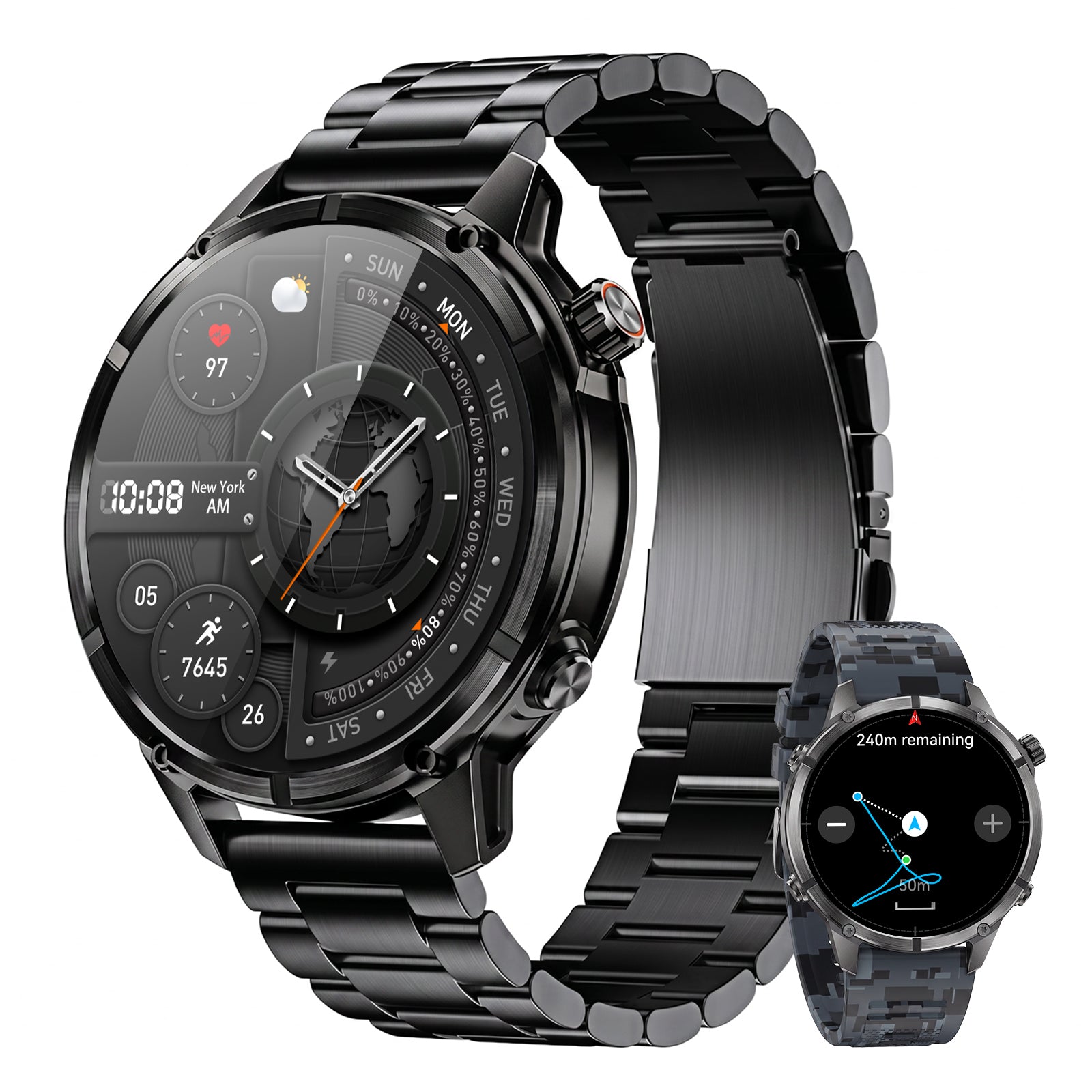
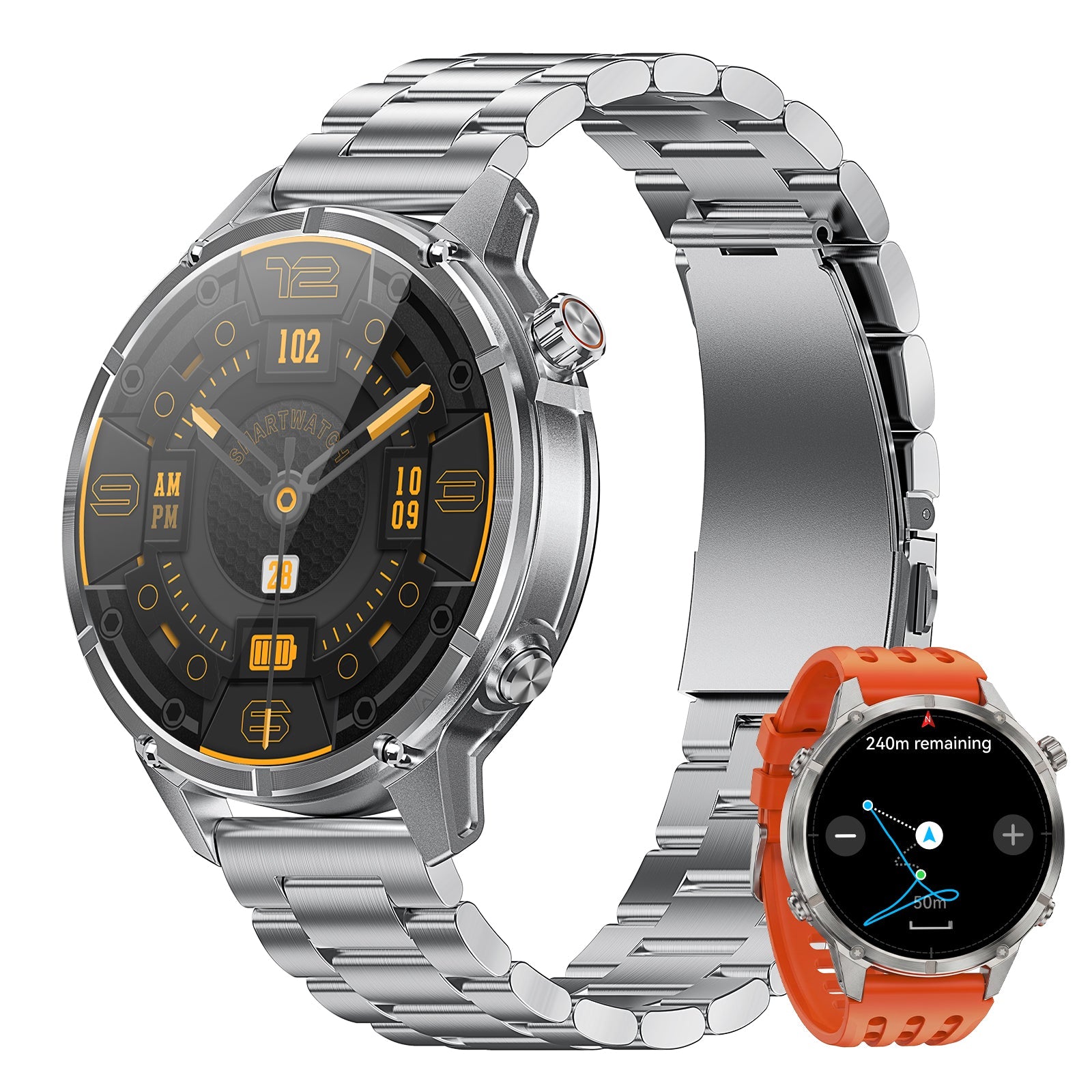
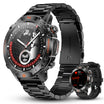
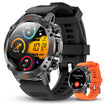
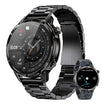
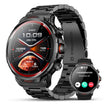
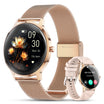
Motion 6 GPS includes a barometer and altimeter, so it can provide local pressure context during an outdoor trip. Because pressure also changes with elevation, compare readings after you have settled at the fishing location. Use an official weather source for forecasts and warnings.
Motion 6 GPS
Record outdoor routes and keep direction, barometric pressure, altitude, health, activity, calling, music and notifications on one everyday watch.
View current price
The watch also provides route recording, multi-satellite positioning and a compass. It does not provide ice-thickness data, fish-finder information or official storm alerts. Keep your phone and local agency sources responsible for those jobs.

How to build a useful local record
Use the same fields every trip: date, location, species, pressure trend, wind, cloud, air and water temperature, depth, presentation and exact bite time. Record periods with no bites as carefully as successful periods. Without blank trips, almost any favorite condition can look better than it really is.
Compare trips from the same lake or river reach and the same season. A winter reading from a high-elevation lake should not be mixed with a summer reading from a lowland river. After six to ten comparable trips, look for repeated combinations rather than one impressive day. The pattern may be depth plus light, current plus temperature, or access plus wind instead of pressure.
Frequently asked questions
What barometric pressure is best for ice fishing?
There is no universal best number. The trend and the weather around it are more useful than a single reading.
Is falling pressure good for ice fishing?
It can coincide with changing wind, cloud and light, but it does not guarantee better feeding. Fish position and species response vary.
Does high pressure stop fish from biting under ice?
No. Fish can be caught under high pressure. You may need to change depth, location, lure size or presentation speed.
Can a watch barometer predict a storm on the ice?
A falling trend can provide context, but it is not an official warning. Use current forecasts and alerts, and leave when conditions become unsafe.
Related fishing guides
Browse more tools in the Outdoor Watches collection.
Use the trend, then fish the conditions
Pressure is one line in an ice-fishing log. Species, depth, light, forage, oxygen and safe access finish the picture. Start with a reasonable depth, make controlled adjustments and leave when the ice or weather becomes unsafe.