

What can barometric pressure tell a catfish angler?
Pressure helps describe the weather pattern around a trip. Falling pressure can accompany an approaching front. Rising pressure can follow a front as conditions settle. Those systems also change wind, cloud, air temperature, rain and water movement, so pressure should not receive credit for every change in fish behavior.
The National Weather Service explains that falling pressure often signals an approaching low or front, while rising pressure often points toward more settled weather. That is a weather interpretation, not a fish-feeding guarantee.

What to do when pressure changes
Steady pressure: fish the known pattern
Use the spot that has the strongest combination of depth, current break, cover and food. On a river, that may be the downstream edge of a hole, an outside bend or slack water beside faster current. On a lake, start at a channel edge, point, flat-to-drop transition or cover close to deeper water.
Slowly falling pressure: check active feeding routes
An approaching system may add cloud, wind or runoff. When conditions remain safe, place baits where food moves: the head of a hole, a current seam, an inflow or a shallow route next to deep refuge. Give each bait a defined soak time, then reposition rather than waiting indefinitely.
Rapid fall with storms or rising water: choose safety
Fast weather changes can bring lightning, floating debris, unstable banks and stronger current. Leave exposed water and flooded access points. The best catfish tactic in unsafe conditions is postponing the trip.
Rising pressure after a front: tighten the presentation
Start closer to deep cover, channel edges or the bottom of a break. Reduce unnecessary movement and keep a strong scent trail in a compact area. If bites do not come, change depth or current position before changing every part of the rig.
Read the trend with the conditions around it
| Pressure pattern | What it may indicate | What to check next |
|---|---|---|
| Falling pressure | A weather system may be approaching | Check wind, rain, river level, current and bank safety before changing tactics |
| Front passing | Wind, temperature, cloud and runoff can change together | Fish current edges and stable cover; avoid unsafe flow and debris |
| Rising pressure | Weather may be clearing | Test depth and shade instead of assuming the bite has stopped |
| Stable pressure | A useful baseline for comparing trips | Focus on water temperature, oxygen, forage, cover and time of day |
| Any reading after elevation change | The watch reading may reflect both weather and altitude | Compare only after the sensor settles at the fishing location |
Use a consistent observation window. A quick glance at one number cannot show whether pressure has been stable, rising or falling. If you changed elevation on the drive, allow the sensor to settle before comparing the reading with earlier values.
Start in a different place for each catfish
Channel catfish
Channel cats are the most flexible starting point. In rivers, try current seams, eddies and the upper or lower edge of deeper holes. In lakes, check wind-blown banks, points, creek channels and cover near feeding flats. Prepared bait, cut bait or other legal local options can be placed where scent moves through the travel lane.
Blue catfish
Blue cats commonly relate to open-water forage, channel ledges and moving water. Use sonar or a depth map from another device to find the channel and baitfish, then use the watch for time, route and weather context. Pressure alone cannot locate a suspended school.
Flathead catfish
Flatheads favor substantial cover and are often most active from evening into night. Focus on logjams, undercut banks, deep holes and the current edge beside cover. Use legal bait and local regulations. Place the bait close enough to be found without burying the rig where it cannot be recovered.
This species-first decision is more useful than applying the same pressure rule to every catfish. Choose the habitat first; use the weather trend to refine timing and presentation.
Species, temperature and habitat matter more than a magic number
Channel, blue and flathead catfish do not use every lake or river in the same way. Texas A&M describes channel catfish as bottom-oriented fish that use sand, gravel, deep holes and cover, with much activity occurring around dusk or night. Current, food and shelter create a more direct fishing plan than pressure alone.
Water temperature has a clear biological link to feeding. Mississippi State Extension notes that channel-catfish growth slows below 65°F and feeding activity largely stops below about 50°F. Alabama Extension likewise recommends changing winter feeding with water temperature. Those aquaculture observations do not predict every wild bite, but they show why temperature deserves more weight than a pressure-number chart.

Conditions to check before blaming pressure
Water temperature
Warmwater catfish generally feed more consistently as suitable water warms, while cold water slows metabolism. Measure at a repeatable depth and compare the trend with recent days.
Current and water level
River level and current can reposition fish and food. Moderate flow changes may create useful current seams, but flooding, debris and unstable banks are reasons to postpone.
Time, cover and species
Dusk and night are common starting windows, especially for flatheads, but channel cats can feed during daylight. Shade, deep holes, woody cover, stained water and available forage can keep a daytime spot productive.

A practical pressure-and-catfish plan
- Name the catfish species and water type you are targeting.
- Check river level, weather alerts, access hours and bait regulations.
- Record pressure as steady, rising or falling over several hours.
- Fish one current or depth transition near reliable cover.
- Change bait placement or depth before assuming the pressure “killed” the bite.
- Log water temperature, current, clarity, exact bite time and pressure trend.
A 90-minute catfish plan
- Choose the species and water type. A flathead in woody river cover is a different problem from blue cats following bait in a reservoir.
- Pick one primary spot and one backup. Both should offer depth, cover or a current break, not merely a convenient bank.
- Set baits across a small depth or current range. This tests position without scattering the spread across unrelated water.
- Give the first setup 30–45 minutes. Note exact bite time, current, water temperature and pressure direction.
- Move for a reason. Shift shallower, deeper or to the opposite side of the current seam; do not move randomly because the pressure number looks wrong.
- Repeat once. Two controlled setups teach more than five rushed stops.
Common pressure-reading mistakes
Comparing stations at different elevations
Raw station pressure falls as elevation rises. Weather services often use sea-level-adjusted pressure so places can be compared. A wrist sensor may present values differently depending on its settings and calibration. For fishing decisions, compare one device at one location over time instead of collecting unrelated numbers from different sources.
Turning a front into one-variable proof
A front can change light, wind, precipitation and temperature within the same period. Fish may respond to the combined change or to something happening in the water. When the bite changes, record all of those conditions. Calling pressure the sole cause hides the part of the pattern you may actually be able to repeat.
Moving too many variables at once
If the first spot is quiet, do not change location, depth, lure size, color and speed simultaneously. Make one controlled adjustment. That helps you learn whether fish were present but inactive, holding at another depth or absent from the area.
Using a watch barometer without overpromising
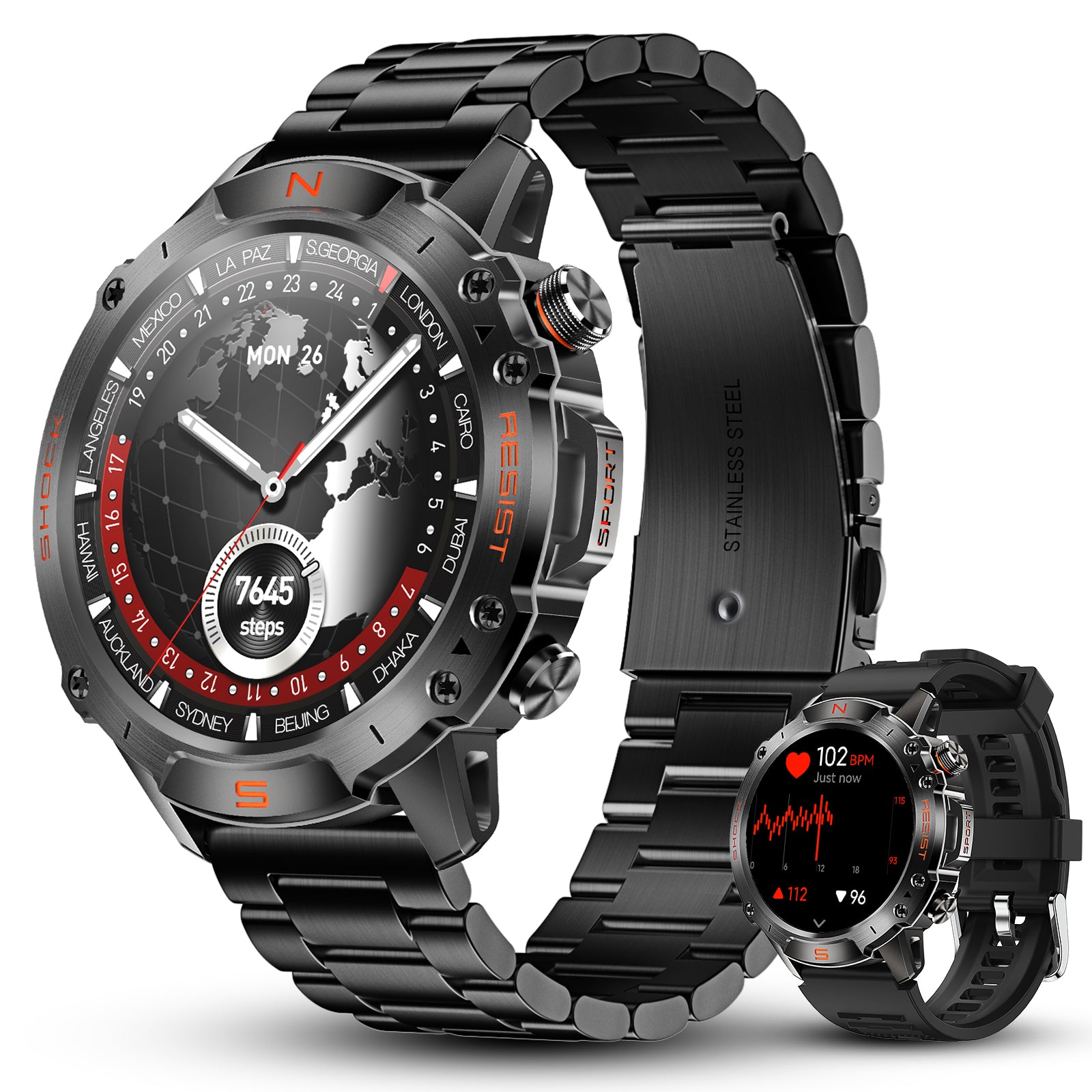
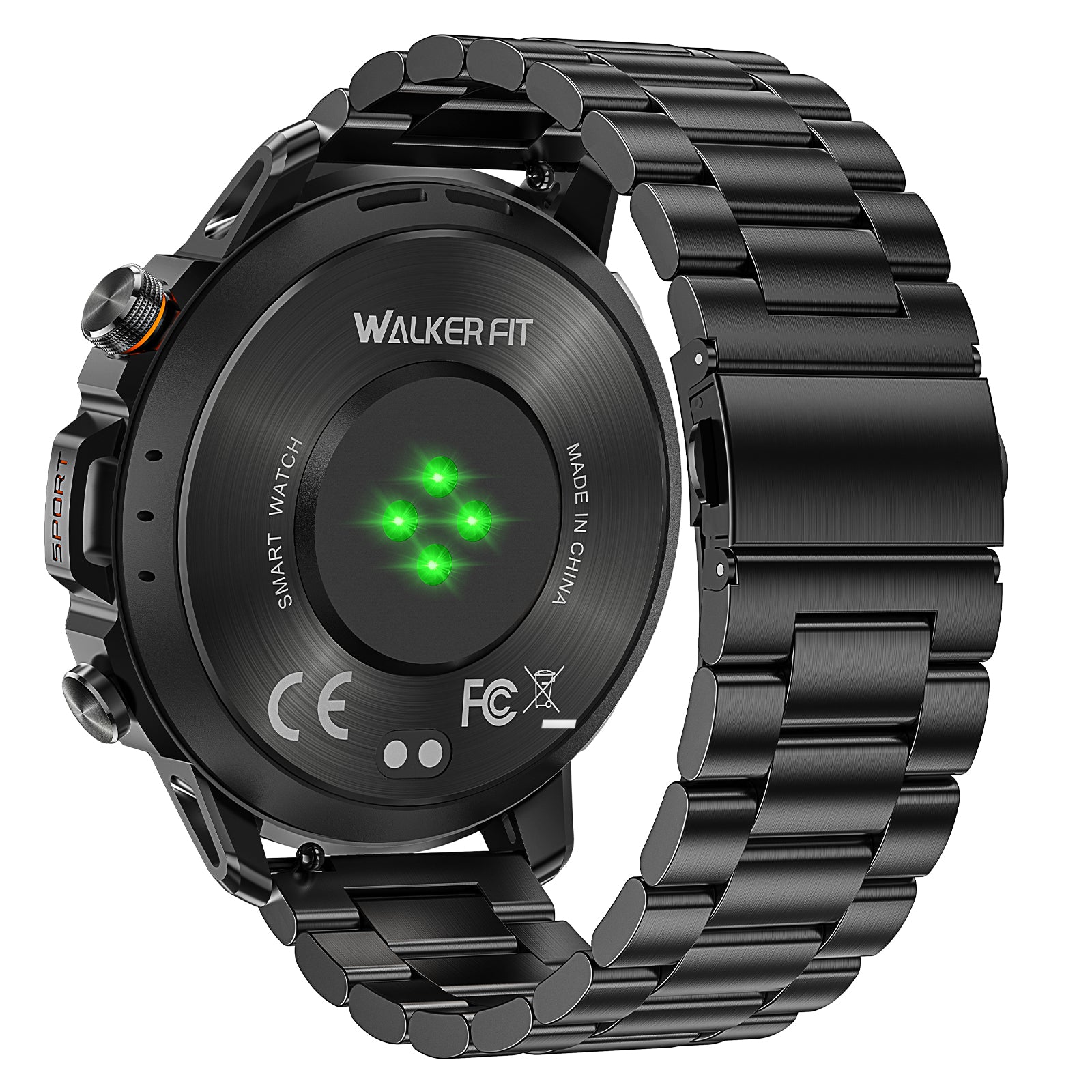
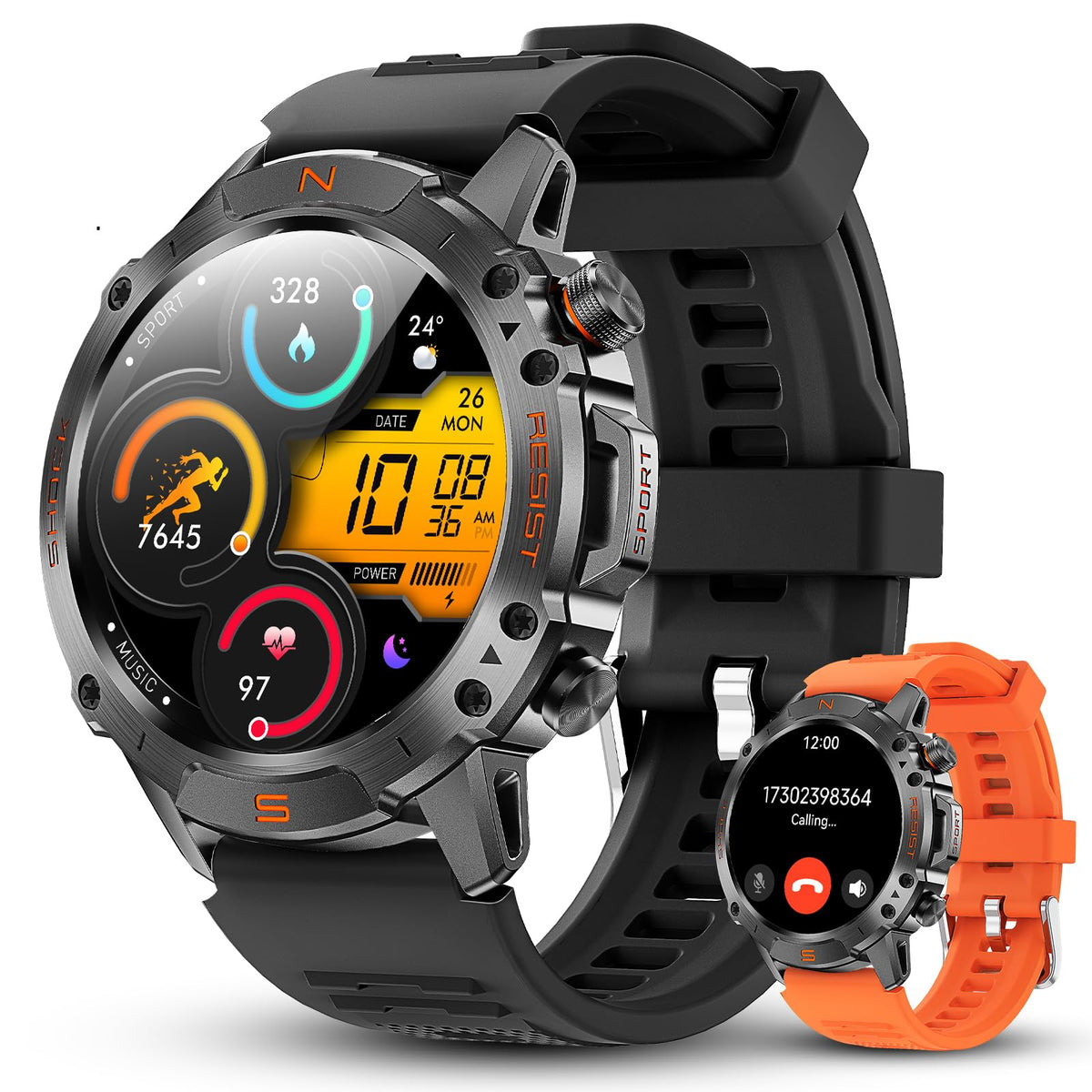
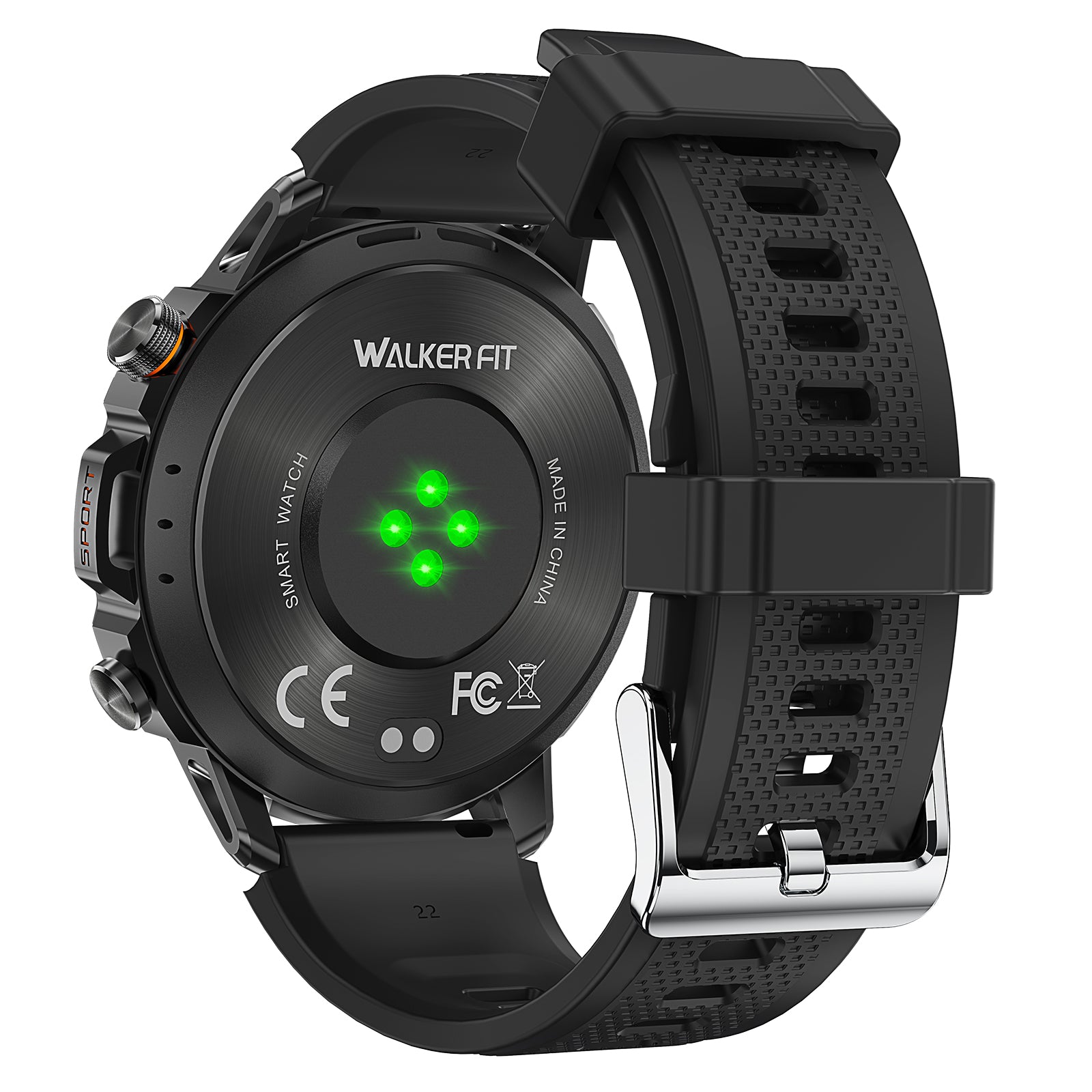
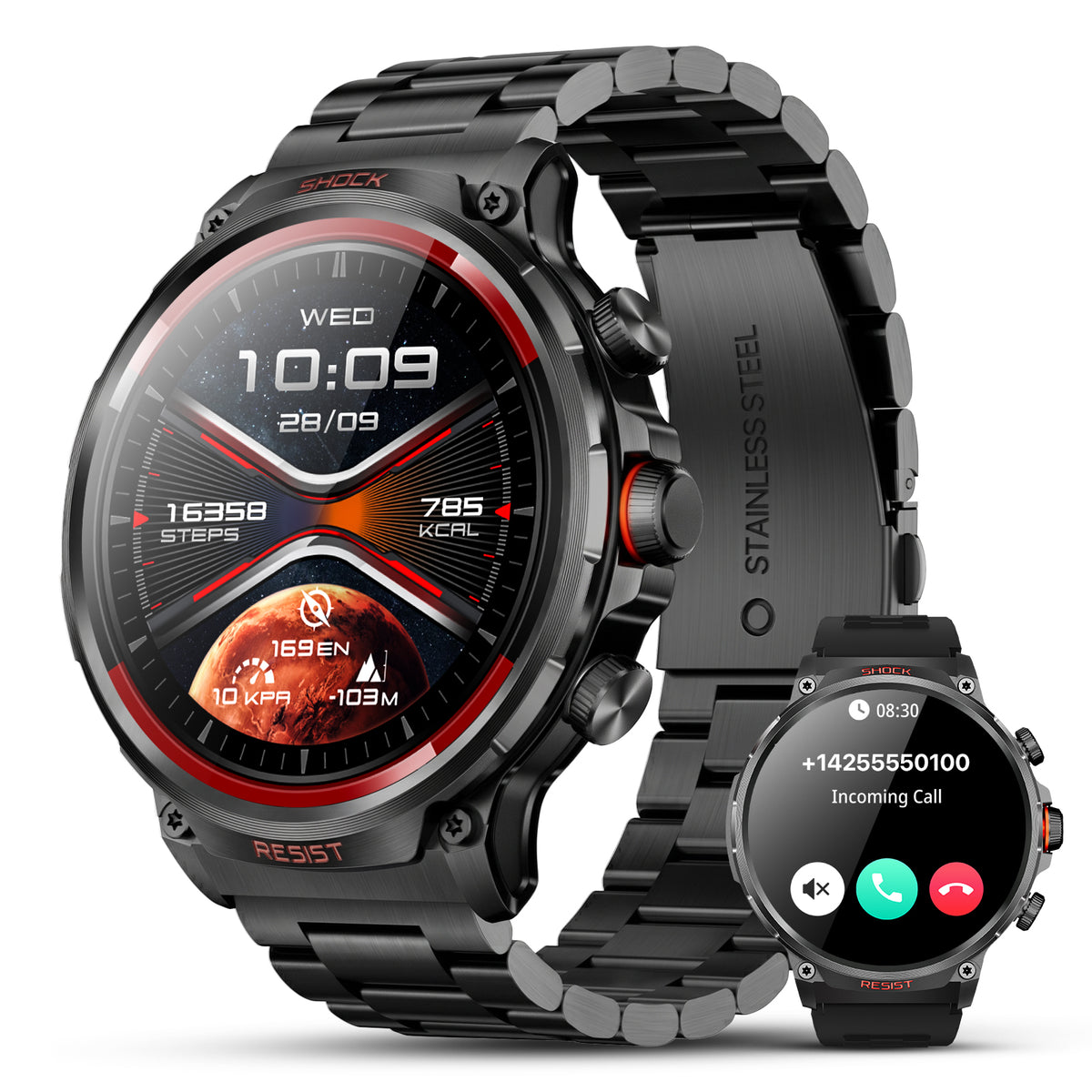
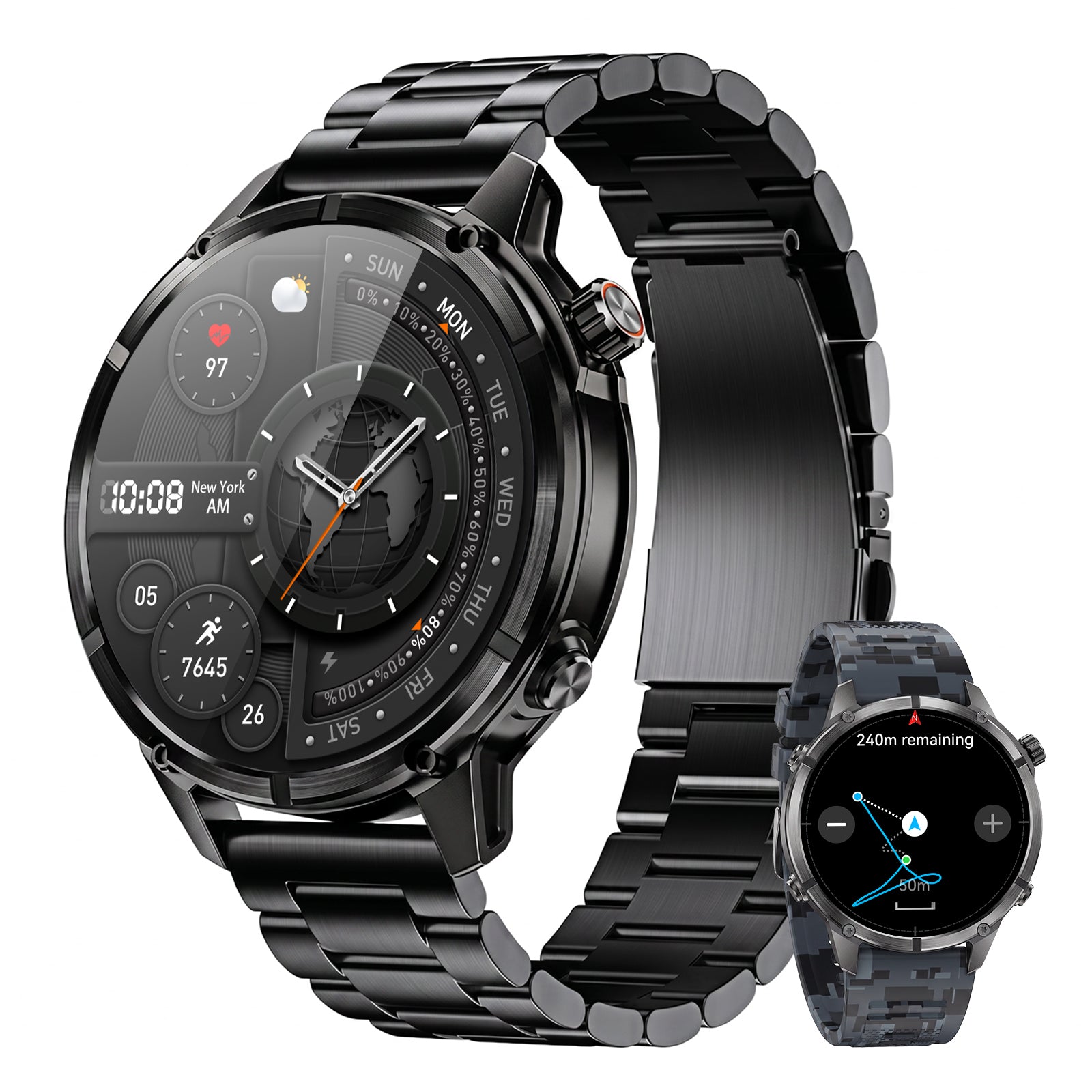
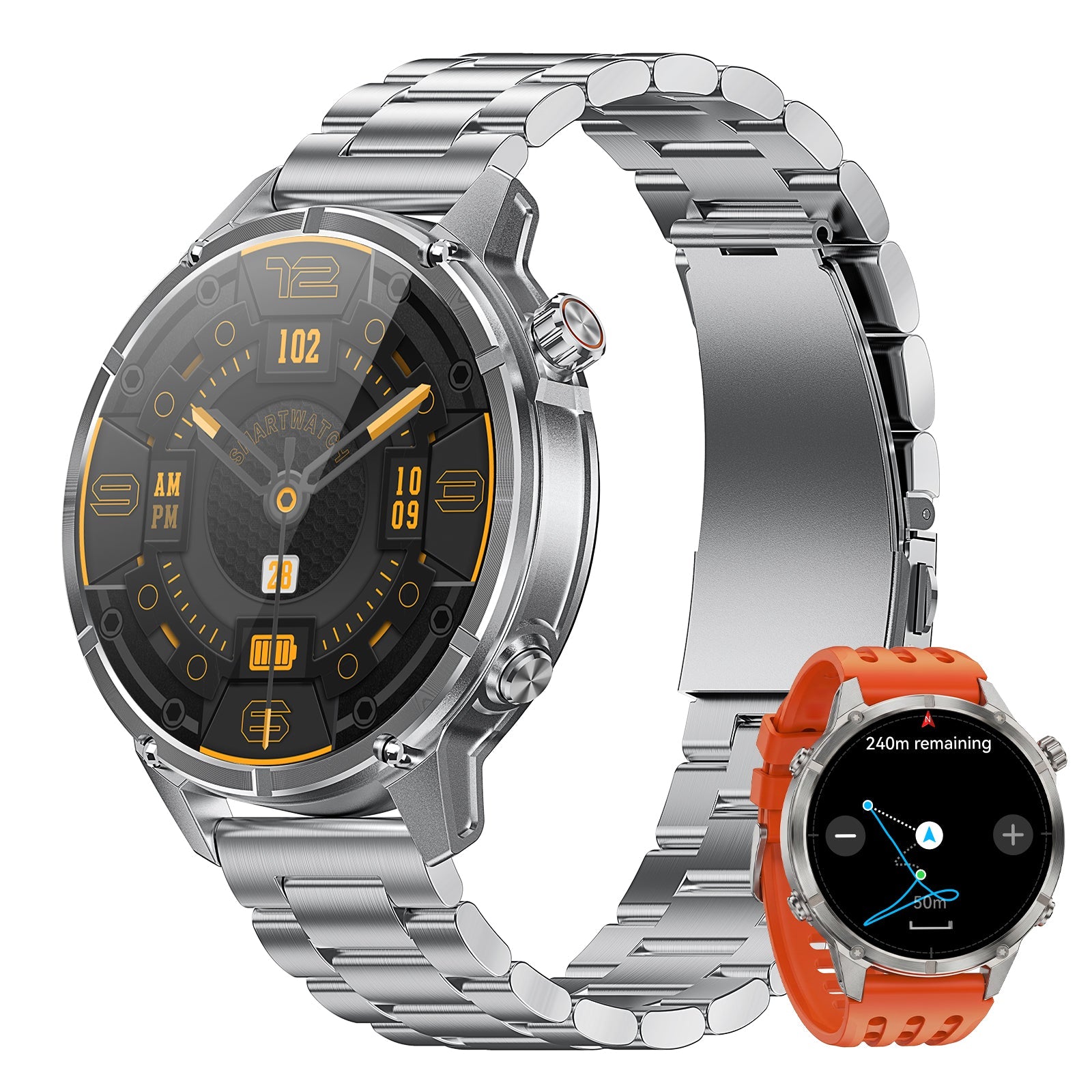
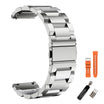
Motion 6 GPS includes a barometer and altimeter, so it can provide local pressure context during an outdoor trip. Because pressure also changes with elevation, compare readings after you have settled at the fishing location. Use an official weather source for forecasts and warnings.

Motion 6 GPS
Record outdoor routes and keep direction, barometric pressure, altitude, health, activity, calling, music and notifications on one everyday watch.
View current price
The watch also provides route recording, multi-satellite positioning and a compass. It does not provide a catfish bite forecast, onboard maps, river gauges or official storm alerts. Keep your phone and local agency sources responsible for those jobs.

How to build a useful local record
Use the same fields every trip: date, location, species, pressure trend, wind, cloud, air and water temperature, depth, presentation and exact bite time. Record periods with no bites as carefully as successful periods. Without blank trips, almost any favorite condition can look better than it really is.
Compare trips from the same lake or river reach and the same season. A winter reading from a high-elevation lake should not be mixed with a summer reading from a lowland river. After six to ten comparable trips, look for repeated combinations rather than one impressive day. The pattern may be depth plus light, current plus temperature, or access plus wind instead of pressure.
Frequently asked questions
What is the best barometric pressure for catfish fishing?
There is no universal best number. Use the trend with water temperature, current, depth and local trip records.
Do catfish bite before a storm?
They may feed during changing conditions, but a storm also changes wind, light, runoff and safety. Do not treat pressure alone as the cause.
Is high pressure bad for catfish?
No. Catfish can still be caught during high pressure. Change depth, cover, current position or timing based on the species and water.
What matters most for catfish in cold water?
Water temperature is a major factor. Extension guidance shows feeding activity falls greatly as water cools, so slower presentations and deeper winter habitat often matter more than pressure.
Related fishing guides
Browse more tools in the Outdoor Watches collection.
Build a local pattern instead of chasing one number
Record enough detail to separate pressure from the other changes happening on the water. After several trips, you may find a repeatable local pattern. Until then, treat pressure as weather context and let temperature, current, cover and actual fish response guide the next move.