

Short answer: there is no single best barometric pressure for fishing. Track whether pressure is rising, steady or falling, then compare that trend with the weather, water and your own results.
Key Takeaways
- 29.92 inHg is a sea-level reference, not a universal bite target.
- Compare the same device at a similar elevation and note the time between readings.
- Read pressure with weather, water and fishing effort.
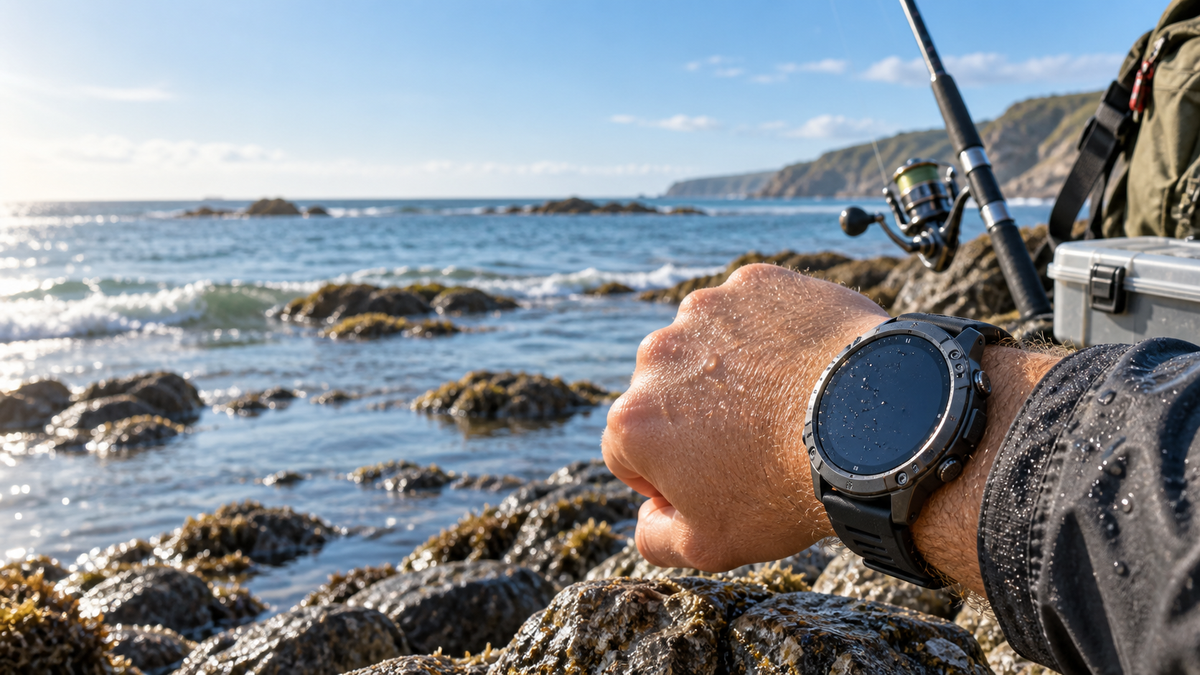
- A wrist barometer records context; it does not predict fish or storms.
1. What Is the Best Barometric Pressure for Fishing?
Pressure alone leaves out wind, light, water temperature, season, habitat and target species. Use the number to ask, Are conditions changing, and does that match what I can observe?
A barometer becomes useful when you compare readings over time and connect them with fishing notes. For a broader watch decision, use the fishing watch buying guide.
2. Understand the Number: inHg, hPa and mb
In the United States, pressure is often shown in inHg. Many digital instruments use hPa; mb is numerically equal to hPa.
| Unit | What it means | Example | Quick conversion |
|---|---|---|---|
| inHg | Inches of mercury | 29.92 inHg | Multiply by about 33.864 for hPa |
| hPa | Hectopascals | 1013.25 hPa | Divide by about 33.864 for inHg |
| mb | Millibars | 1013.25 mb | Numerically equal to hPa |
The familiar values 29.92 inHg and 1013.25 hPa describe standard sea-level pressure. They are not universal “ideal fishing pressure.” The conversion only tells you that the units describe the same pressure.
Elevation also matters. A watch may show local pressure while a weather service shows a sea-level-adjusted value. Before comparing sources, check the unit, time, location and pressure basis. When unsure, compare changes from the same device at a similar elevation.
3. Read the Trend, Then Look at the Water
“Rising,” “falling” and “steady” describe what pressure has done over a period of time. They mean little without that time period. A change over one hour is not the same observation as the same change over six hours, and neither tells you by itself whether fish will feed.
| What you see | What it tells you | What it does not prove | Practical next step |
|---|---|---|---|
| Steady reading | Pressure changed little during your chosen interval | Fish will bite normally | Log water, wind, light, effort and results |
| Gradual fall | Local pressure is trending downward | A feeding window or storm is guaranteed | Check the official forecast, radar, wind and alerts |
| Gradual rise | Pressure is trending upward | Fishing must improve or worsen | Compare cloud, wind, temperature and recent results |
| Sudden conflict | Elevation, timing, settings or conditions may differ | The watch alone explains the cause | Recheck at the same location and verify another source |
Falling pressure gives you a reason to reassess the wider weather picture. Rising pressure deserves the same attention. A relatively steady reading can help compare similar sessions, but water levels, current, temperature and boat traffic may still change. Define the trend by a clear observation period, not by every flicker of the last digit.

4. Why Local Conditions Matter More Than a Universal Threshold
A pressure range found online may sound precise while telling you little about your own water. Start with a local baseline: readings you repeatedly observe with the same instrument at the place you fish. Build it across multiple outings instead of assigning meaning to the first measurement.
- Species and habitat: a shallow pond, river channel and deep reservoir are different environments.
- Season and water temperature: a spring observation may not transfer to midsummer. Measured water temperature is more useful than substituting air temperature.
- Wind and light: record actual wind and cloud cover. Pressure does not describe how much light reaches the water.
- Water movement and clarity: include river flow, level, visibility, or locally relevant coastal tide and current information.
- Fishing effort: two bites in 30 minutes and two in four hours are not the same result.
For coastal fishing, pressure does not replace station-based tide information. Our guide to how tide watches support fishing plans explains why tide, current and weather remain separate inputs.
5. How to Observe Pressure Trends on a Watch
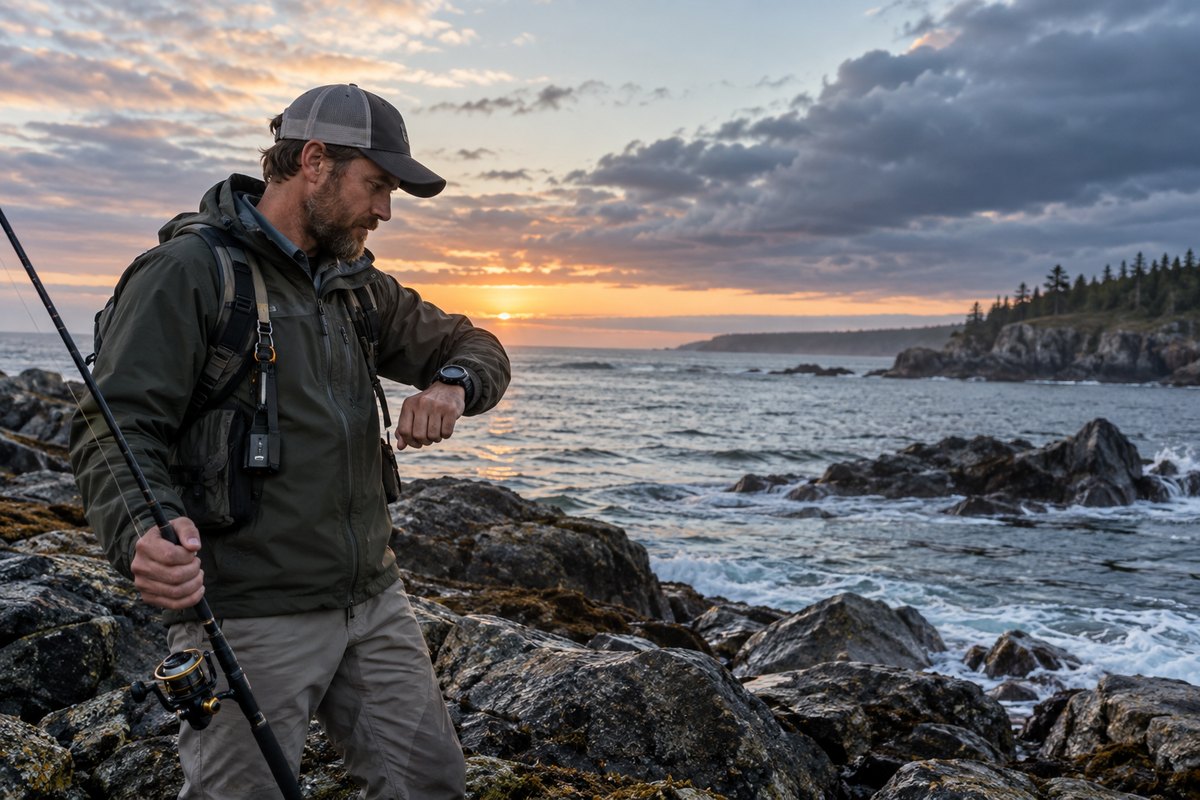
You do not need to assume the watch has a built-in historical graph. A series of timestamped readings in a notebook or phone note is enough.
- Confirm the unit. Find the barometer display and note whether it uses inHg, hPa or mb.
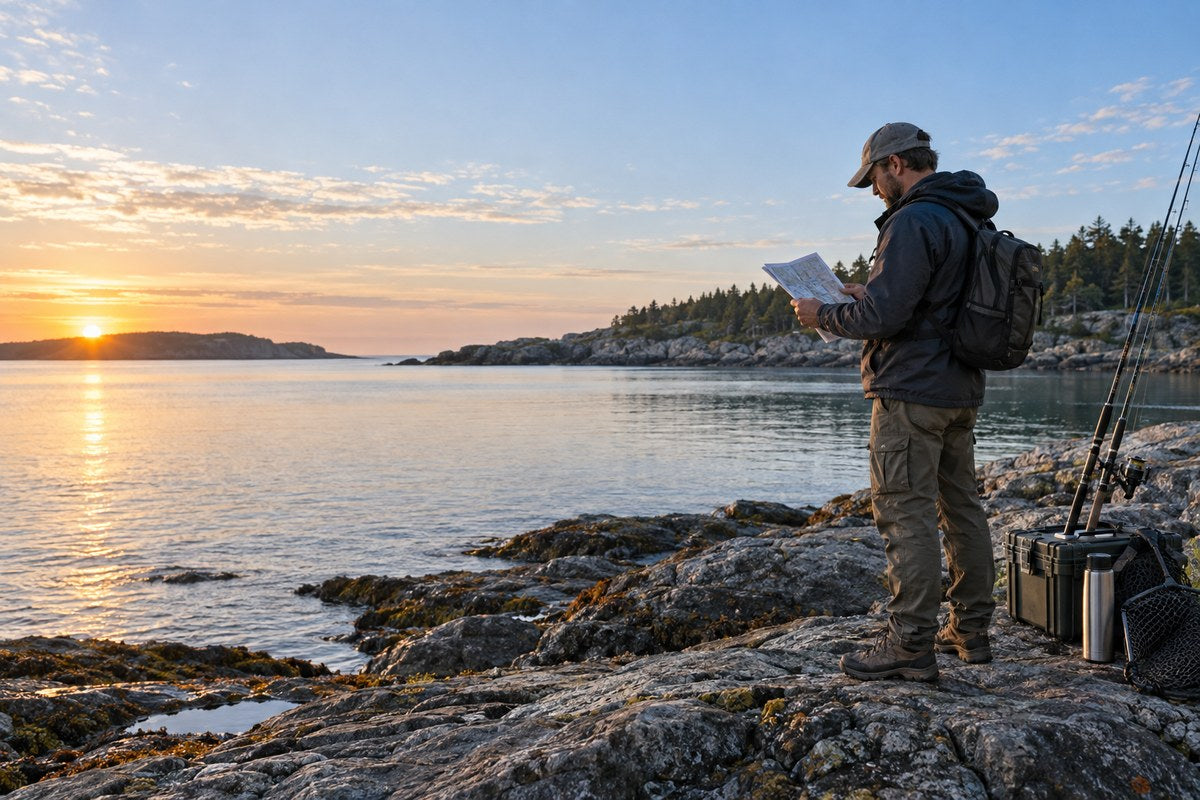
- Record a starting point. Note time, pressure and location at the water.
- Keep elevation comparable. A climb or descent can change the reading.
- Use a consistent interval. Record direction, size of change and elapsed time.

6. A Practical Before, During and After Routine
- Before: check the official forecast, set a turnaround rule and note the recent pressure trend.
- During: record pressure with wind, cloud, water and fishing effort. Change one part of the approach at a time.
- After: record time fished, target species and results, including blank sessions. Compare similar trips rather than claiming cause from one outing.
| Date / time | Pressure / unit | Location & elevation | Weather & water | Effort & result |
|---|---|---|---|---|
| Start, interval and finish | Reading plus rising, falling or steady | Same shoreline point? Meaningful climb or descent? | Wind, cloud, temperature, clarity, flow or tide | Species, presentation, time fished, bites and catches |
7. Where the WalkerFit Motion 6 GPS Fits
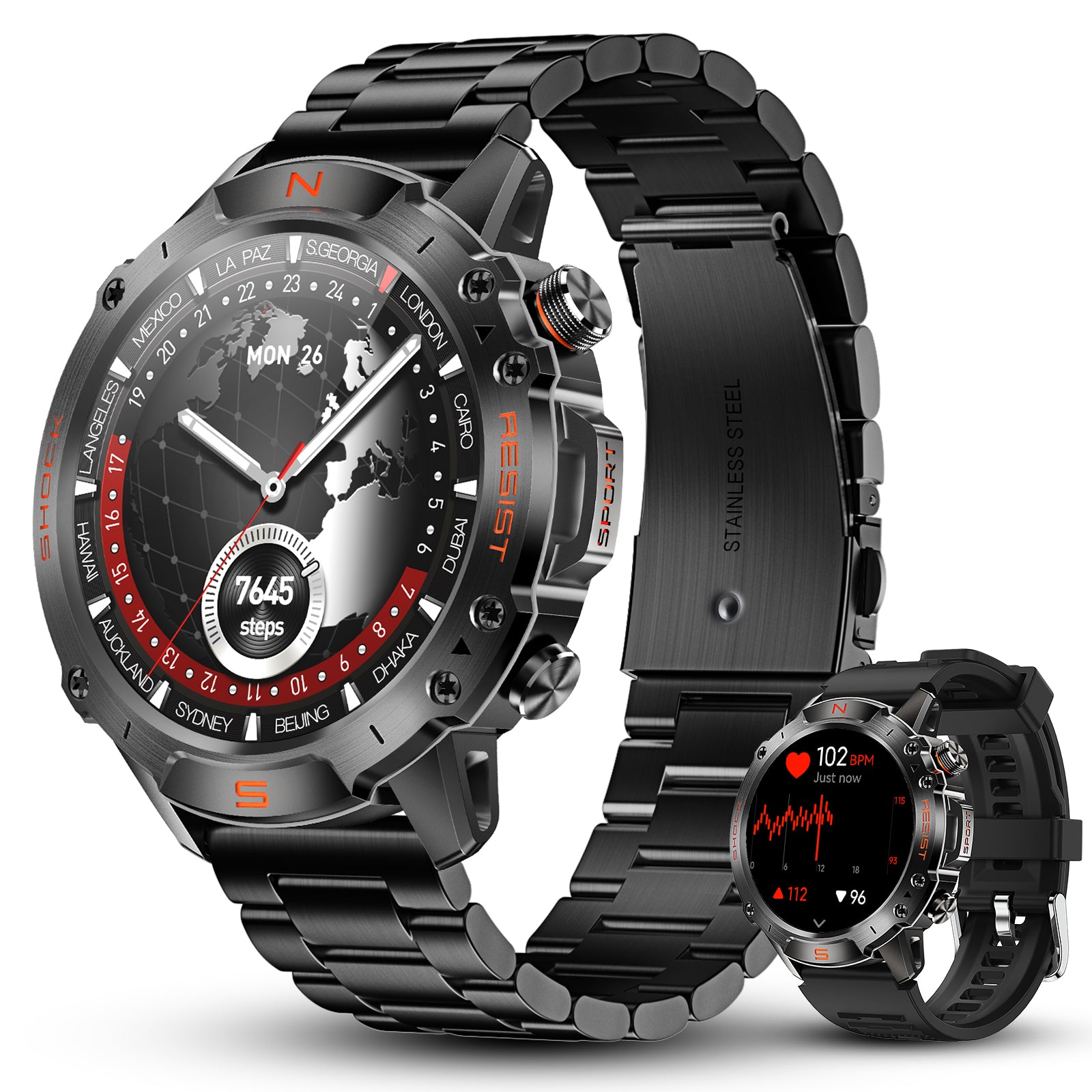
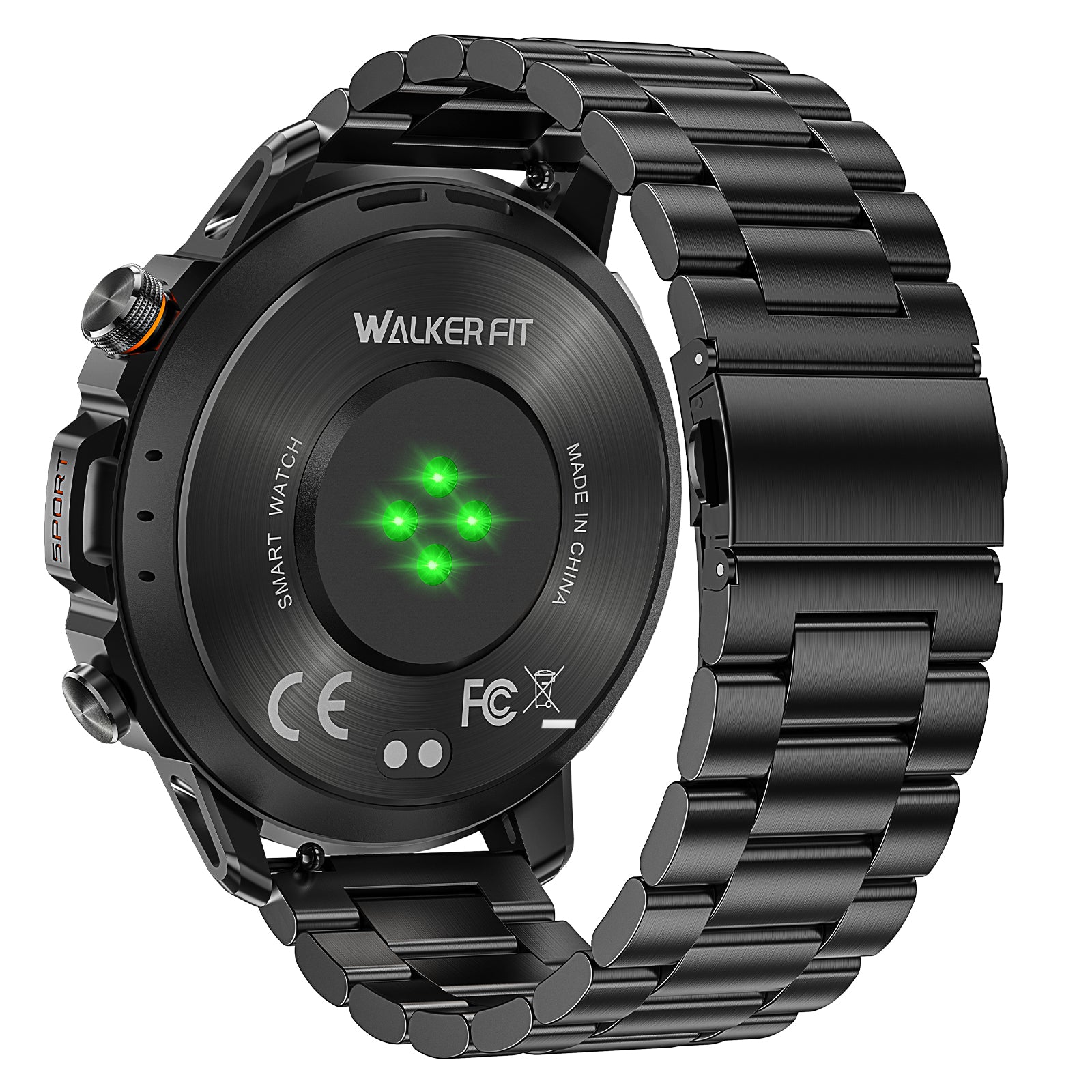
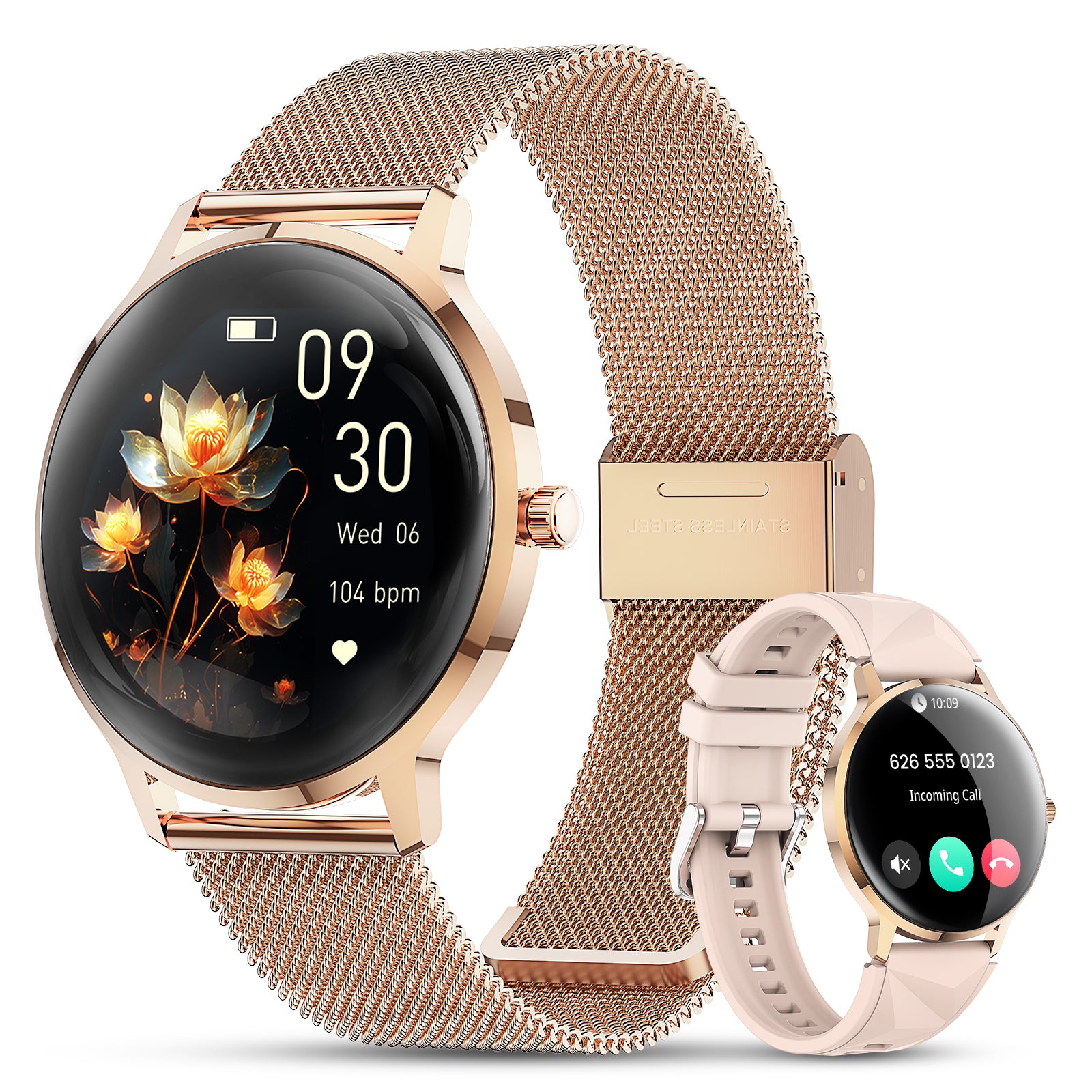
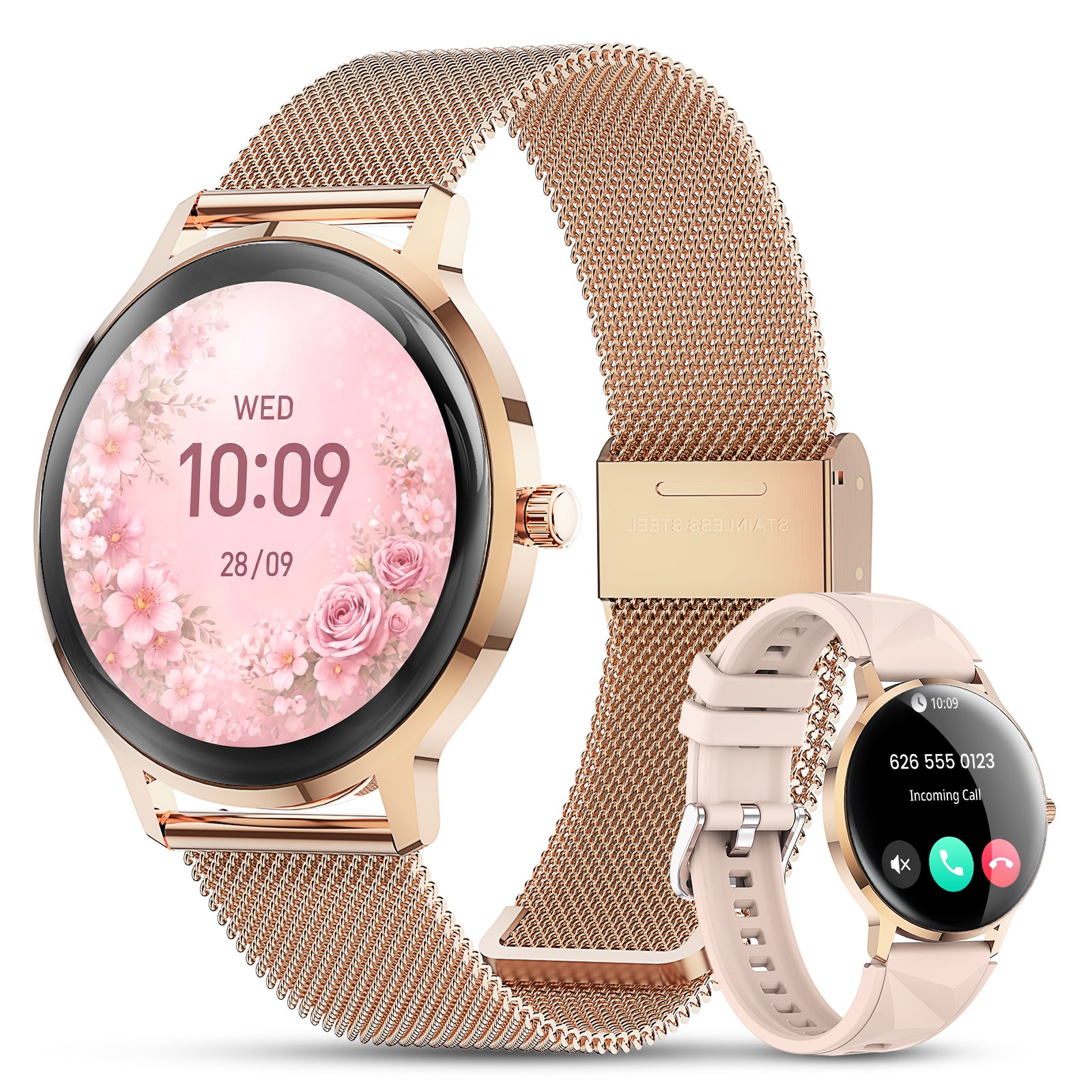
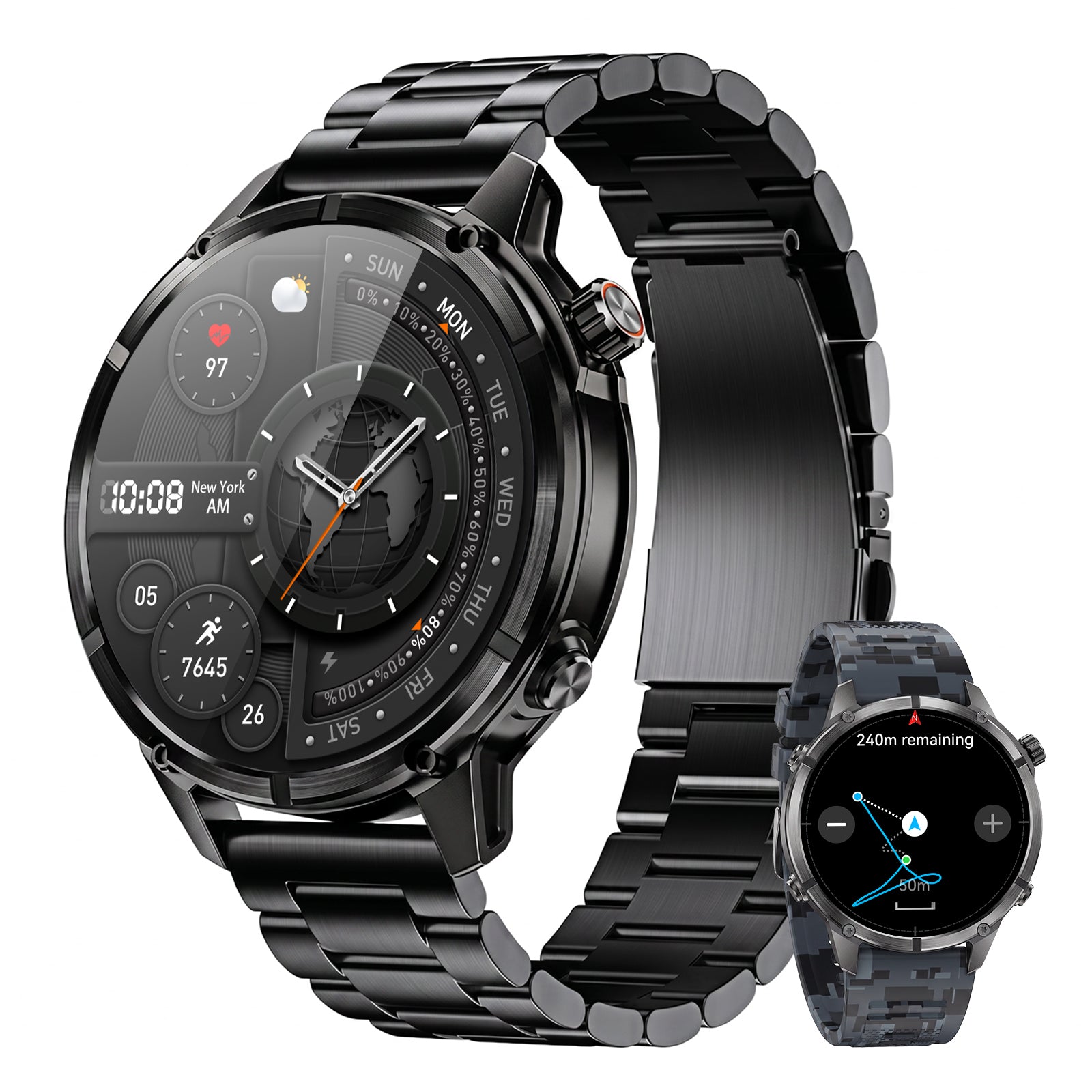
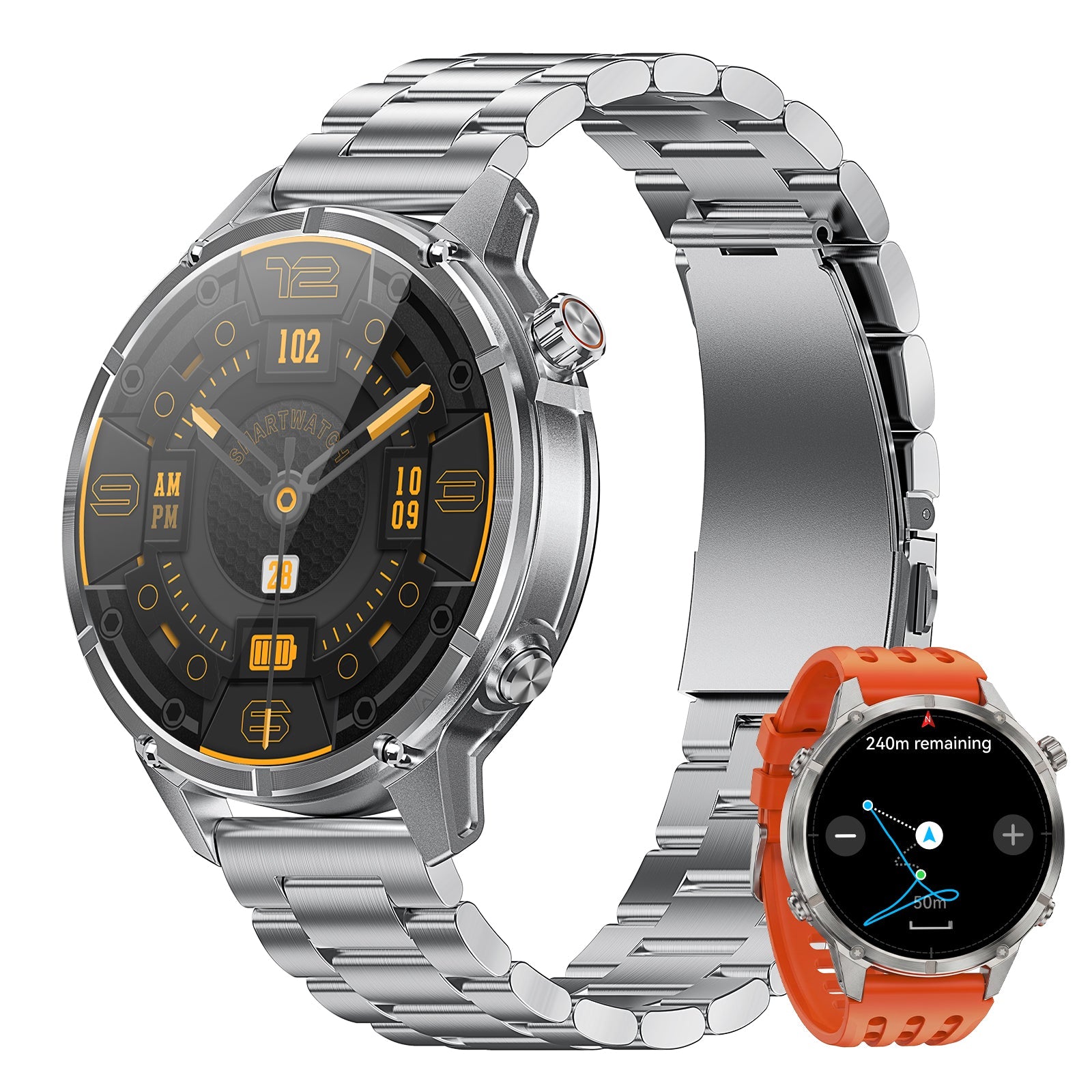
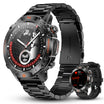
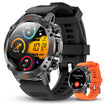
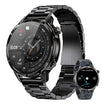
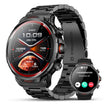
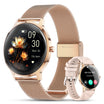
The WalkerFit Motion 6 GPS includes a barometer, giving you a wrist-accessible pressure reading for this observation routine. It also includes built-in multi-system GPS, route recording, a compass and an altimeter.
Its 1.43-inch AMOLED display is rated up to 1,000 nits, while four physical buttons, 5 ATM water resistance and GloryFit Pro connectivity support general outdoor use. These are separate capabilities: the barometer does not predict fish activity, weather, storms or tides, and this article does not claim an unverified automatic pressure-history graph.
If a barometer and built-in GPS are not central to your needs, use the WalkerFit model comparison or browse the broader outdoor watch collection before choosing.

Motion 6 GPS
Built-in multi-satellite GPS and route recording, plus compass, barometer, altimeter, 1.43-inch AMOLED display, four physical buttons and 5 ATM water resistance.
$129.90$162.38
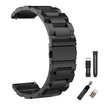
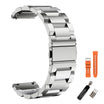
For fit and wet-weather comfort, you can also review compatible 22 mm watch bands. Product setup and common account questions are covered in the WalkerFit FAQs.

8. Common Barometric Pressure Mistakes
- Chasing a “perfect” number: a published range cannot account for every species, place, season, elevation and display convention.
- Mixing local and sea-level readings: confirm both the units and pressure basis before comparing sources.
- Ignoring elevation: a climb or descent can affect the reading independently of changing weather.
- Overreading tiny movements: consider device precision and the observation period.
- Remembering only good trips: log slow days and fishing effort so your record is not built on memorable catches alone.
- Using pressure as a safety forecast: rely on authoritative forecasts, alerts and the conditions you observe.
9. The Practical Verdict
The best barometric pressure for fishing is not a fixed value. The most useful pressure information is a comparable local trend connected to time, place, weather, water and your actual fishing effort. A wrist barometer makes the number convenient to check; your notes and judgment make it meaningful.
Use the same device at a similar elevation, keep a consistent interval, and test patterns across many outings. Keep official forecasts and safety information in charge of weather decisions. If you want to explore other smartwatch roles before buying, compare Motion 6 Silicone, Motion 6 Steel, or all WalkerFit watches.
Frequently Asked Questions
Q1: Is there a single best barometric pressure for fishing?
No. Compare the trend and rate of change with local conditions, season, target species and your own records. An isolated number provides limited context.
Q2: Is rising or falling pressure better for fishing?
Neither guarantees better fishing. Both may accompany changing conditions, so observe wind, light, water temperature and fish activity before adjusting your approach.
Q3: What does 29.92 inHg mean?
It is approximately equivalent to 1013.25 hPa or mb and represents standard sea-level pressure. It is not a universal target for productive fishing.
Q4: Are hPa and mb the same?
Yes. One hectopascal equals one millibar, so 1010 hPa is numerically equal to 1010 mb.
Q5: Why does my watch differ from my weather app?
The sources may use different units, locations, times, elevations or pressure conventions. A watch may show local pressure while an app shows a sea-level-adjusted value.
Q6: Can I track pressure without a graph on my watch?
Yes. Write down the pressure and time at consistent intervals from a similar elevation, then compare successive readings to identify direction and pace.
Q7: Can Motion 6 GPS predict fishing conditions?
No such prediction is claimed here. Its confirmed barometer supports pressure observation; combine that reading with official forecasts and what you observe at the water.