

Quick answer
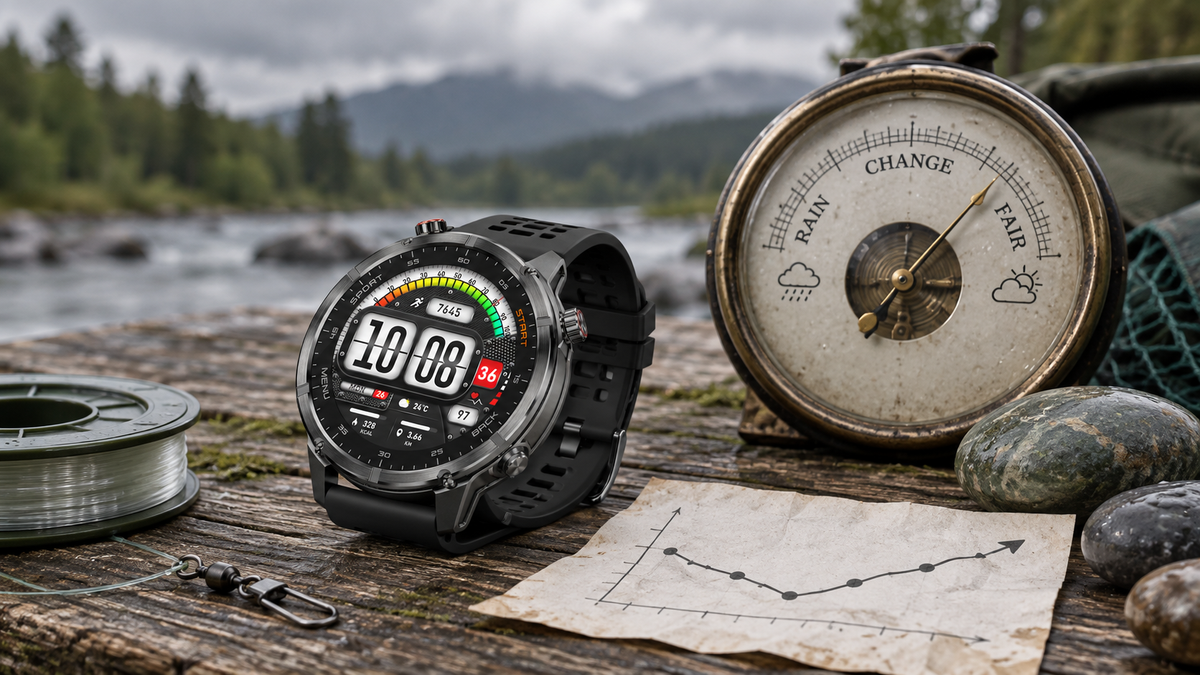
Use a barometric pressure fishing chart to label the trend as rising, steady, or falling. Compare readings from the same place and similar elevation. Then add wind, cloud, water temperature, season, and your fishing result. There is no single “best” pressure that works for every species and every lake.
What do barometric pressure numbers mean?
Barometric pressure is the force of the air above you. Weather reports often show it in inches of mercury, written as inHg, or hectopascals, written as hPa. A millibar, or mb, is equal to one hPa. The National Weather Service uses the conversion hPa = inHg × 33.864.
Standard sea-level pressure is about 29.92 inHg, or 1013.25 hPa. That is a reference point, not a fishing target. Local pressure can sit above or below it for many normal reasons. Elevation also matters. A raw pressure reading is lower on a mountain than at the coast, even under a similar weather pattern.
Your app and watch may not show the same number. One may show local pressure while the other corrects the reading to sea level. Check which view each device uses before you decide that one is wrong. For fishing notes, consistency is more useful than switching between sources.
A practical barometric pressure fishing chart
Many online charts give a bite score for narrow pressure bands. That looks precise, but the evidence does not support a universal rule. A better chart explains what the trend says about the weather and what to check next.
| Trend | What it means | What to check at the water | What not to assume |
|---|---|---|---|
| Steady | Pressure changes very little over the period you are watching. | Water temperature, light, current, clarity, depth, cover, and recent fishing pressure. | Steady pressure does not guarantee steady fish behavior. |
| Slowly falling | A low-pressure system or front may be getting closer. | Wind direction, cloud cover, rain timing, and safe access. | A falling line does not guarantee a feeding window. |
| Rapidly falling | Weather may be changing quickly. | Official alerts, lightning risk, wind, waves, and your exit plan. | Never trade weather safety for a fishing theory. |
| Slowly rising | A system may be moving away and air may be becoming drier. | Sky clearing, wind shift, water movement, and where bait is holding. | Rising pressure does not mean fish have stopped biting. |
| High or low but stable | The absolute number has stayed on one side of normal. | Your own records from the same season and water. | High and low labels alone do not predict success. |
The useful part is the relationship between the pressure line and the rest of the day. A falling line with thickening clouds and increasing wind describes a different trip from a falling line that moves only slightly during calm weather.
How do you read a three-hour pressure trend?
Marine weather observers report pressure tendency as the actual change during the past three hours. They do not take a 24-hour change and divide it by eight. Anglers can use the same simple idea.
- Choose one source. Use the same watch view or weather source for the full comparison.
- Record the starting value. Note the time, place, and whether you changed elevation.
- Check again three hours later. Subtract the first value from the second. A positive result is rising. A negative result is falling.
- Describe the line. Write steady, slowly rising, slowly falling, or rapidly changing. You do not need a dramatic label for tiny movements.
- Add what changed around you. Note wind, cloud, rain, water temperature, clarity, and where bites came from.
A small daily wave can appear in pressure even without a strong weather change. That is another reason to compare the graph with a forecast and visible conditions. Do not react to every short bump.

Pressure is one line in a larger weather story
Fish live in water, not on a phone chart. Water temperature can change where fish hold and how fast they move. Wind can push warm surface water and food toward one bank. Cloud can change light levels. Rain can change flow and clarity. Season sets the wider pattern.
Scientific evidence on pressure and feeding is limited. A Bemidji State University study ran 12 trials with yellow perch under rising, falling, and steady pressure. It did not find a significant effect on how much the fish ate. The authors also found that acclimation affected feeding. This was one controlled study on one species, so it does not settle every fishing question. It does show why a single pressure number should not be treated as a switch.
Use pressure to form a question. For example: “When the line falls and the wind reaches this bank, do I find more bait near shallow cover?” That question can be tested in your own log. “Fish always bite at 29.80” cannot.
How can a watch barometer help while fishing?
A wrist barometer makes the current reading easy to check without keeping a phone in your hand. It is most useful for noticing change after you arrive. Keep the watch at a similar elevation when you compare readings. If you hike up or down, pressure changes may reflect the move as well as the weather.
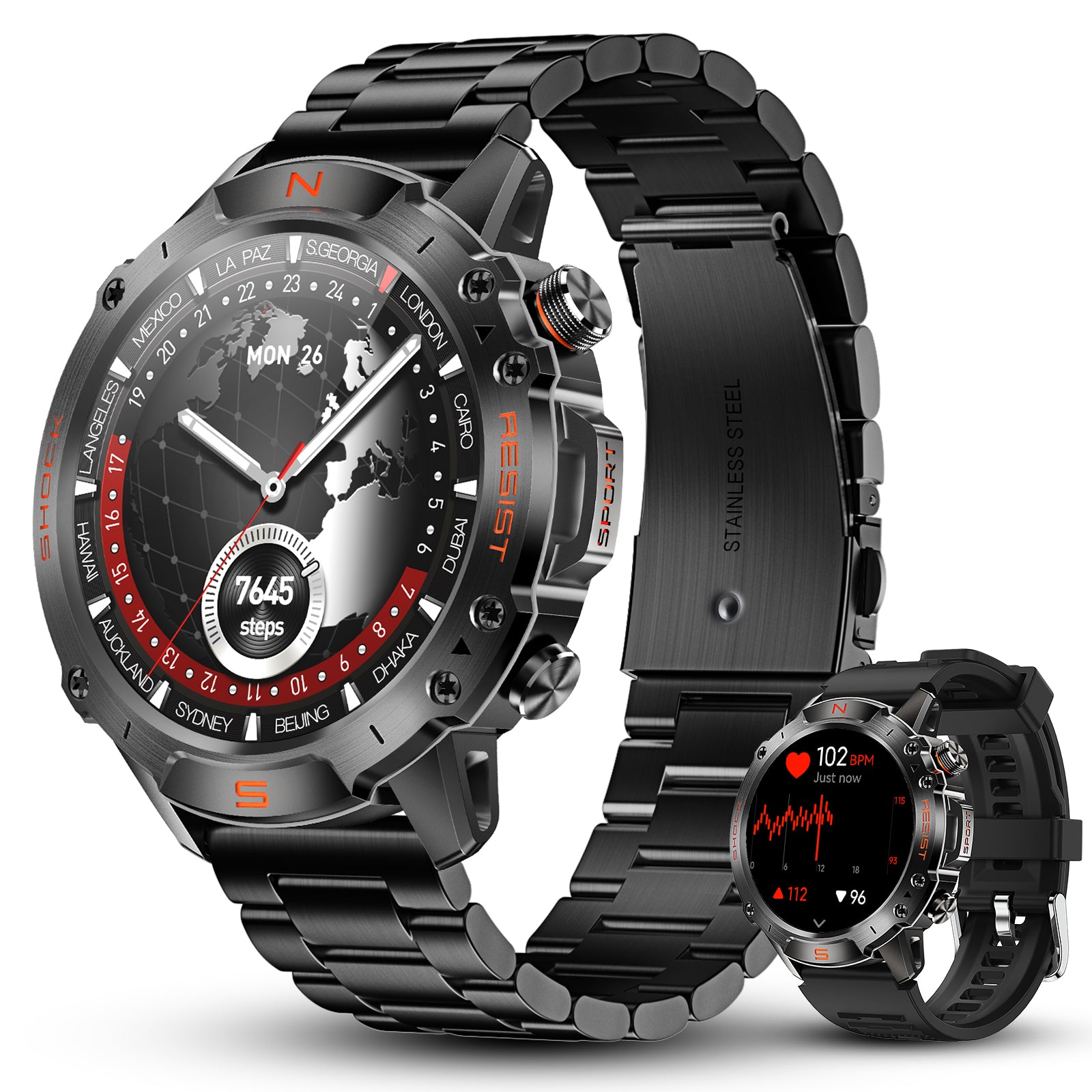
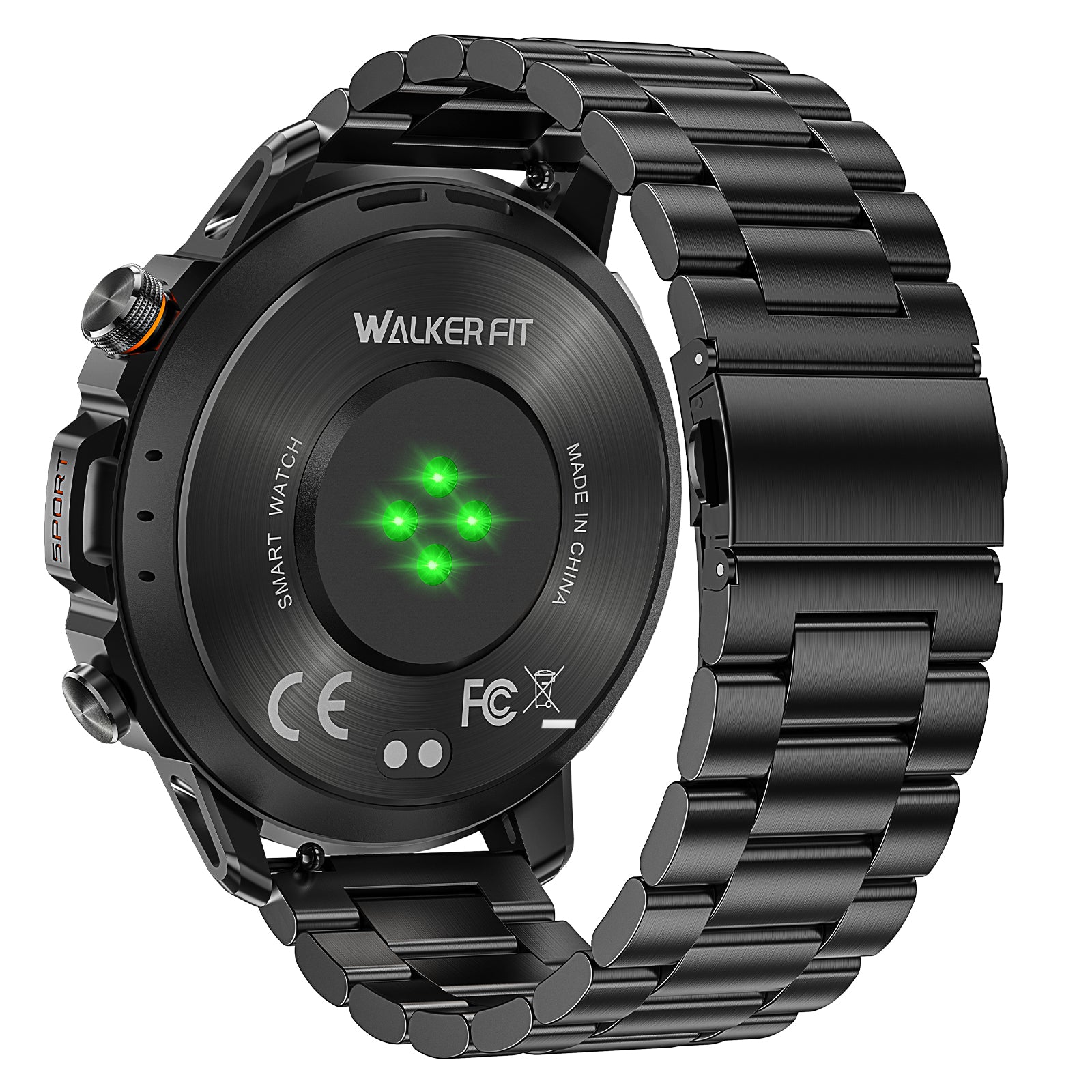
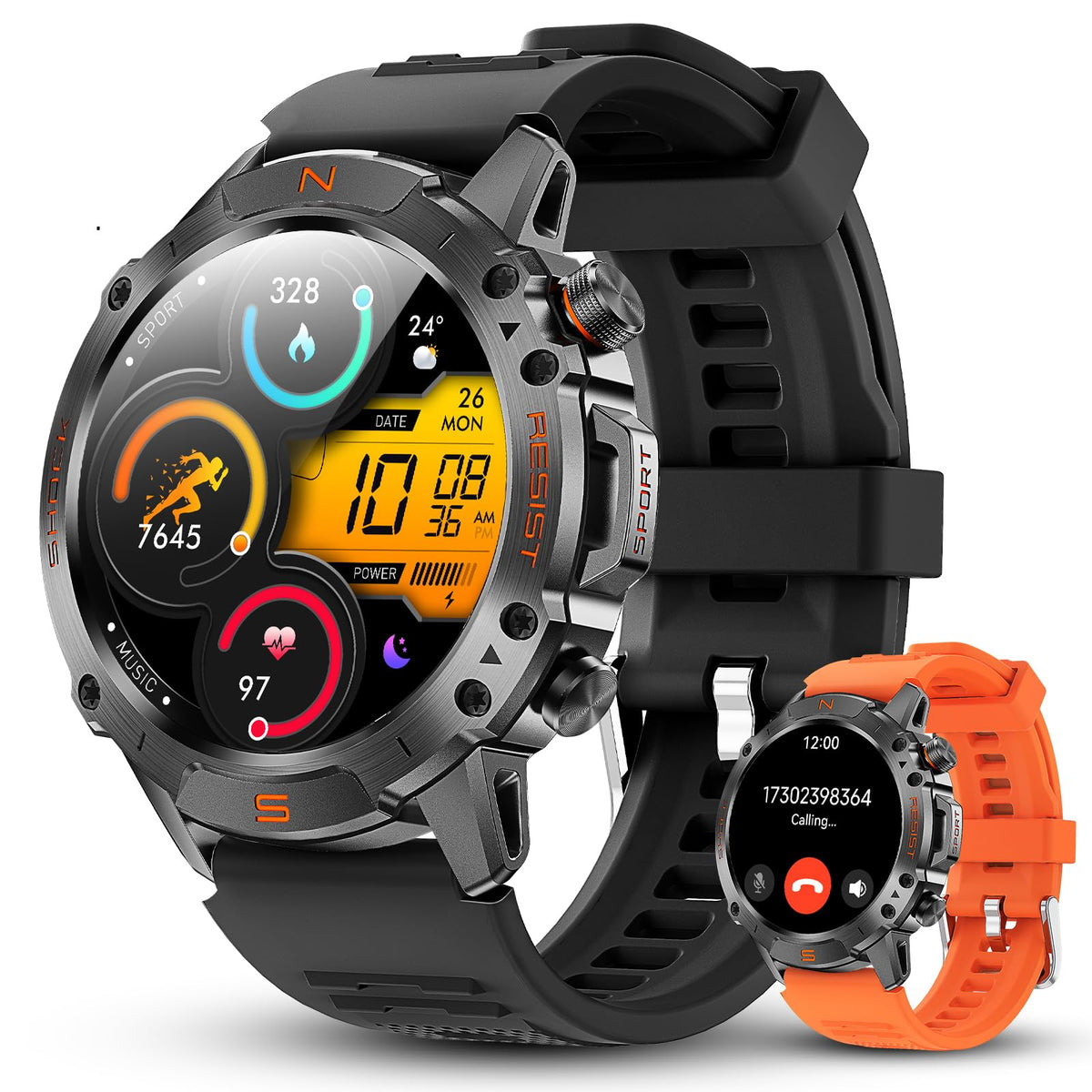
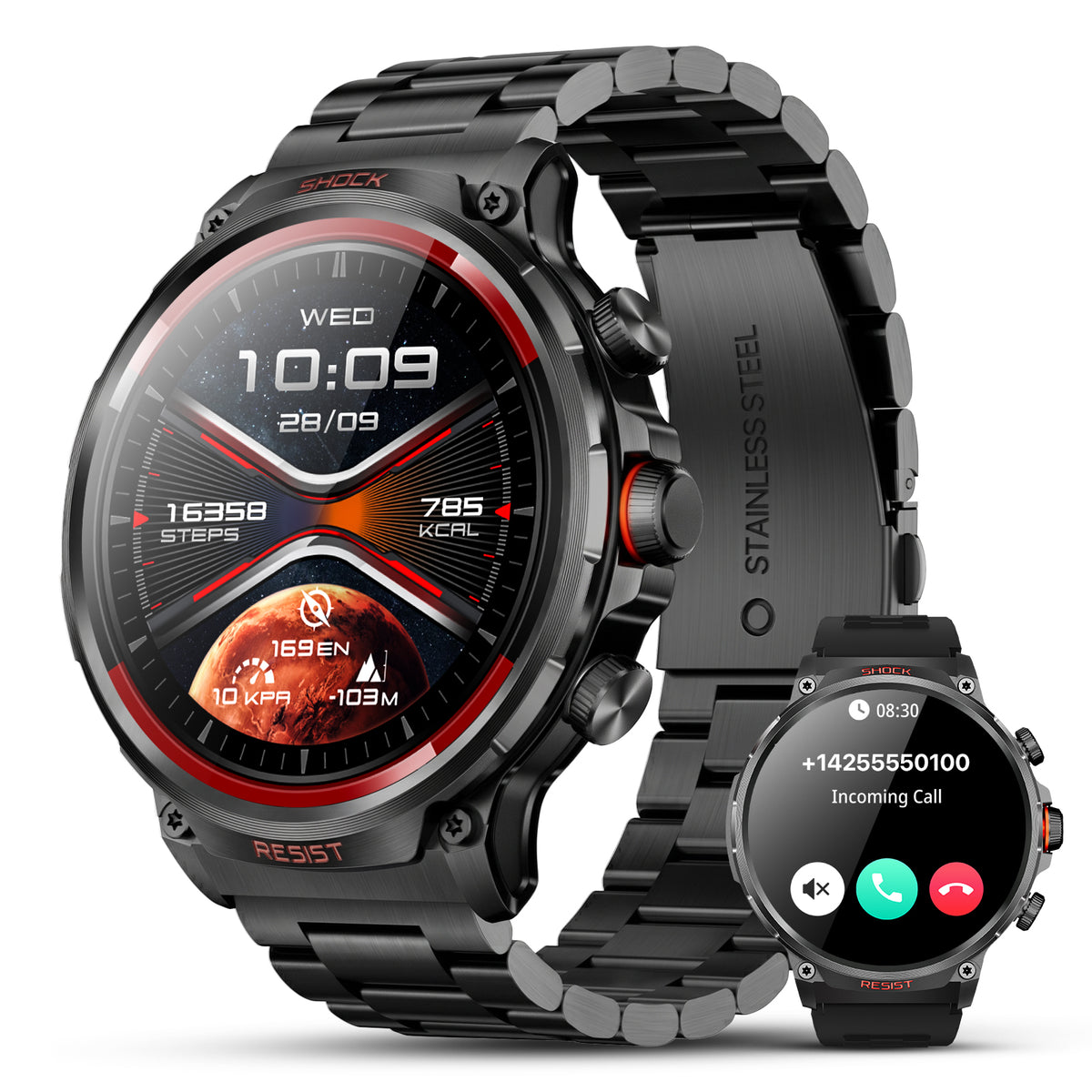
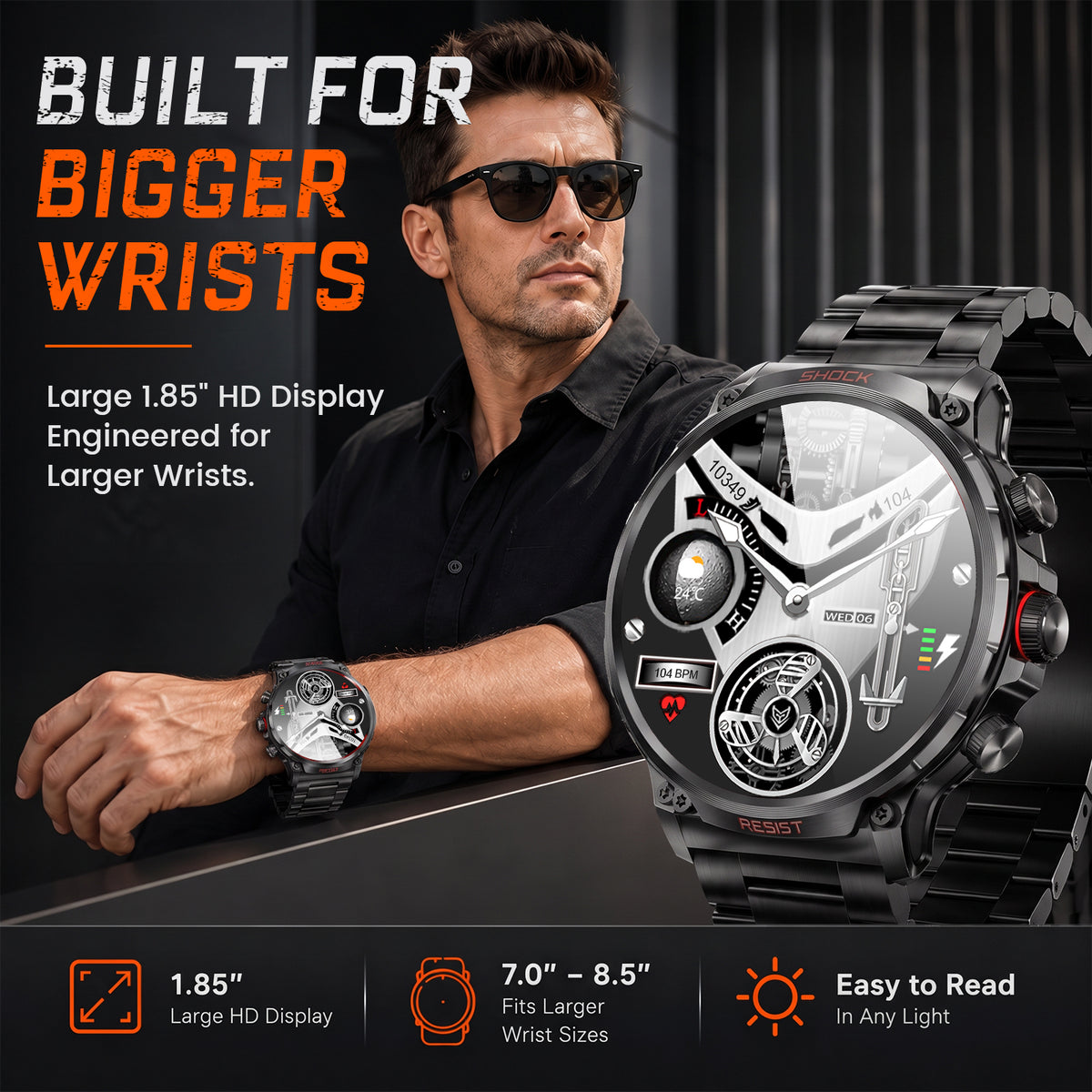
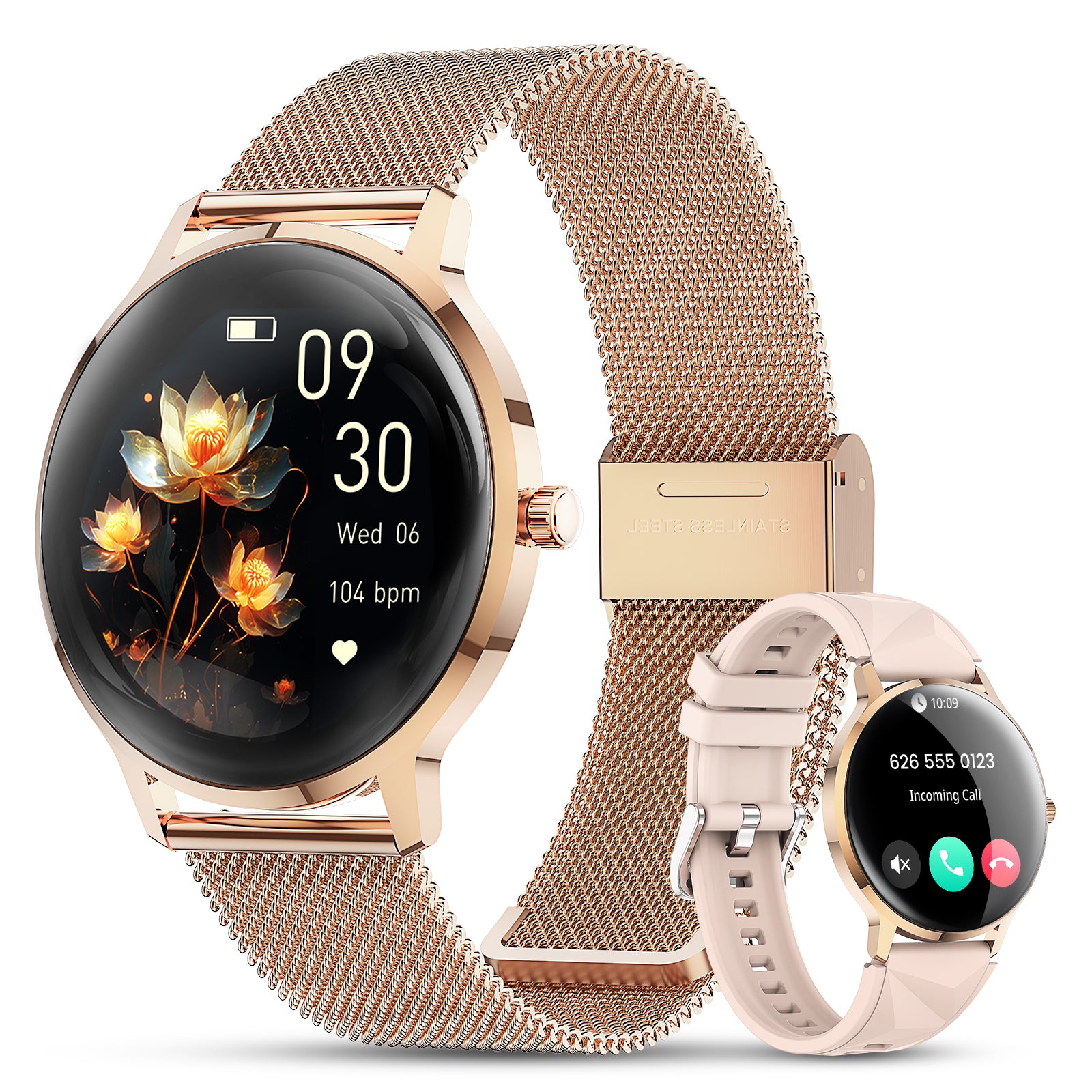
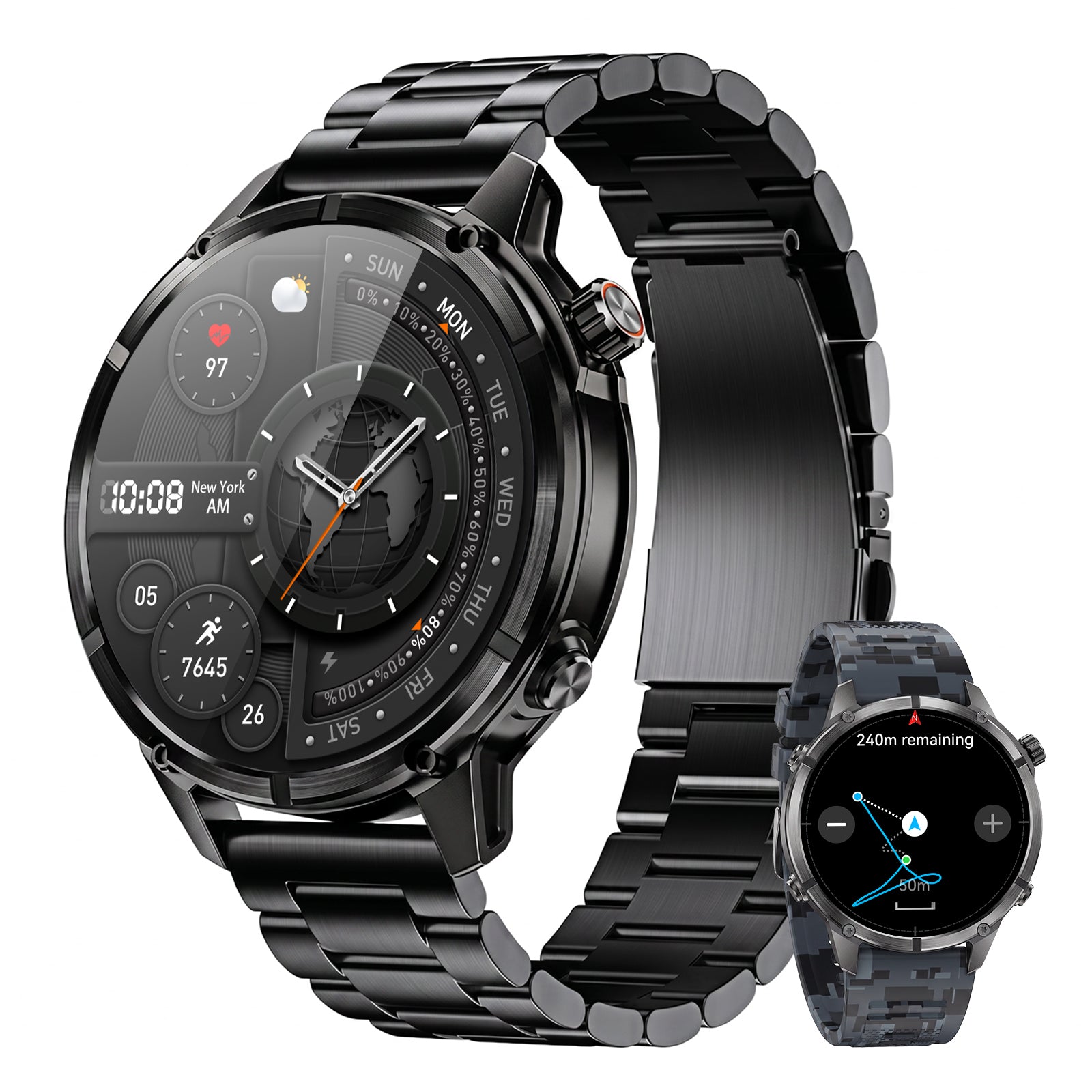
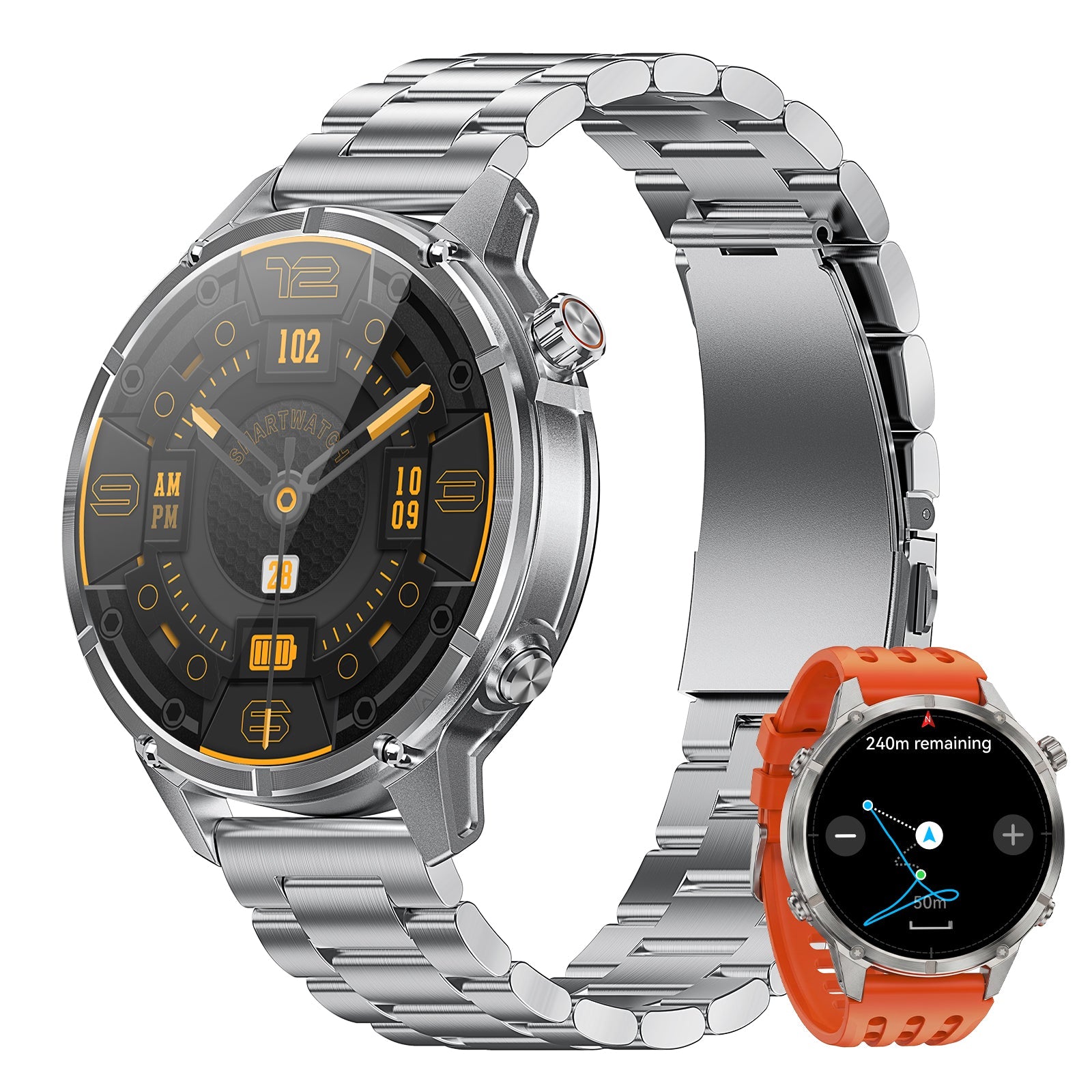
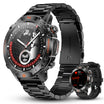
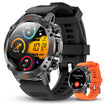
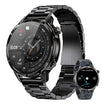
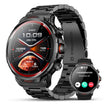
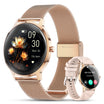
WalkerFit Motion 6 GPS combines a built-in barometer and altimeter with multi-satellite GPS, route recording, and a compass. That gives an angler pressure context, direction, and a record of the route in one device. It also works as an everyday smartwatch with activity, sleep, heart-rate, notification, calling, music, and weather features. Use the watch for local trend awareness. Use your phone or an official source for the wider forecast and safety alerts.

Motion 6 GPS
Useful outdoor context without turning a pressure number into a promise.
$129.90$162.38
Build a pressure chart for your own water
A personal chart is more useful than a universal bite table. Keep it short enough that you will fill it out. Record the same fields on at least several trips before looking for a pattern.
| Field | Example | Reason |
|---|---|---|
| Date, time, place | Sept. 22, 7:15 a.m., north bank | Keeps the observation tied to one setting. |
| Pressure and trend | 29.86 inHg, slowly falling | Separates the value from its direction. |
| Elevation change | None after arrival | Helps explain sensor movement. |
| Weather and water | Cloud building, west wind, 68°F water | Adds stronger fishing variables. |
| Presentation and depth | Small jig near 8-foot cover | Records what the fish could respond to. |
| Result | Three bites in 40 minutes | Creates a result you can compare later. |
After ten or more useful entries, sort them by season and location. Look for repeatable combinations, not the day with the biggest fish. Your chart should help you choose a starting plan. It should never stop you from going fishing when conditions are safe.
Frequently asked questions
What is the best barometric pressure for fishing?
There is no universal best value. Use the trend with season, water temperature, wind, light, and your own records.
Is falling pressure always better for fishing?
No. It may arrive with a weather change that also changes wind, cloud, rain, and water movement. Those factors are hard to separate in real trips.
Why does my watch differ from the weather app?
The watch may show local pressure while the app shows a sea-level-corrected value. Elevation, calibration, and update time can also cause a difference.
Should I use inHg or hPa?
Either unit works. Pick one and use it consistently. One inHg equals about 33.864 hPa.
Use the chart to ask better questions
A good barometric pressure fishing chart does not rate the day. It helps you describe change. Mark the trend, add the rest of the weather, and record what happened. Over time, that gives you a practical picture of your own water.