

Quick answer
A fishing barometer watch measures air pressure at your wrist. Watch the trend over time, not one magic number. Keep the watch at a similar elevation when comparing readings, because altitude also changes pressure. Use official weather information for forecasts and warnings.
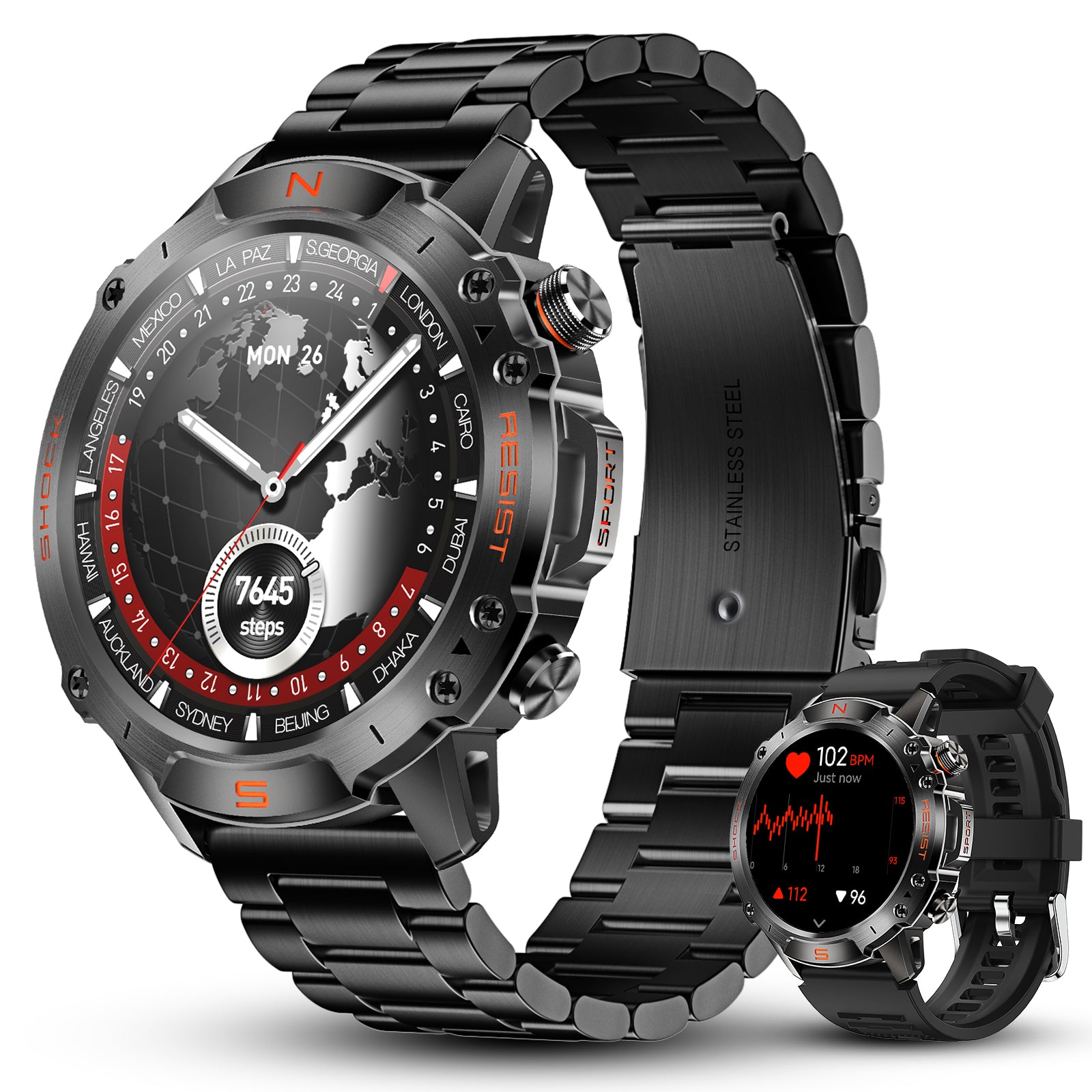
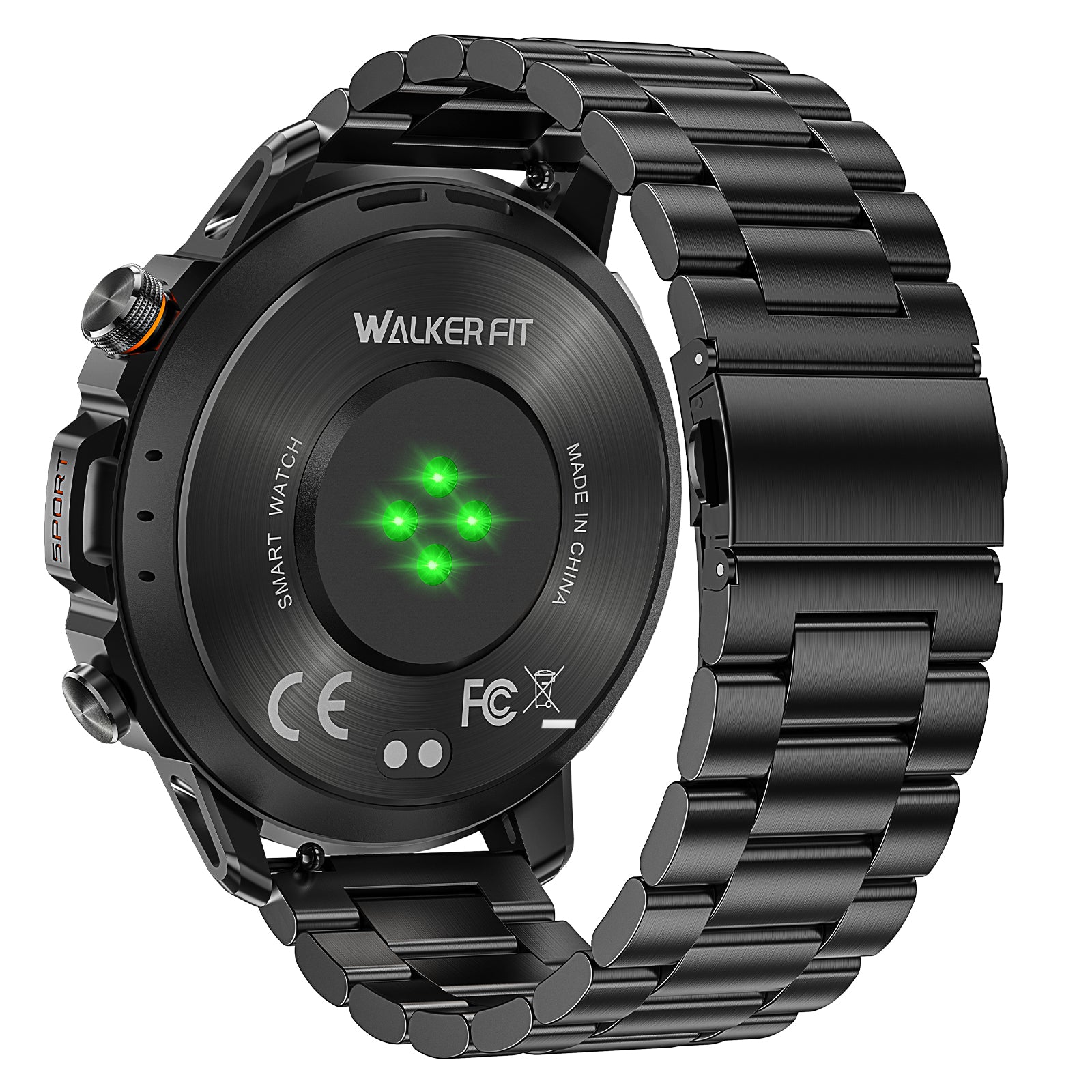
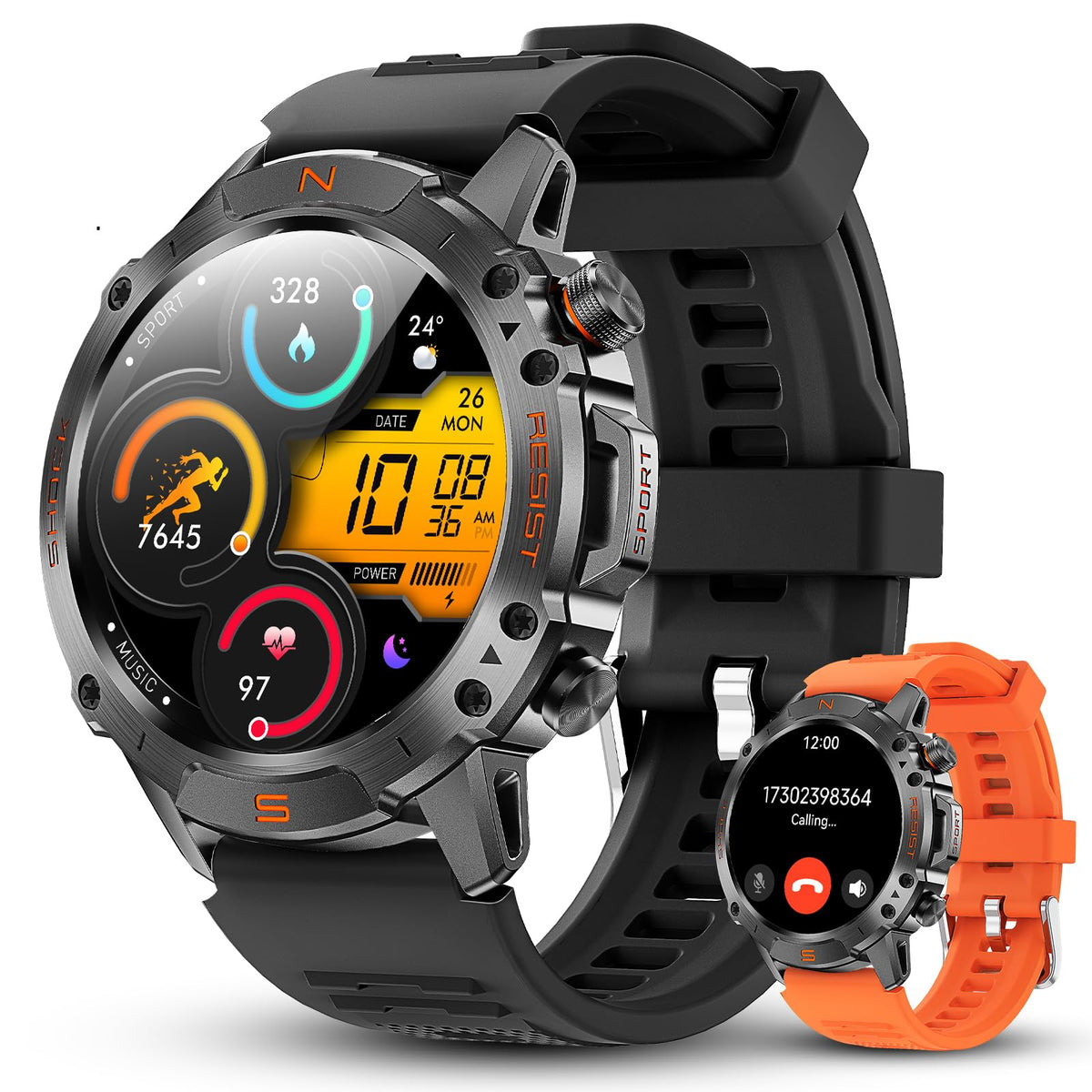
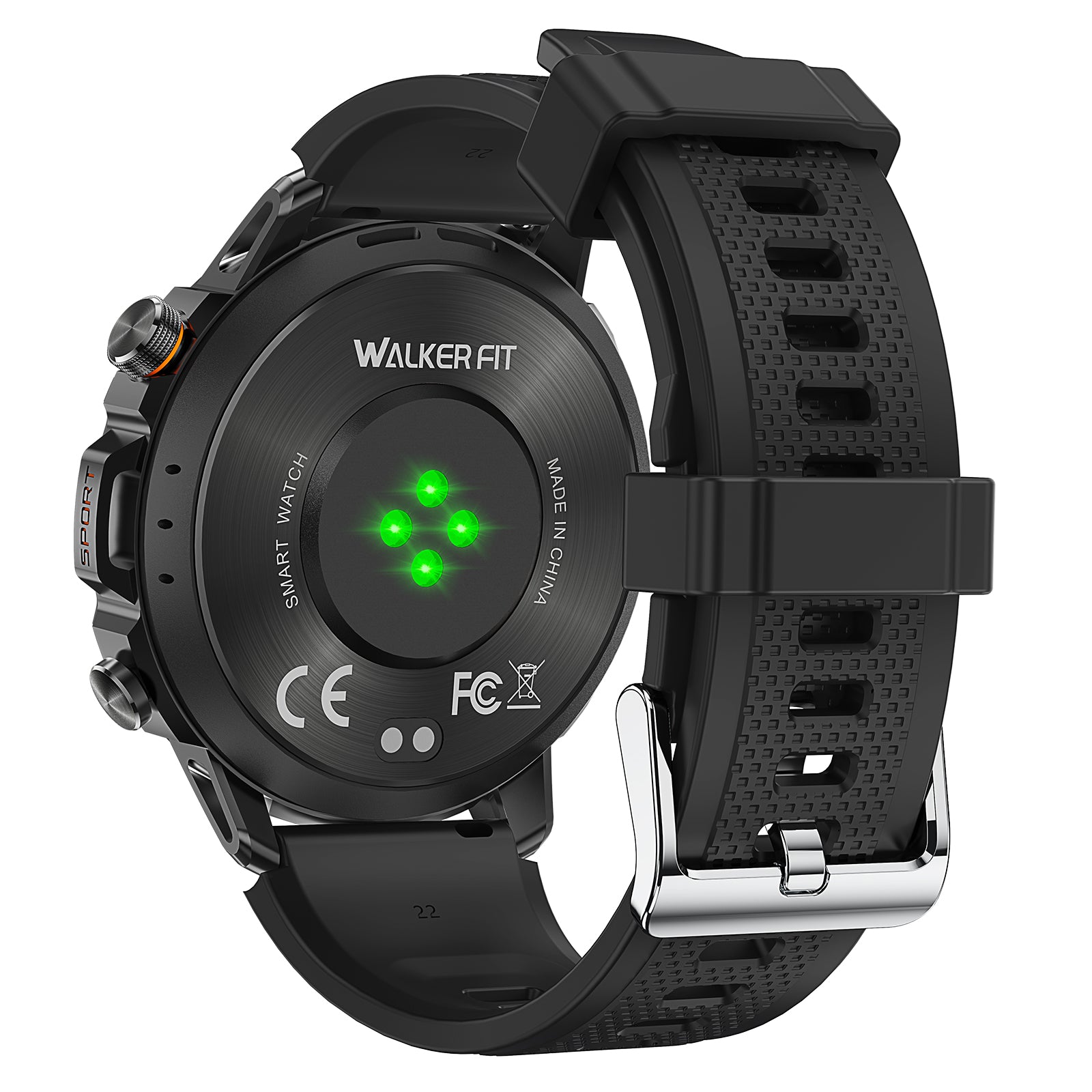
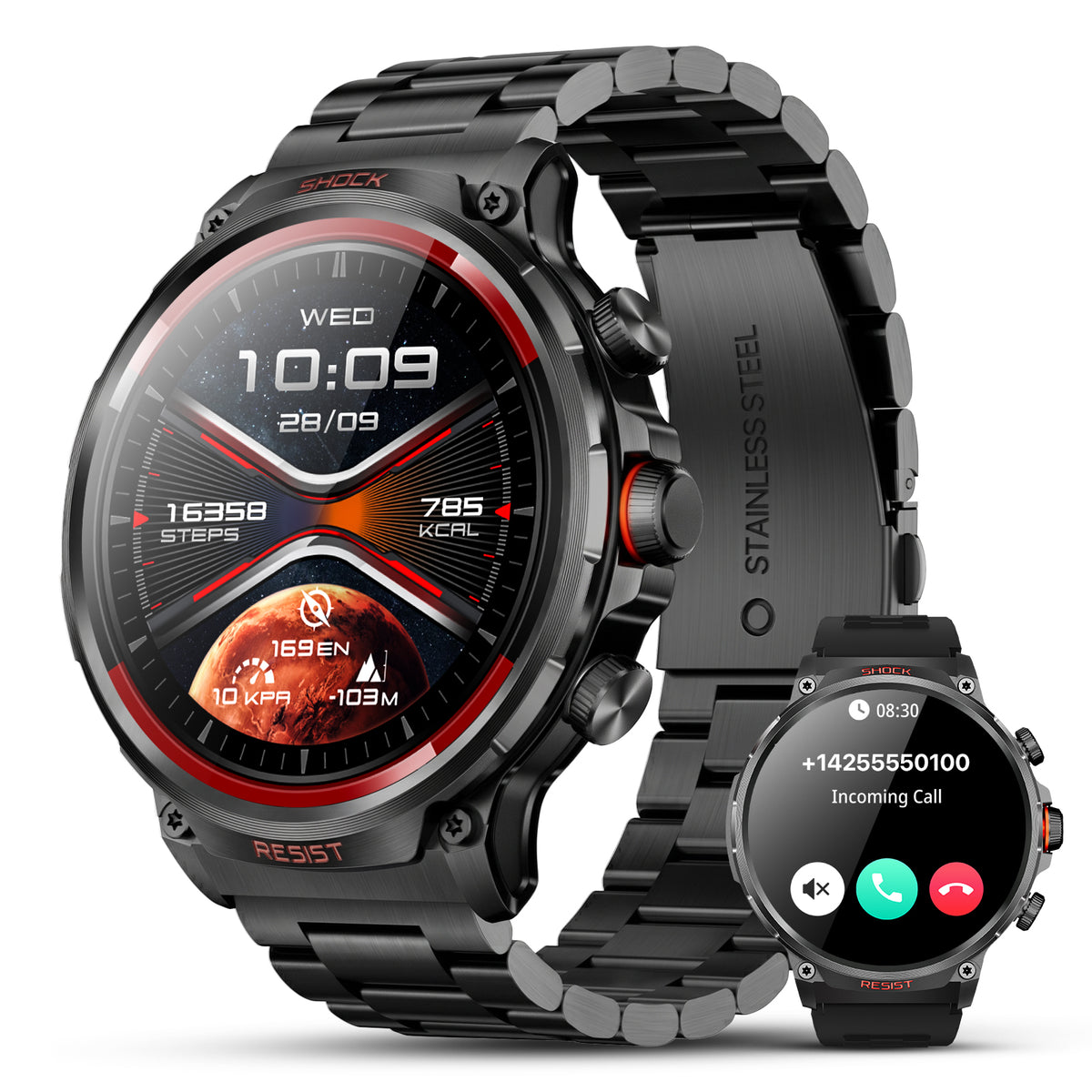
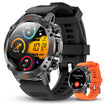
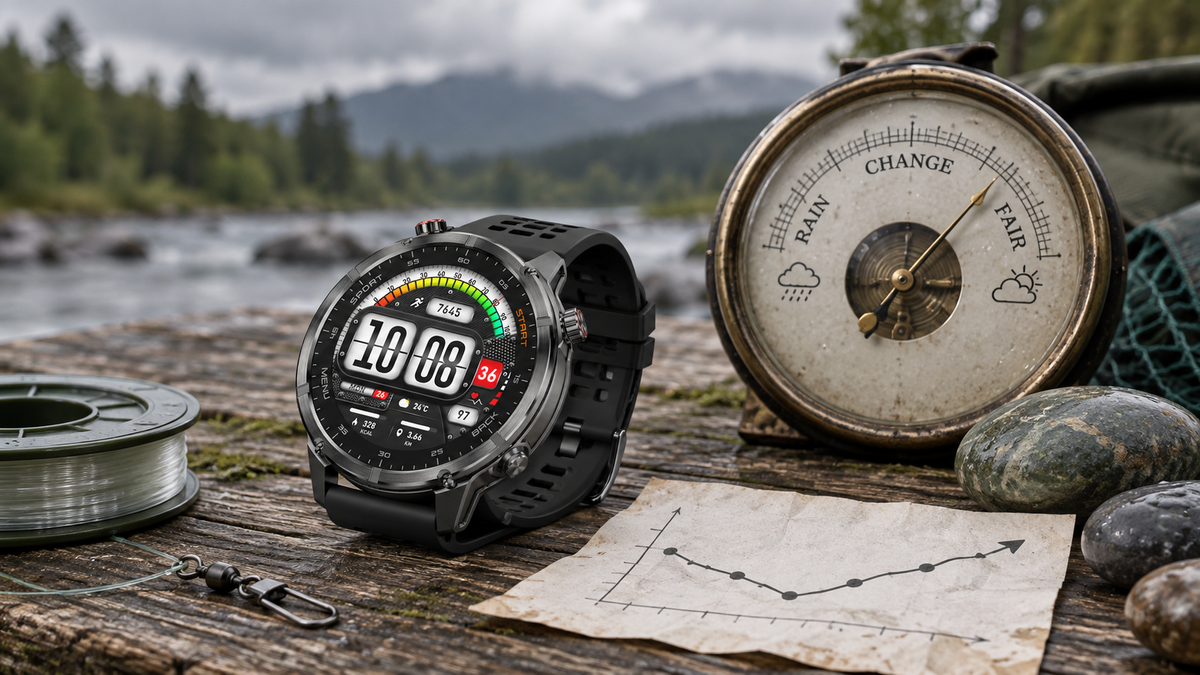
Best value example: WalkerFit Motion 6 GPS includes a built-in barometer and altimeter, along with GPS, route recording and a compass. It suits anglers who want outdoor context near $130. More expensive watches add maps, fishing logs or marine systems rather than making fish behavior predictable.
What a barometer watch actually measures
A barometer measures air pressure. Many outdoor watches use the same pressure sensor to support both barometer and altitude information. The software decides how to interpret the change. If you stay at one elevation, a pressure change is more likely to reflect weather. If you climb a hill, the lower pressure may come from elevation instead.
This is why context matters. A falling reading while you sit at the same lakeside spot is different from a falling reading while walking down a canyon. Garmin's outdoor-watch guidance describes a barometer mode that assumes pressure changes come from weather when the user remains at a stable elevation. The same basic idea helps with any wrist barometer: compare like with like.

Absolute pressure and sea-level pressure are not always the same
A watch may show local pressure at your elevation, a corrected sea-level value or a graph without making the difference obvious. Two devices can therefore show different numbers and both be working as designed. Read the manual, choose a unit such as hPa or inHg and use the same view each time.
A barometer is not a fish finder
Anglers often connect pressure changes with fish activity, but there is no single pressure number that guarantees success. Water temperature, light, current, depth, season, prey and local behavior all matter. The useful question is not “What number makes fish bite?” It is “What conditions were present when this place worked for me?”
How to read barometric pressure for fishing
- Set a baseline. Check the watch at the same location before the trip. If the device supports calibration, follow its official steps and use a trustworthy local reference.
- Look at direction. Note whether the trend is rising, steady or falling. A smooth trend is more useful than reacting to every small change.
- Keep elevation in mind. Separate weather movement from a hike up or down. Compare readings taken near the same water level when possible.
- Add the fishing conditions. Record water temperature if available, cloud, wind, current, clarity, time and what the fish were doing.
- Compare your own trips. After several visits, look for patterns at that water. Do not force a universal rule onto every lake or river.
Take readings at simple points: before leaving, at arrival, around any clear weather change and at the end. Constantly watching the graph can distract from the water. A short record gives enough information to learn without turning the trip into a data project.
Four mistakes that make pressure data less useful
1. Treating one number as a bite forecast
A single reading has little meaning without trend, time and place. If an article promises that a precise pressure always creates good fishing, treat that claim with care. Fish and water systems are not controlled by one sensor.
2. Mixing readings from different elevations
Driving from a high home to a low river can change the reading before weather is considered. Mark the location and allow the watch time to settle. Use altitude information to understand the move rather than calling it a sudden storm signal.
3. Blocking or dirtying the sensor opening
Clothing, mud, water and debris can affect a pressure port. Wear the watch as directed and keep the opening clean according to the product manual. Do not push tools into a sensor hole.
4. Using the watch as the only weather source
A wrist sensor samples conditions at one place. It does not see a full weather system. Check an official forecast before the trip and follow local alerts. Use the watch for current context and trend awareness, not for guaranteed storm warning.

Three types of fishing watches with barometers
The pressure sensor is only one part of the purchase. Choose by the rest of the work you need the watch to do.
WalkerFit Motion 6 GPS
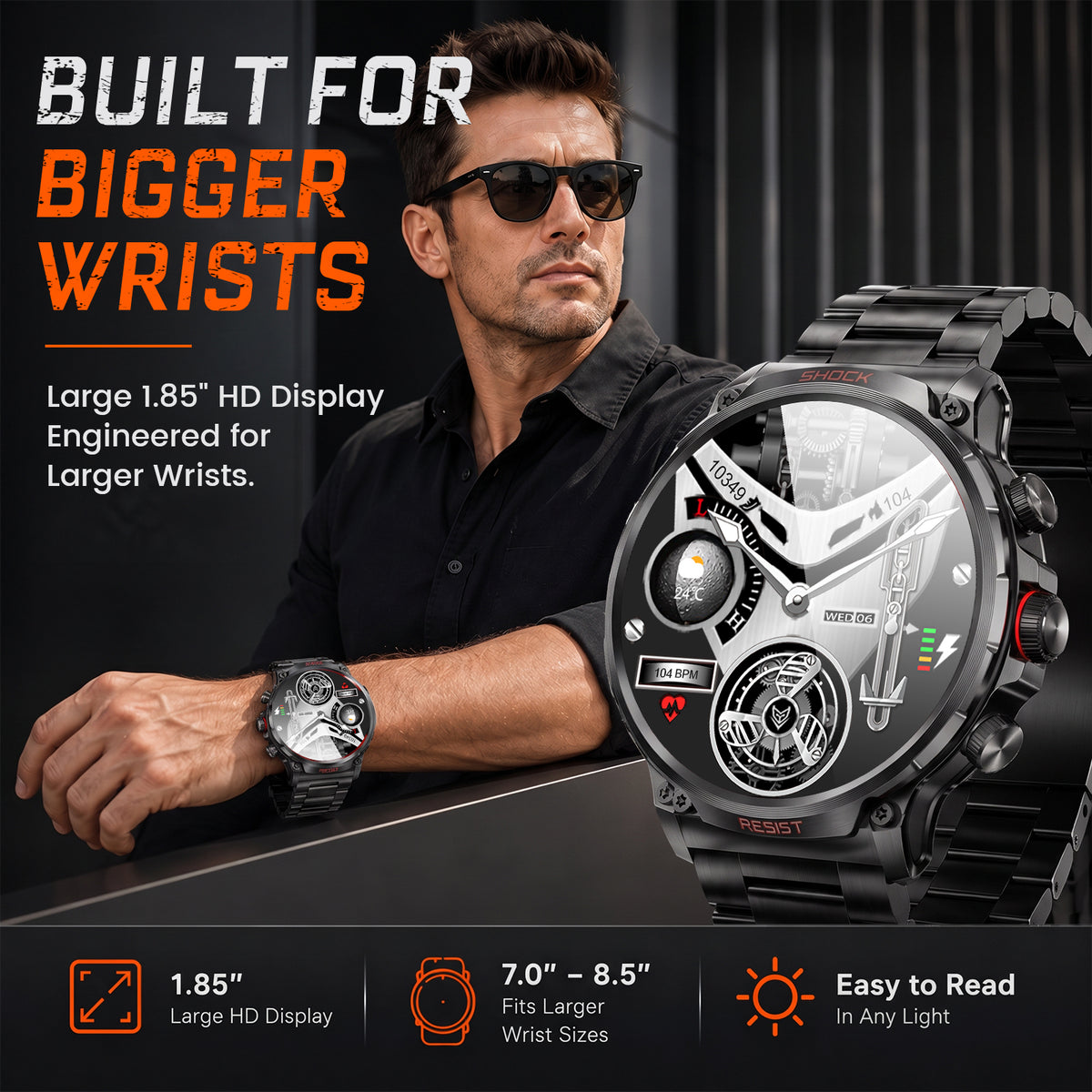
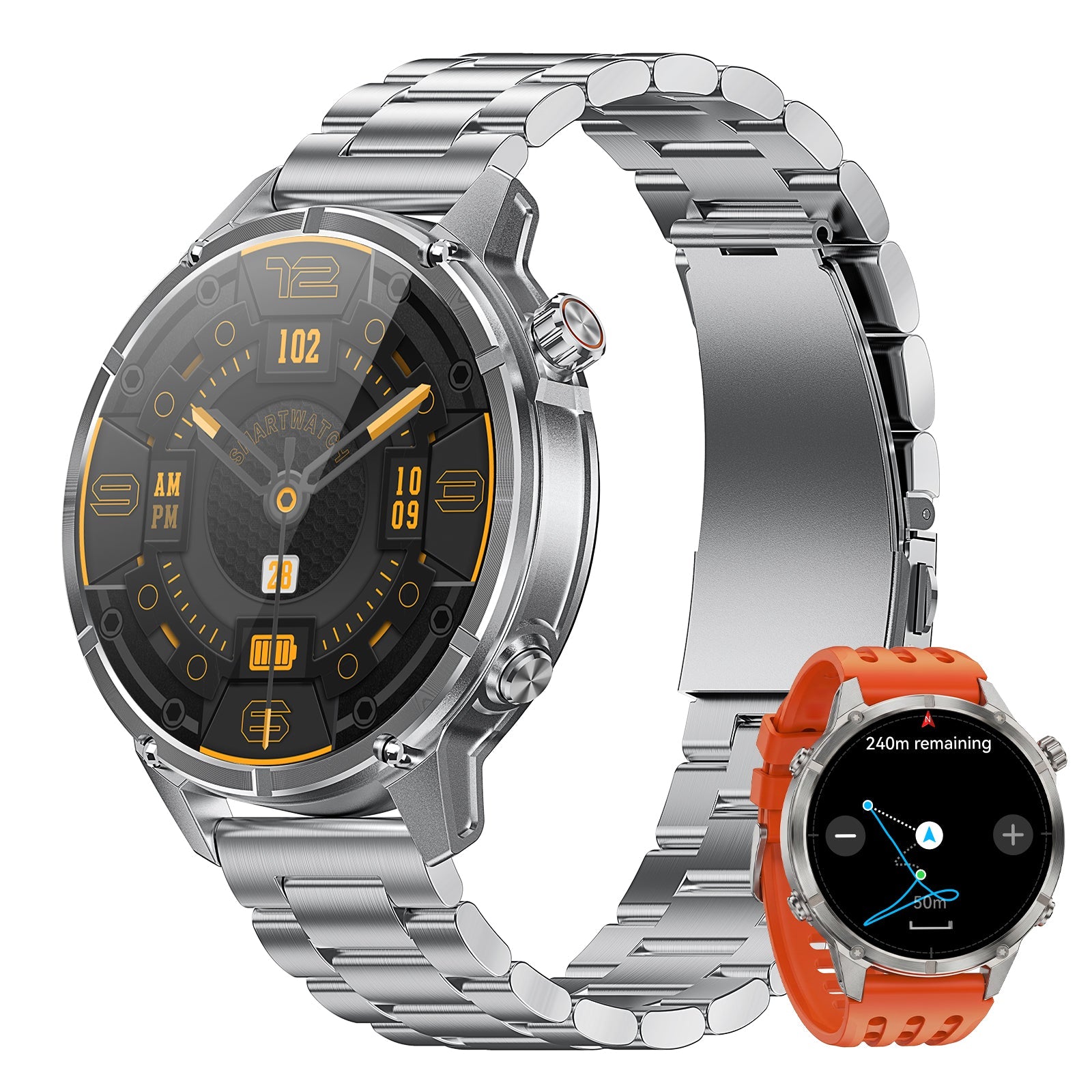
Motion 6 GPS is for anglers who want pressure and altitude information alongside route recording and direction. It also includes a 1.43-inch AMOLED display, four physical buttons and 5 ATM water resistance. Typical battery is rated at 14–15 days, with 20–24 hours of continuous GPS.
The lower price works because it stays at the general outdoor layer. Use a phone for large maps, detailed forecasts, tide tables and trip planning. The watch remains useful all week through health, sleep, notification, call, music and weather features.
Garmin Instinct 3 Solar
Instinct 3 Solar suits anglers who prioritize rugged construction, multi-band GPS, ABC sensors and solar-assisted battery. Its barometer modes and calibration guidance are well documented. It costs more because of its broader outdoor hardware and battery design, not because it can predict fish behavior.
COROS NOMAD
NOMAD adds maps, fishing activities, saved places, tide information near supported sources and catch records. Choose it when the fishing workflow matters as much as pressure context. The extra money pays for software and maps that the general outdoor watches do not provide.
| Model | Best for | Price checked | Pressure / altitude | GPS and maps | Fishing tools | Published battery |
|---|---|---|---|---|---|---|
| Motion 6 GPS | Value and everyday use | $129.90 | Built-in barometer and altimeter | Route recording; no onboard maps | Use phone for tides and logs | 14–15 days typical; 20–24h GPS |
| Instinct 3 Solar | Rugged outdoor use | About $299.99 | Barometric altimeter and calibration options | Multi-band GPS; no full maps on standard model | Broad outdoor profiles | Up to 28 days and 40h GPS on 45 mm before solar assumptions |
| COROS NOMAD | Maps and fishing records | About $349 | Outdoor sensor context | Maps, saved spots and return tools | Fishing modes, tides and notes | 22 days daily; up to 50h GPS |
Evidence note: this comparison uses published specifications. We did not run a controlled pressure-sensor test. Accuracy and calibration behavior can vary by device, environment and use.
How an angler can use Motion 6 GPS
At home, check the official forecast and prepare maps, access details and local rules on the phone. At the water, let the watch settle and note the starting pressure. Start GPS only if you want a route record. During the trip, glance at the trend rather than reacting to every small movement. If you change elevation, mark that in your notes.
Motion 6 GPS combines the compass and route history to help with general orientation. The barometer and altimeter add context. The health and daily smartwatch features make the device useful outside fishing too. That full mix is the reason to choose Motion 6 GPS, not a promise that the barometer will find fish.

Motion 6 GPS
Built-in multi-satellite GPS and route recording, plus compass, barometer, altimeter, health and activity tracking, calling, music controls and notifications.
$129.90$162.38
A simple pressure-and-fishing log
Keep the record short enough that you will use it. A phone note or small notebook is enough. Record the location, time, pressure trend, elevation change, weather, water condition, presentation and result. Add a photo only when it helps you remember the place.
| Field | Example | Why it helps |
|---|---|---|
| Time and place | 7:10 a.m., north cove | Keeps readings tied to one location |
| Pressure trend | Slowly falling for two hours | More useful than one isolated number |
| Elevation change | None after arrival | Separates weather from climbing or driving |
| Water and weather | Light wind, stained water | Adds conditions the barometer cannot measure |
| Fishing result | Two bites near cover | Builds a personal record instead of a universal rule |
Frequently asked questions
What does a barometer watch tell an angler?
It shows air pressure and often a recent trend. Use it as one piece of outdoor context together with weather, water conditions and your own trip history.
What barometric pressure is best for fishing?
There is no universal best number. Trend, species, season, water and local conditions matter more than a single reading.
Why did pressure change when the weather looked the same?
Your elevation may have changed, or the sensor opening may have been covered by clothing, water or debris. Check the context and follow the maker's calibration and care guidance.
Can a watch barometer warn me about storms?
A falling trend can be useful context, but it is not a guaranteed storm warning. Use official forecasts and alerts for safety decisions.
Use the trend, then look at the water
A fishing barometer watch is most useful when it helps you build a clearer record of a place. Motion 6 GPS provides the sensor and basic outdoor tools at a lower price. Instinct 3 Solar adds rugged outdoor design. NOMAD adds maps and fishing records. Whichever tier you choose, use pressure as a clue rather than a prediction.